
The Vanguard of Vision: 5 Sci-Fi Series with Female Leads That Redefined the Genre
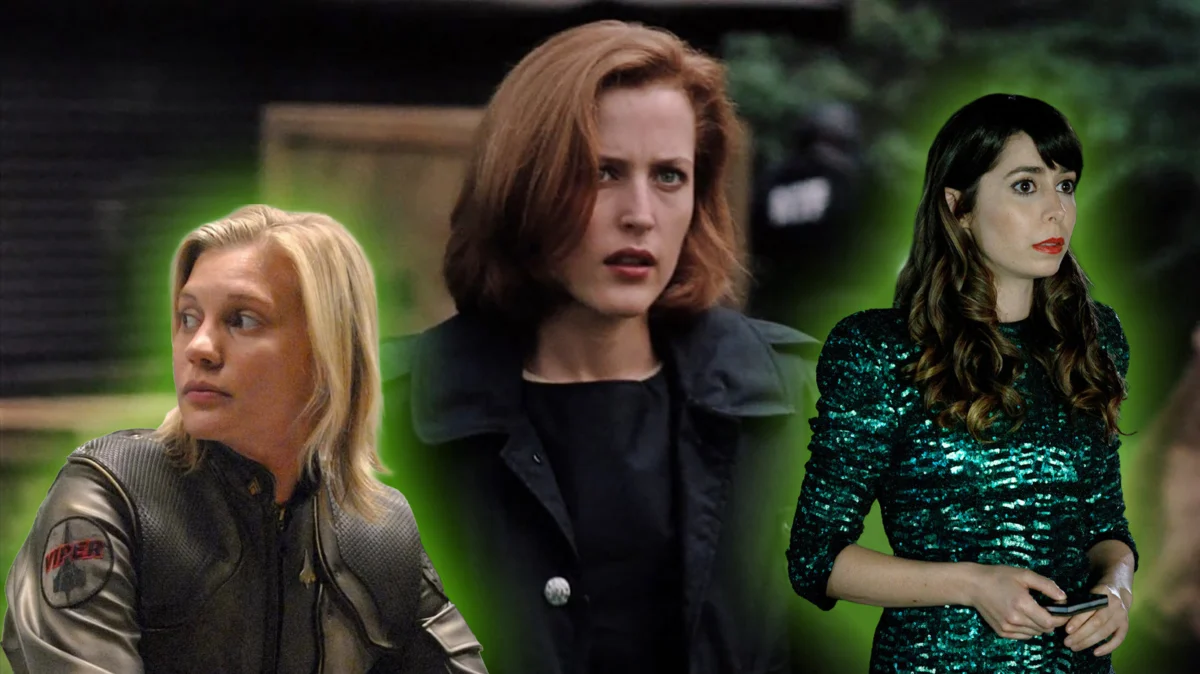
In the current golden age of television, science fiction has transcended its origins as "niche" programming to become the primary vehicle for contemporary social commentary. As our own reality increasingly mirrors the dystopian warnings of the past, audiences have turned toward speculative fiction—not just for escapism, but to process the complexities of modern existence. From the high-stakes political maneuvers of The Expanse to the existential dread of Severance, sci-fi has never been more relevant.
However, the heartbeat of the genre’s most enduring entries has always been its character-driven narratives. By placing fascinating, multi-dimensional female leads at the center of these speculative landscapes, creators have managed to ground the most abstract technological concepts in human emotion. Today, we examine five definitive science-fiction series that utilize female protagonists to push the boundaries of storytelling, proving that the best genre television is defined by its heart, not just its hardware.
1. Battlestar Galactica: The Relentless Pursuit of Survival
The Core Premise
The 2004 reimagining of Battlestar Galactica is widely considered the gold standard for prestige science fiction. Following the near-extinction of the human race at the hands of the cybernetic Cylons, the survivors flee across the stars in a desperate, nomadic search for a mythical home known as Earth.
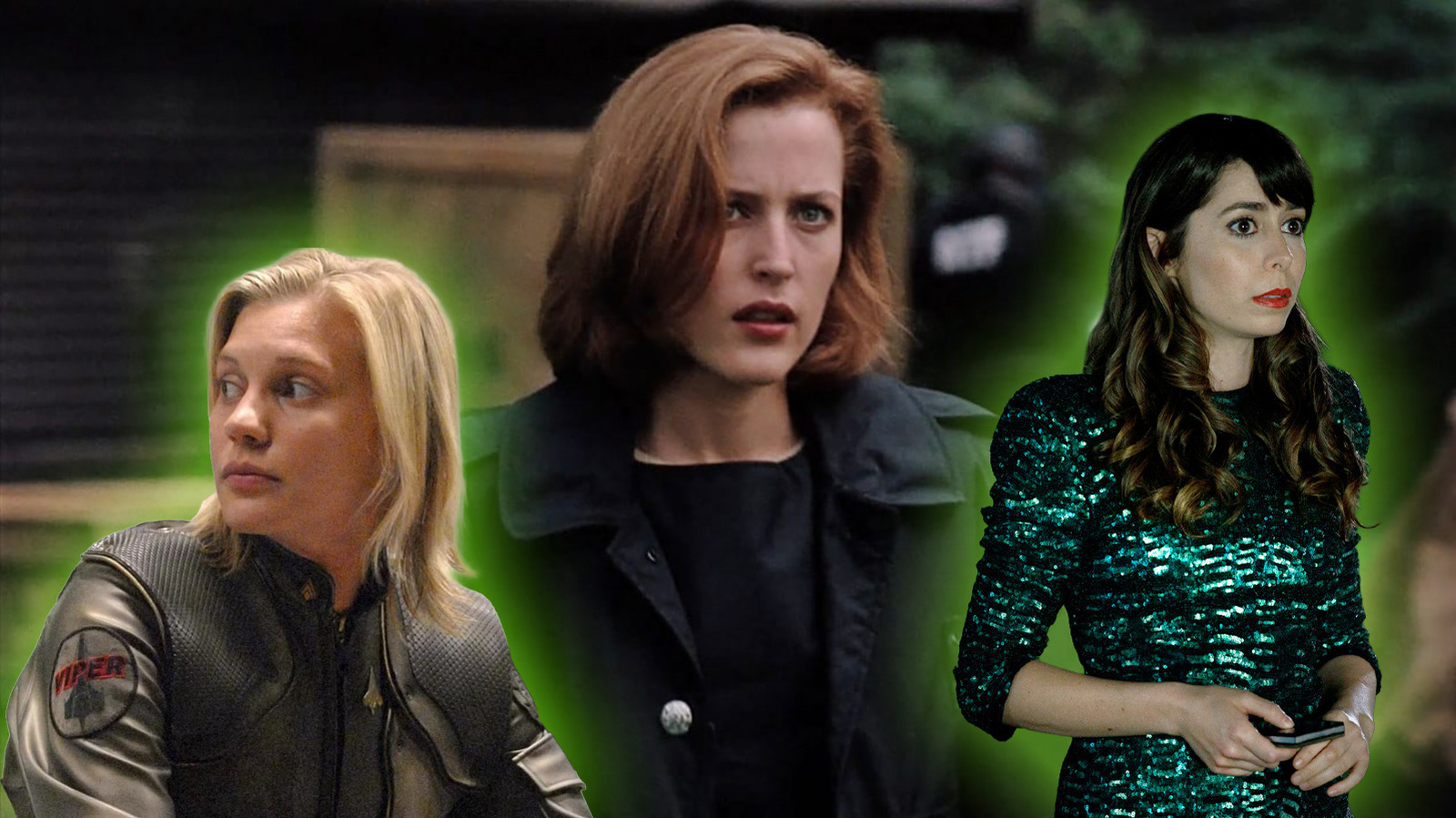
The Protagonist: Kara "Starbuck" Thrace
While the series features a dense ensemble cast, the narrative is anchored by Katee Sackhoff’s portrayal of Lieutenant Kara Thrace, callsign "Starbuck." In a genre traditionally dominated by stoic, masculine archetypes, Starbuck broke the mold. She was volatile, deeply flawed, and arguably the most gifted pilot in the fleet. Her arc—marked by a struggle with her own destiny and a series of haunting, supernatural experiences—transformed her from a hotshot pilot into the spiritual fulcrum of the entire franchise.
Legacy and Impact
Battlestar Galactica successfully merged the space opera scale of Star Trek with the gritty, character-focused realism of HBO dramas like The Sopranos. It remains a masterclass in how to build a 76-episode arc that feels cohesive, challenging, and, above all, hauntingly human.
2. Orphan Black: The Anatomy of Identity
The Premise
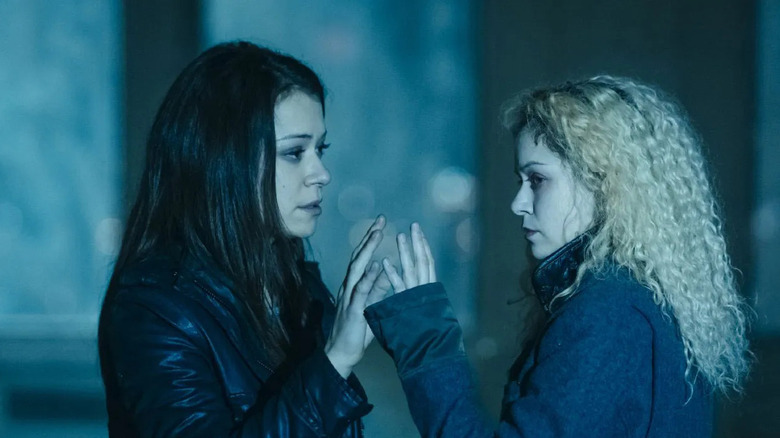
Debuting in 2013, Orphan Black began as a pulpy, high-concept mystery and evolved into one of the most intellectually stimulating examinations of bioethics and bodily autonomy ever aired. The story follows Sarah Manning, a street-smart drifter who discovers she is one of several clones created through the illicit "Project Leda."
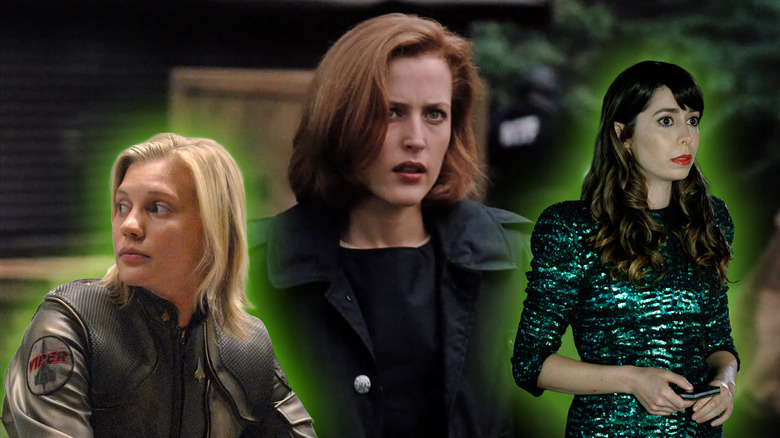
The Performance: A Masterclass by Tatiana Maslany
It is impossible to discuss this series without addressing the sheer technical achievement of Tatiana Maslany. Playing Sarah, Alison, Cosima, Helena, and several other clones simultaneously, Maslany imbued each character with distinct physical mannerisms, accents, and psychological burdens.
Why It Remains Essential
The show’s genius lies in its ability to pivot from a corporate conspiracy thriller to a profound meditation on what makes a person an individual. By exploring themes of genetic ownership and scientific ethics through the eyes of women who never asked to be subjects, Orphan Black elevated the "clone trope" into a gripping, five-season masterpiece.
3. The X-Files: The Rational Skeptic’s Compass
The Scientific Paradigm
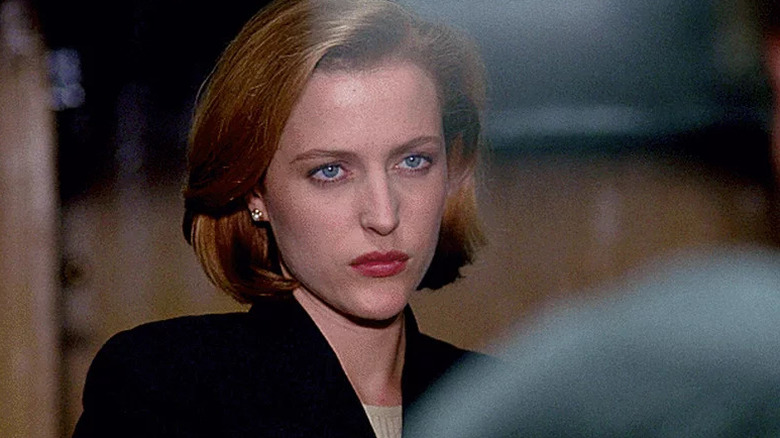
The X-Files fundamentally shifted the television landscape in the 1990s, blending the procedural crime drama with the paranormal. While Fox Mulder (David Duchovny) served as the "believer," it was Dana Scully (Gillian Anderson) who truly anchored the series.
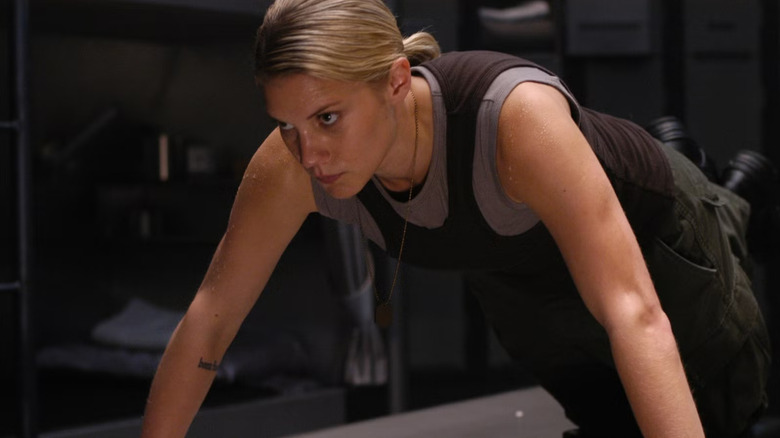
The "Scully Effect"
Scully was a medical doctor and an FBI agent who insisted on empirical evidence in a world of monsters and extraterrestrials. Her presence as a woman in STEM on primetime television had a measurable real-world impact, inspiring a generation of women to pursue careers in science, medicine, and engineering—a phenomenon now sociologically dubbed "The Scully Effect."
The Protagonist’s Evolution
As the series progressed, Scully’s transition from a rigid skeptic to a woman who has witnessed the impossible served as the audience’s own journey. She proved that one could hold onto their rational principles while remaining open to the wonders (and terrors) of the unknown.
4. Æon Flux: The Avant-Garde Dystopia
Historical Context
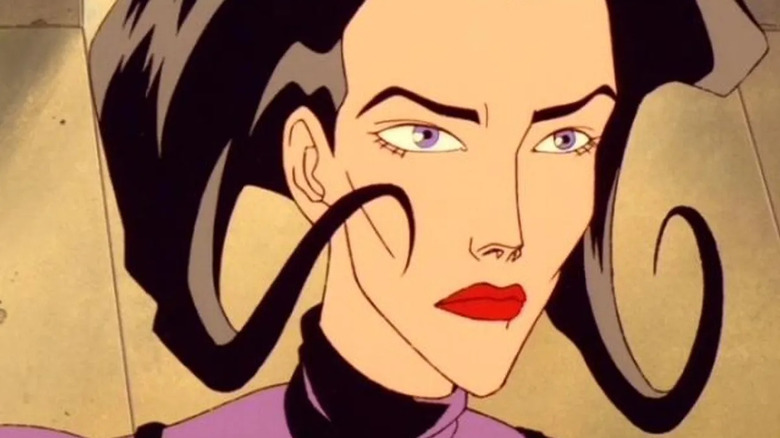
Before the explosion of adult-oriented animation in the 21st century, there was MTV’s Liquid Television. Among its most avant-garde contributions was Peter Chung’s Æon Flux. Originally airing as a series of wordless, surrealist shorts before expanding into a narrative-driven series, it defied every convention of Western animation.
The Anti-Heroine
Set in a bizarre, German Expressionist future, the series pits Æon Flux—an anarchist spy—against her polar opposite and occasional lover, Trevor Goodchild, the technocratic ruler of the neighboring city-state. The series is defined by its visual ingenuity and its willingness to kill off its lead character with shocking regularity, challenging the viewer’s traditional attachment to the "hero."
The Legacy of Innovation
Though the 2005 live-action adaptation failed to capture the singular spirit of the original, the animated series remains a cornerstone of dystopian art. It was a bold experiment in visual storytelling that treated the audience as intellectuals, refusing to explain its complex, shifting reality.
5. Made For Love: The Darkly Comic Digital Cage
The Premise
The most contemporary entry on this list, Made For Love, is a scathing critique of modern technology and the patriarchal surveillance state. Hazel Green (Cristin Milioti) escapes her marriage to a tech billionaire who has implanted a tracking chip in her brain—a device that monitors her location, her visuals, and her physiological emotional data.
Why It Deserves Reappraisal
Made For Love is a rare example of a series that successfully combines sharp, dark comedy with high-concept science fiction. Cristin Milioti’s performance as a woman reclaiming her autonomy from a man who views her as a proprietary asset is as terrifying as it is cathartic.
The Industry Tragedy
Despite receiving critical acclaim, the series was unceremoniously canceled after two seasons and subsequently purged from its original streaming home for tax write-off purposes. The fact that Made For Love is currently unavailable to stream legally in the United States is a significant blow to the preservation of modern television. It remains a "lost" masterpiece, waiting for a platform to recognize its value and return it to the cultural conversation.
Implications: The Future of the Female Lead in Sci-Fi
The trajectory of these five series reveals a clear evolution: from the survivalist grit of Battlestar Galactica to the corporate-bioethical inquiries of Orphan Black, and finally to the digital-privacy anxieties of Made For Love. These shows do not simply feature women; they utilize the specific cultural and social experiences of their female protagonists to interrogate the systems they live in.
Chronology of Influence
- 1990s: The X-Files proved that a female lead could anchor a massive, multi-season procedural while providing a template for women in professional, scientific roles.
- Early 1990s (Experimental): Æon Flux shattered the "hero" archetype, proving that science fiction could be abstract, surreal, and fatalistic.
- 2000s: Battlestar Galactica redefined the scope of space opera, proving that female characters could carry the weight of an entire species’ survival.
- 2010s: Orphan Black showcased the technical limits of performance, using the clone narrative to discuss identity politics in a high-stakes, conspiratorial format.
- 2020s: Made For Love highlights the current era of "Techno-Dystopia," where the enemy is not a Cylon or an alien, but a partner and an algorithm.
Conclusion
As we look to the future of the genre, the blueprint is clear. Audiences are no longer satisfied with passive observers. We demand protagonists who struggle, evolve, and redefine the worlds they inhabit. Whether through the lens of a pilot, a clone, a scientist, a spy, or a wife on the run, these five series remind us that science fiction is at its best when it uses the "what if" of the future to explore the "who am I" of the present. It is time for studios to not only champion these stories but to ensure they remain accessible for future generations to study and enjoy.
