
Behind the Lens: The Growing Crisis of Labor in the Film and Television Industry
As the digital age continues to reshape the landscape of entertainment, the appetite for high-quality, on-demand video content has reached an unprecedented zenith. Yet, behind the polished pixels and the cinematic spectacle lies a stark, unsettling reality: the very people responsible for building the libraries of media giants are operating under conditions that are increasingly archaic, hazardous, and unsustainable.
For the International Alliance of Theatrical Stage Employees (IATSE)—the labor union representing the vast majority of film and television crew members—the current climate is one of deep-seated friction. Negotiations with the Alliance of Motion Picture and Television Producers (AMPTP) have stalled, revealing a widening chasm between the record-breaking profits of major studios and the quality-of-life standards of the individuals working on the front lines of production.
The Chronology of Discontent: A Breaking Point
The tension currently gripping Hollywood is not a sudden eruption but the culmination of years of systemic degradation. The existing labor agreement, which serves as the bedrock for industry safety and compensation, has been the subject of protracted and often contentious discussions.
Following an extension of the current contract to September 10th, the industry found itself in a state of purgatory. Despite the looming deadline, progress remained stagnant. The core of the dispute lies in the industry’s shift toward "the status quo" as a default setting, while unions argue that the technological and economic shifts of the last decade have rendered that status quo obsolete.
The history of these labor struggles is marked by a transition from traditional filmmaking to the rapid, content-heavy cycle of the streaming era. As companies like Apple, Amazon, and Netflix have flooded the market with capital, the pressure to produce more content, faster, has shifted the burden directly onto the shoulders of the crew.

Supporting Data: The High Cost of "The Hustle"
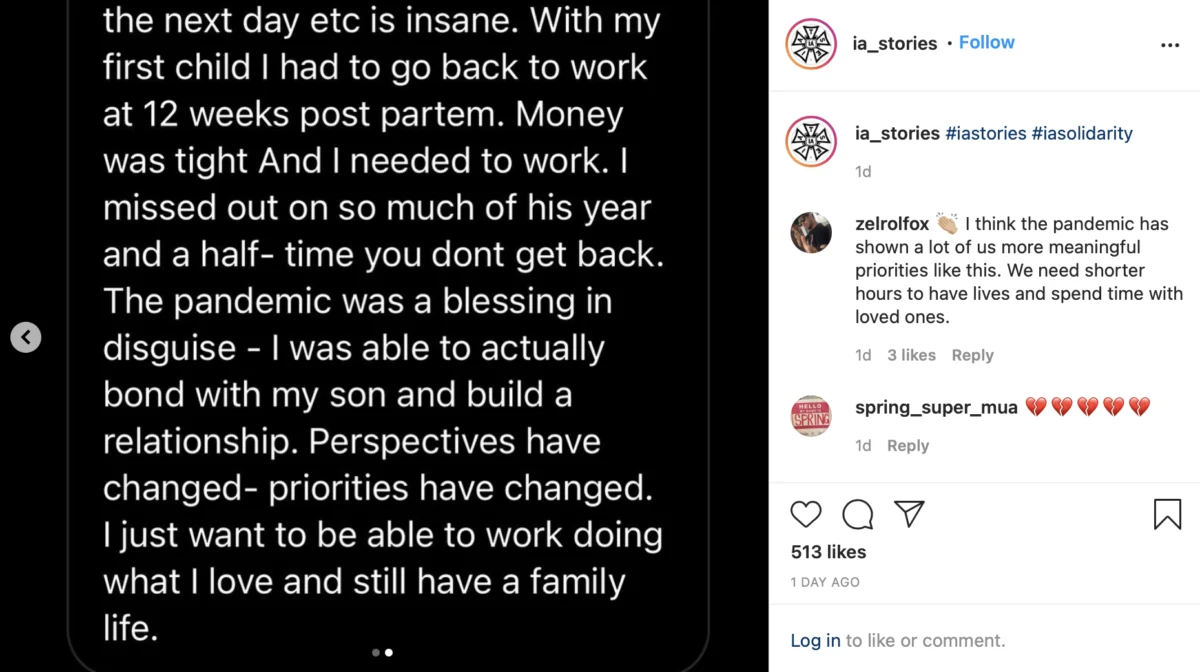
The statistics and anecdotal evidence gathered by grassroots movements—such as the widely recognized Instagram account @IA_stories—paint a grim picture of life on set. These stories, which range from union productions to low-budget independent films, highlight a consistent pattern: the systematic devaluation of human limits.
The "Line-Item" Mentality
One of the most pervasive issues reported by crew members is the perception of labor as a mere "line-item" on a spreadsheet. In an industry where multimillion-dollar budgets are common, the marginal cost of providing adequate meal breaks or reasonable "turnaround" times (the time between the end of one shift and the start of the next) is statistically negligible.
However, current financial incentives are structured in a way that makes abuse cheaper than compliance. When it is more cost-effective to pay meal penalties than to pause for a lunch break, or when forced turnarounds are treated as an operational necessity rather than a safety violation, the system incentivizes exhaustion.
Health and Safety Implications
The human cost of these policies is tangible:
- Sleep Deprivation: Crew members report 14-hour days as the standard rather than the exception. This has led to dangerous conditions, including reports of crew members falling asleep at the wheel while driving home after a shift, a direct consequence of inadequate rest periods.
- Health and Wellness: With schedules that often span six days a week and 12-plus hours a day, basic self-care becomes a luxury. Many workers report skipping necessary medical appointments, experiencing the erosion of family relationships, and suffering from acute burnout—often by the time they reach their 30s.
- The Safety Gap: During the pandemic, the disparity became even more pronounced. While crew members adhered strictly to safety protocols, masking, and undergoing constant testing, they often observed those in "above-the-line" positions failing to uphold the same standards, creating an atmosphere of resentment and perceived hypocrisy.
Official Responses and the Corporate Stance
The AMPTP has historically maintained that the existing agreements provide the necessary flexibility to navigate the unique requirements of film production. From their perspective, the unpredictability of location shooting and the creative nature of the industry necessitate a certain degree of latitude regarding working hours.

Conversely, IATSE leadership and the rank-and-file membership argue that "flexibility" has been weaponized as a tool for exploitation. The union’s push for a new agreement includes clear mandates for:
- Reasonable Rest Periods: Implementing stricter turnarounds to ensure safety on the road and on set.
- Living Wages: Addressing the fact that many crew members are forced to work excessive overtime simply to cover basic living expenses like rent and childcare.
- Mandatory Meal Breaks: Removing the "pay-to-skip" incentive structure that allows productions to ignore the physical needs of the workforce.
The Shift in Power: From Collaboration to Adversarial Dynamics
The relationship between production management and the crew has become increasingly adversarial. Where there was once a sense of shared purpose in "making the magic happen," there is now a feeling of transactional coldness.
A recurring theme in recent testimonies is the experience of being treated as an expendable resource. Production supervisors, often under immense pressure from studio executives to cut costs and meet deadlines, frequently resort to "haggling" over rates. This creates a cycle where experienced professionals are pressured to accept lower pay, under the guise that they should be "grateful for the work" in a high-demand industry.
When a trillion-dollar company like Amazon or Apple attempts to negotiate a rate down by a few hundred dollars—a drop in the bucket for their massive revenue streams—it signals a cultural disregard for the labor that powers their success.
Implications: A Sustainable Future or an Industry Exodus?
The implications of this labor standoff are significant. If the film and television industry refuses to modernize its approach to labor, it faces the real threat of a talent drain. The "burnout culture" is driving seasoned professionals—the very people who possess the technical skills and institutional knowledge required for high-end production—to abandon the industry in search of jobs that offer basic dignity.

The Path Forward
The path forward, as argued by union advocates and labor experts, requires a complete re-evaluation of how production is scheduled. The argument is that the long hours are rarely a result of creative necessity, but rather of poor planning and organizational inefficiency. By shifting to a model that respects a 40-hour work week or, at the very least, limits the extreme, consecutive long-day cycles, the industry could become more sustainable without sacrificing the quality of the content.
Collective action remains the most potent tool for change. The solidarity being demonstrated by the @IA_stories movement and the vocal demands from Local 600 and other IATSE unions indicate that the workforce is no longer willing to accept the status quo.
Conclusion: A Call for Human-Centric Production
Labor Day serves as a poignant reminder of the dignity of work. As the industry looks toward a future defined by streaming and rapid content creation, it must also define itself by how it treats its workforce. The current model—one of exhaustion, broken relationships, and safety risks—is clearly failing.
The industry stands at a crossroads. It can continue to operate with an antiquated, extractive model that treats its crew as disposable cogs in a machine, or it can evolve. It can choose to value its people as much as its profits, ensuring that the next generation of filmmakers can pursue their passion without sacrificing their health, their families, or their lives.
It is time for the producers to recognize that a sustainable, thriving industry is not built on the backs of an exhausted crew, but on the foundation of a healthy, respected, and fairly compensated workforce. The "magic" on the screen is not worth the misery behind it.
