Crafting the Myth: Inside Christopher Nolan’s Groundbreaking Approach to Visualizing The Odyssey
By TREVOR HOGG
Main Facts: Bringing Antiquity to the Silver Screen
When acclaimed auteur ChristopherNolan set his sights on Homer’s foundational epic poem, The Odyssey, industry watchers recognized a natural evolution of his career. Having previously explored complex themes of cloning in The Prestige, engineered a folding dreamscape of Paris in Inception, and deconstructed the psyche of a billionaire vigilante across a definitive Batman trilogy, the prospect of Nolan tackling a world populated by one-eyed monsters, six-headed horrors, and divine interventions felt less like a departure and more like an inevitability.
The project itself found its spiritual genesis in a missed opportunity from decades prior: Nolan’s unrealized bid to direct Troy. That experience planted the seeds for his eventual adaptation of The Odyssey, a narrative that leans heavily into a recurring thematic anchor across his filmography—the profound, driving importance of family. Following the conclusion of the Trojan War, protagonist Odysseus spends ten grueling years attempting to navigate a treacherous path home to his wife, Penelope, and son, Telemachus. Along the way, he endures a gauntlet of mythological perils, monstrous adversaries, and divine wrath.
Rather than approaching the material as a traditional historical drama, Nolan and his key creative collaborators chose a radical aesthetic framework. Working alongside Visual Effects Supervisor Andrew Jackson and Special Effects Supervisor Scott Fisher, Nolan treated Bronze Age mythology with the world-building discipline of a modern science-fiction film. Because historical and archaeological data from the Bronze Age remains sparse, the production team faced the formidable task of building an entire universe from scratch, blending tactile practical effects with seamless, cutting-edge computer-generated imagery.
Chronology: From Concept to Realization
The making of The Odyssey was an immense, cross-continental undertaking that pushed physical production and digital pipelines to their absolute limits.
Pre-Production and Design
The conceptual phase required a unified vision across every department. Production Designer Ruth De Jong worked in lockstep with Nolan to liberate the production from strict, conventional interpretations of the Mediterranean geography. By utilizing locations across Morocco, Greece, Italy, Iceland, and Scotland, the team created a visually diverse canvas that avoided the visual fatigue of a single-region palette.
Concurrently, the special effects and visual effects departments began the arduous process of designing the film’s iconic mythological threats: the Trojan Horse, the Cyclops, Scylla, and Charybdis. Eschewing the conventional wheeled horse often depicted in classical illustrations, De Jong and Nolan designed a sunken, shiplap Trojan Horse that showcased the advanced woodworking and shipbuilding prowess of ancient sea-faring Greeks.
Principal Photography
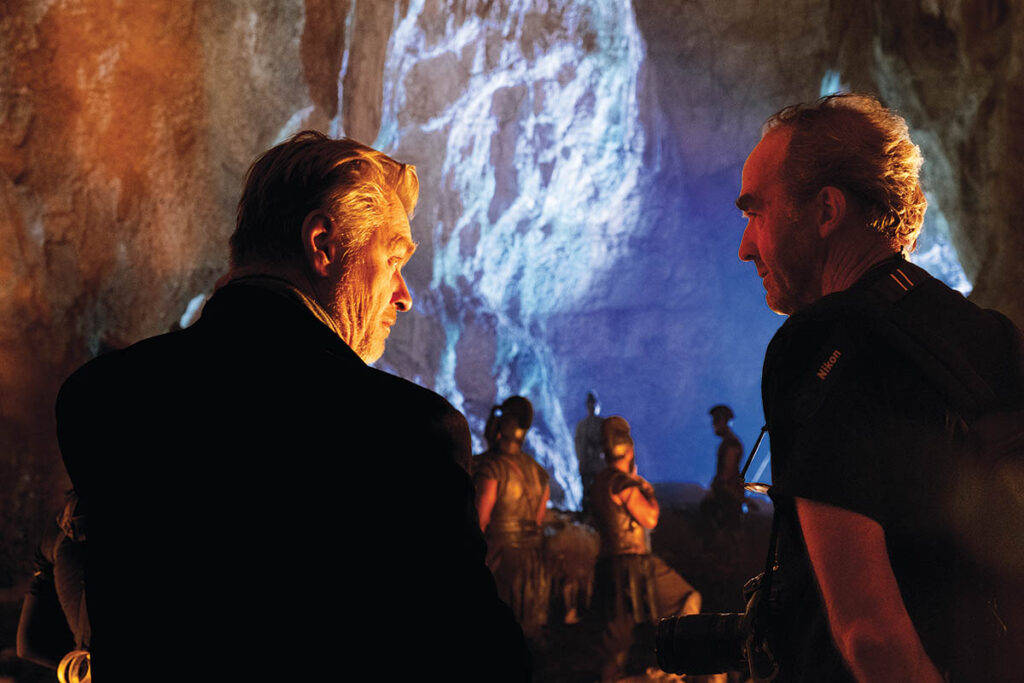
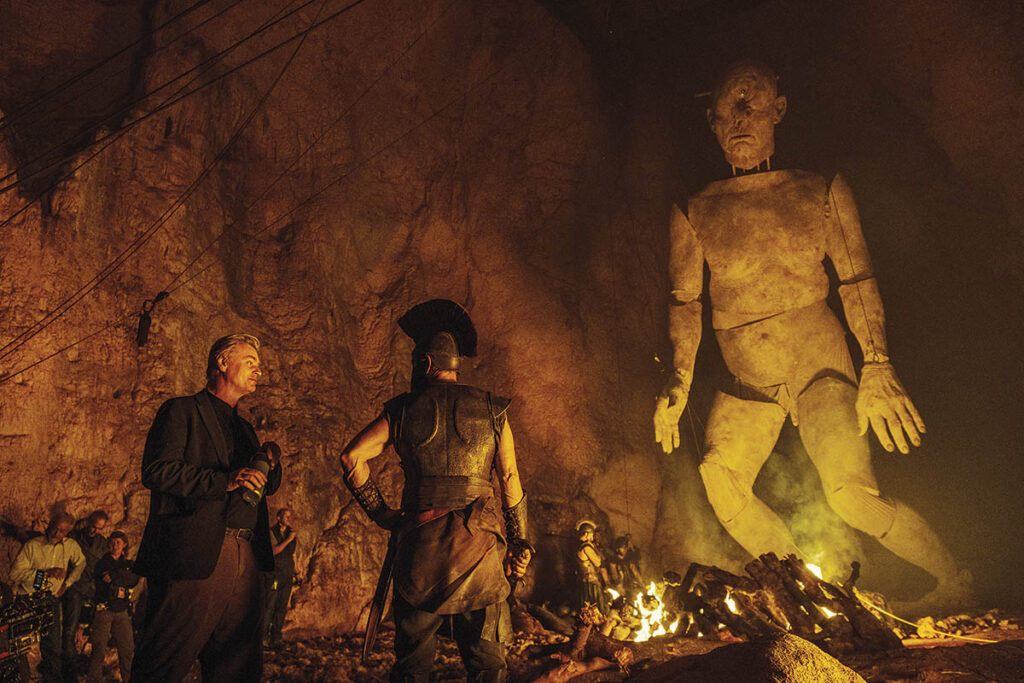
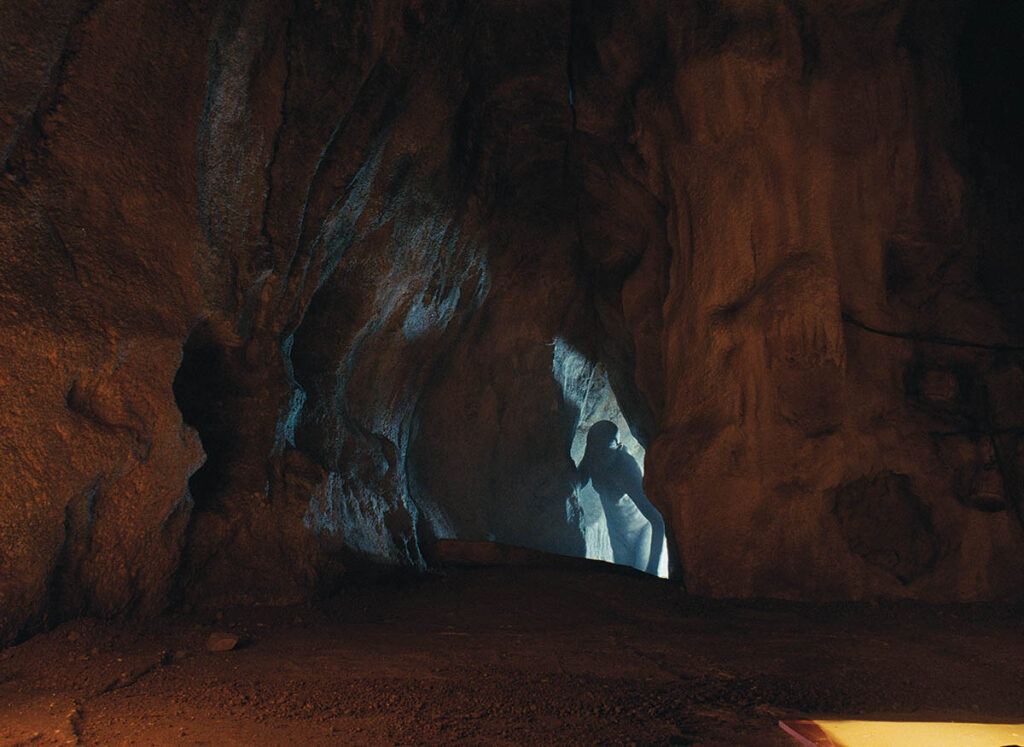
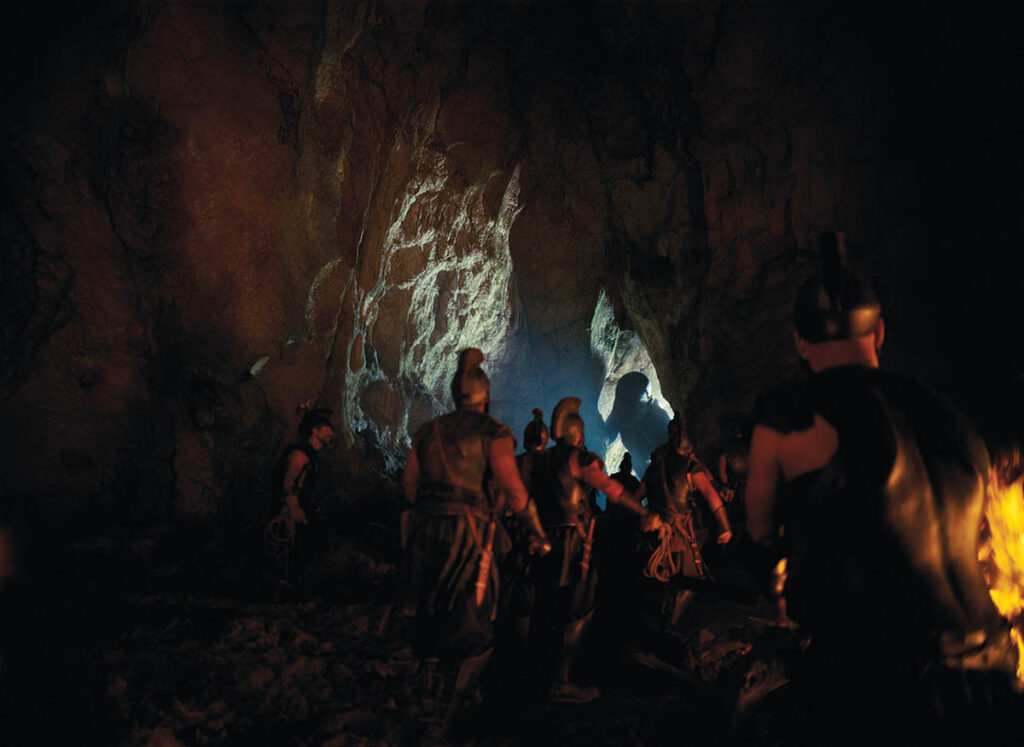
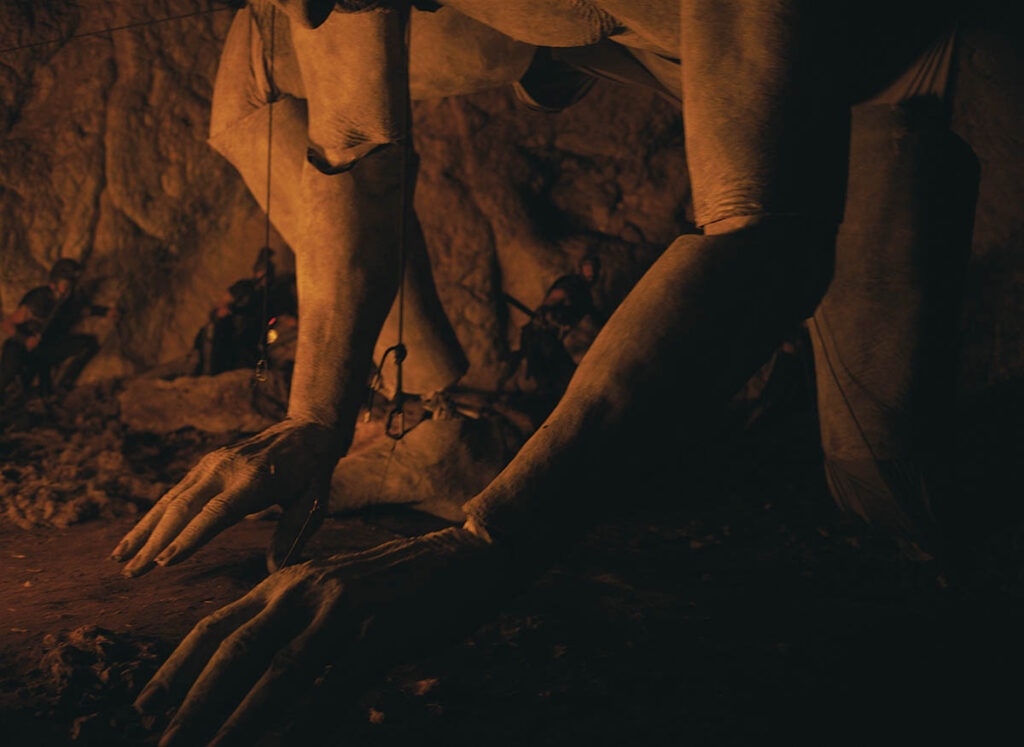
Principal photography spanned multiple countries and extreme weather conditions. One notable logistical pivot occurred during preparations for the Cyclops sequence. Originally scheduled to be filmed on a controlled cave set in Los Angeles at the end of the production schedule, Nolan discovered an authentic cave in Greece during a location scout.
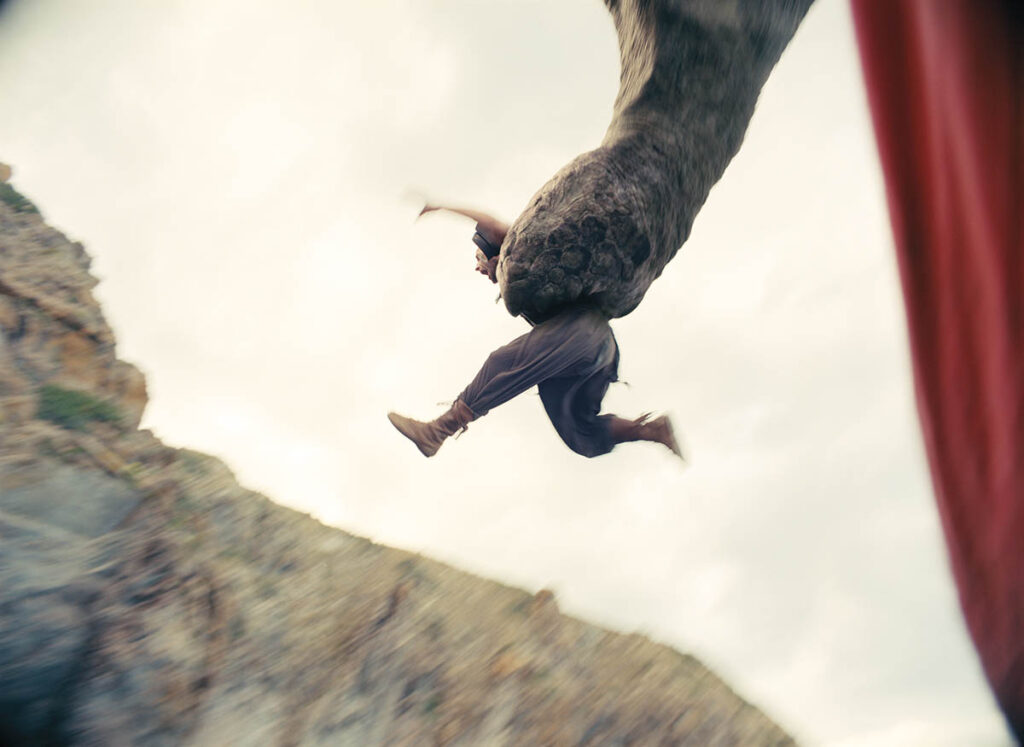
Because Greek shooting dates fell aggressively in February, the timeline to construct a massive, 36-foot-tall puppet for the sequence was slashed from six or seven months down to a mere two months. This compressed schedule forced the team to innovate rapidly, resulting in a lightweight, marionette-style puppet operated by ropes and counterweights rather than a heavy, complex animatronic rig.
Post-Production and Pipeline Integration
With roughly 400 visual effects shots handled primarily by DNEG, post-production required intensive collaboration between Nolan, editor Jennifer Lame, and Andrew Jackson. To facilitate precise cutting during the editing phase, Jackson’s team rushed rough 2D composites for dailies, allowing the editorial suite to edit sequences as if the physical beasts were already fully rendered. This iterative feedback loop ensured that practical plates, stunt choreography, and digital augmentations coalesced into a unified cinematic language.
Supporting Data: Practical Engineering Meets Digital Artistry
The production philosophy behind The Odyssey heavily favored tactile realism, drawing inspiration from legendary practical effects pioneers like Ray Harryhausen, Rick Baker, and Rob Bottin.
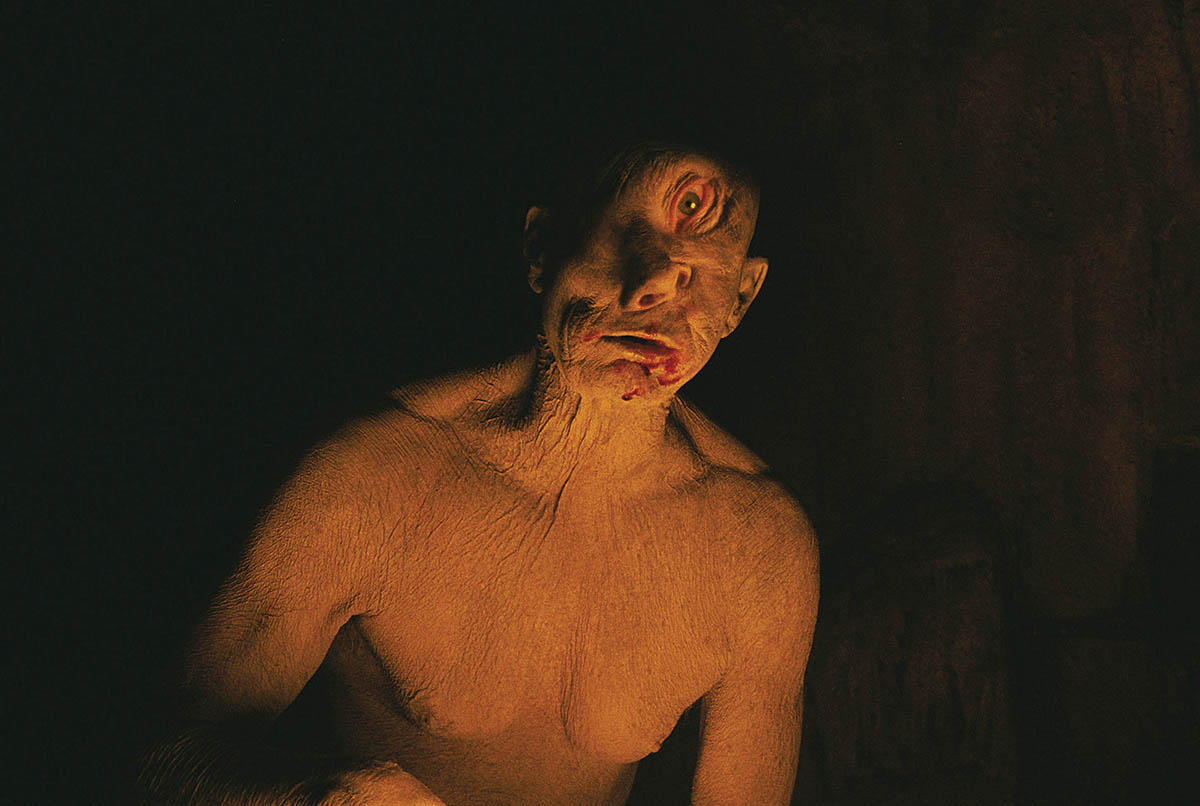
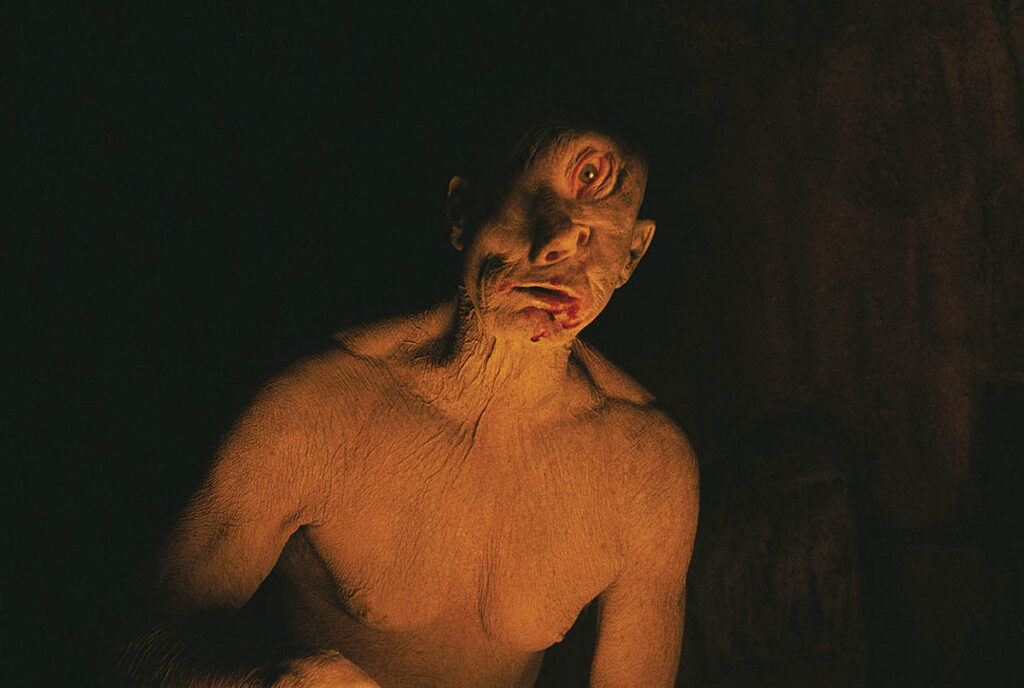
The Cyclops: Built as a 36-foot-tall lightweight figure, the practical puppet utilized French parade-puppet mechanics—relying on ropes, counterweights, and human operators using gravity to create organic, fluid movements. For intricate close-up interactions, actors in sculptural prosthetic makeup were integrated into the scenes, with miniature cave sets built to match the full-scale Greek locations.
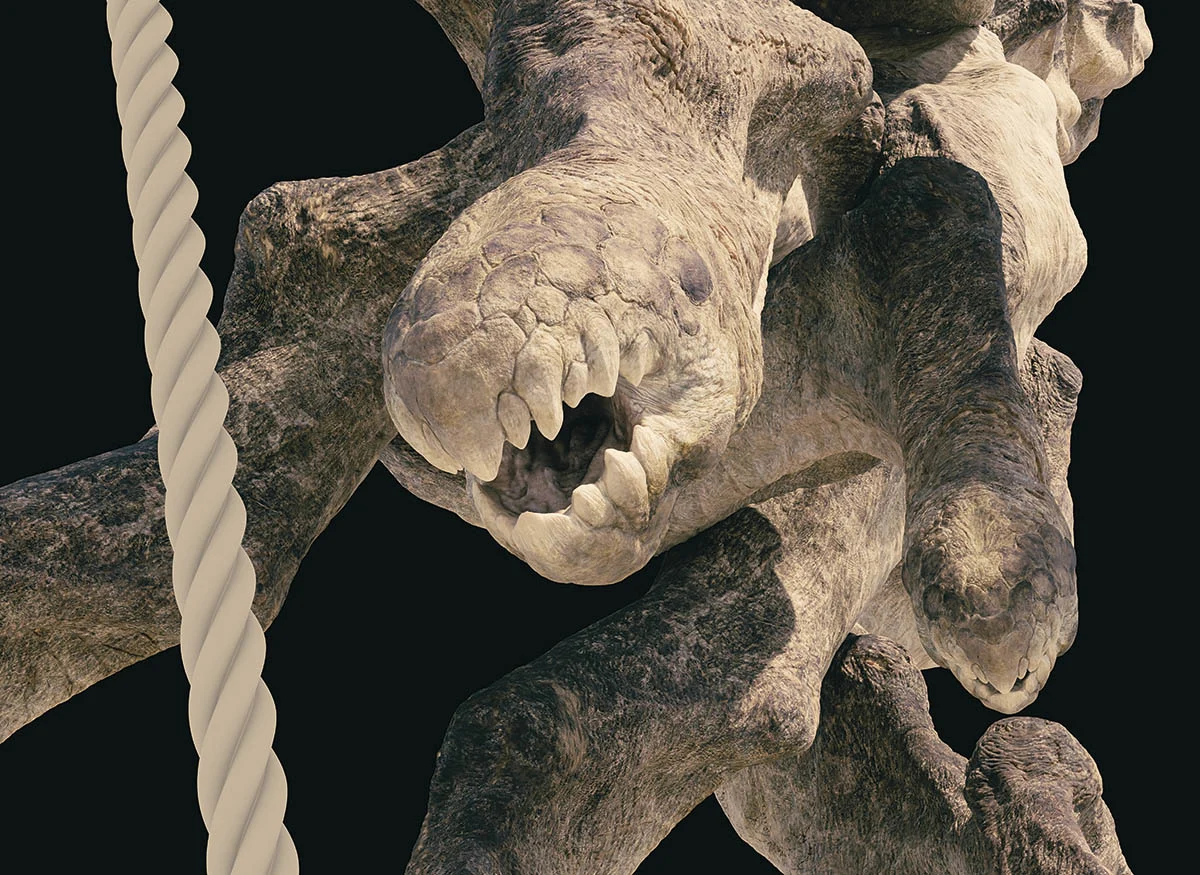
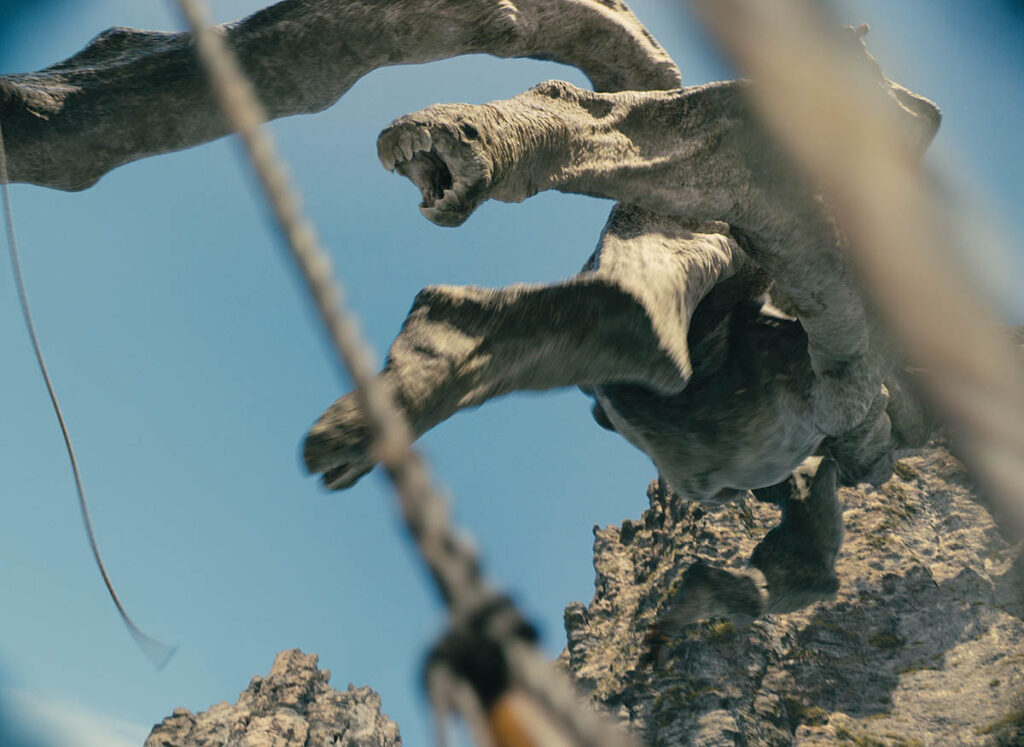
Scylla: The six-headed monster featured a fully realized, physical foam-puppeteered head. Operated by stunt and special effects teams using wire rigs, the practical head could physically interact with actors, shatter breakaway set pieces, and tear through a full-scale ship prop.
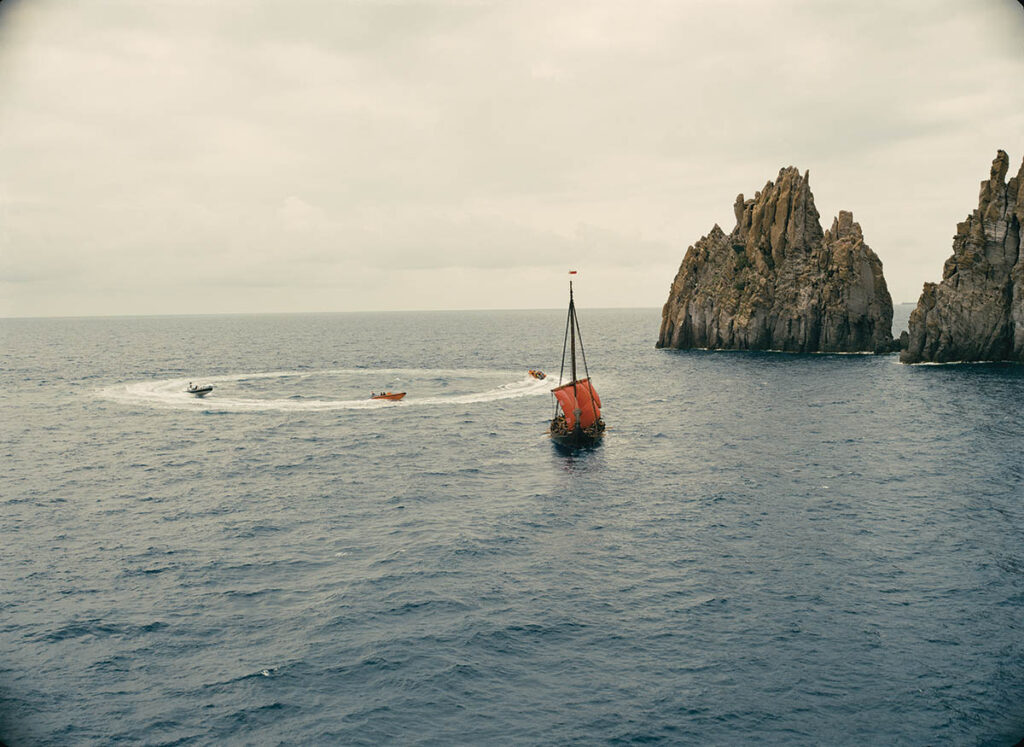
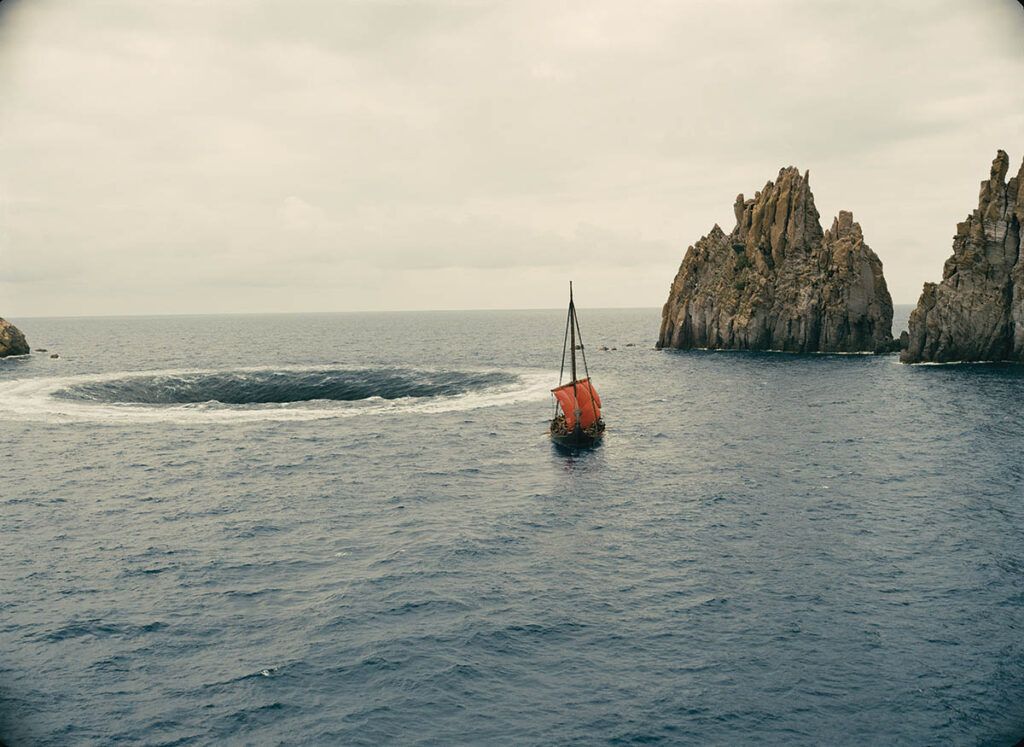
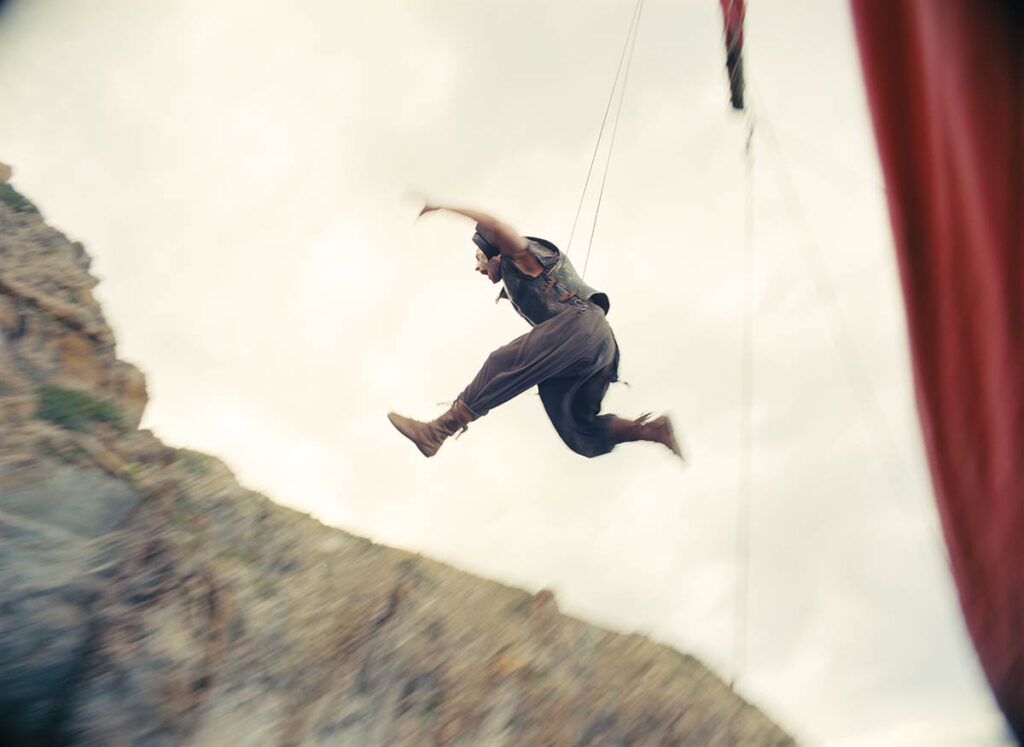
Charybdis and Sea Storms: To simulate the massive oceanic whirlpool, the production utilized custom boat-like thrusters in open-water environments to generate massive surface-water disturbances. Tank work was additionally shot on the six-axis motion base at Falls Lake on the Universal Studios Hollywood lot, supplemented by fireboats to simulate the Wrath of Zeus.
Circe’s Transformation: Eschewing heavy digital crowd simulations, Nolan relied on practical extras and in-camera makeup transformations—achieving half-man, half-pig facial effects on set during principal photography.
Official Responses: Insights from the Creative Team
The creative leadership behind The Odyssey emphasized that computer graphics are merely one tool within a broader spectrum of visual storytelling techniques.
Director Christopher Nolan highlighted the dual genre influences that shaped the film’s tone:
"I’ve always enjoyed science fiction because it’s one of the most cinematic of genres… We treated The Odyssey like a science fiction film. We look at the world-building and the fact that we have to create everything. … I’ve always enjoyed horror and the chance to try use that language in the storytelling. I got to do that with The Odyssey."
Discussing the cinematic representation of divine intervention, Nolan noted a deliberate shift away from literal character depictions:
"When it came to the gods and the idea of the divine, what I found in the poem to be the most interesting approach for me was to look at it from the point of view of the human characters… They are evidence of divinity. That relationship with the gods is part of the world that they live in."
Special Effects Supervisor Scott Fisher detailed the collaborative, hands-on ethos of working with the director:
"Chris doesn’t like throwing everything to a CG solution. It’s always, ‘Let’s see what we can come up with. Where we can get to practically and then we’ll fix or expand or improve it with the CG option.’"
Visual Effects Supervisor Andrew Jackson expanded on this hybrid approach, clarifying common industry misperceptions:
"Too often, where the confusion comes in is people these days conflate CG with visual effects. Computer graphics is just one part of the spectrum of visual effects techniques that we use."
Production Designer Ruth De Jong underscored the narrative freedom granted by Nolan’s script:
"Chris wrote his Odyssey, and that is how we were able to come up with these creative freedoms to free us from any ‘We can’t leave the Med.’ Plus, that look for an entire movie would have gotten boring!"
Implications: A New Benchmark for Mythological Epics
The release of The Odyssey carries significant implications for the contemporary blockbuster landscape. In an era where large-scale cinematic spectacles rely almost exclusively on green-screen environments and fully digital asset generation, Nolan’s production model proves the enduring viability of a hybrid workflow.
By anchoring fantastical elements in tangible, physical realities—ranging from lightweight parading puppets to open-ocean thrusters and practical makeup effects—the production achieves a visceral weight that grounds the audience entirely within the narrative. Furthermore, the film reflects deep thematic continuity within Nolan’s oeuvre. As the director himself observed, the claustrophobic tension of Odysseus trapped in the Cyclops’ cave shares structural DNA with the desperate hull-bound sequences in Dunkirk and the existential isolation explored in Interstellar.
Ultimately, The Odyssey redefines how classical literature can be adapted for modern audiences. By treating ancient mythologies not as dusty historical artifacts, but as living, breathing sci-fi-scale world-building exercises, Nolan, Jackson, Fisher, and De Jong have established a rigorous new standard for cinematic myth-making.