
Reframing the Possible: Celebrating Four Decades of Framestore’s Visual Mastery
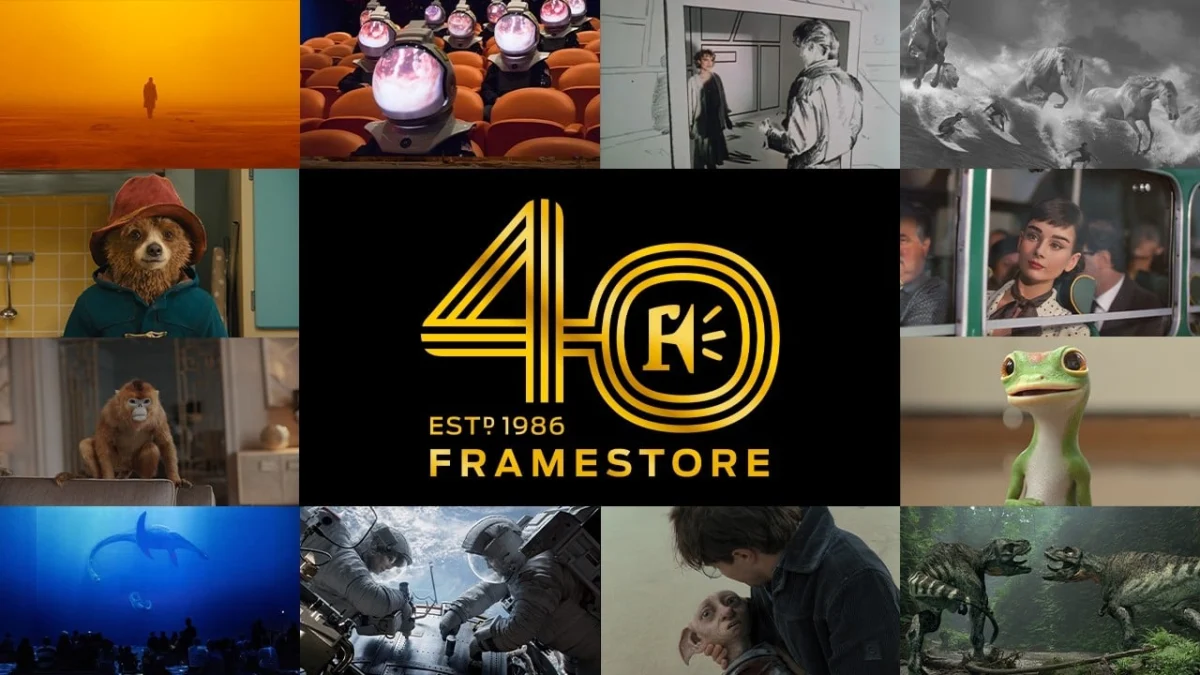
In the high-stakes world of visual effects (VFX), where technological obsolescence is often measured in months rather than years, staying at the cutting edge for four decades is an anomaly. Yet, Framestore, the legendary global studio, has not only survived the rapid evolution of digital artistry—it has consistently defined it. To mark its 40th anniversary, the company has unveiled a commemorative campaign titled 40 Years of Framestore: Reframing the Possible, featuring a retrospective reel that serves as a visual manifesto for their enduring influence on cinema, advertising, and immersive media.
From humble beginnings defined by a pencil and a single song to its current status as a global creative powerhouse, Framestore’s journey is a microcosm of the VFX industry’s own transformation.
A Legacy Built on Innovation: From Hand-Drawn Frames to Global Dominance
The story of Framestore is one of organic, yet relentless, evolution. Founded four decades ago, the company’s origin myth is remarkably grounded: it began with a humble pencil, 3,000 hand-drawn frames, and an ambition that far outstripped its limited resources. Today, those modest tools have been replaced by a sprawling global network of seven studios, housing a dedicated workforce of 3,000 "storytellers" who blend technical rigor with artistic intuition.
Throughout its history, Framestore has functioned as a chameleon, adapting its aesthetic and technical workflow to meet the needs of a changing media landscape. The studio’s portfolio is a "who’s who" of pop culture milestones. They have been the invisible hands behind the wizarding world of Harry Potter, the whimsical charm of the Paddington franchise, and the terrifying, breathtaking expanse of space in Alfonso Cuarón’s Gravity.
Their work extends beyond traditional cinema. Framestore has been instrumental in refining the visual language of the James Bond franchise’s iconic title sequences and, more recently, bringing the high-octane, visceral experience of Formula 1 to the screen in the upcoming Joseph Kosinski project.
Chronology of Craft: Defining Moments in Visual Storytelling
To understand the trajectory of Framestore, one must look at the specific technical and creative milestones that have punctuated their forty-year timeline.

The Early Years: The Analog Foundation
In the 1980s and 90s, the industry was in a state of flux, transitioning from optical effects to digital compositing. Framestore established itself as a pioneer in this space, mastering the art of the "hybrid" production. By leaning into character animation early on, the studio developed a reputation for "heart"—an intangible quality that many CGI-heavy firms struggle to replicate.
The Millennium Shift: Character and Emotion
As digital tools became more sophisticated, Framestore shifted its focus toward photorealistic character animation. This was not merely about texture and lighting; it was about performance. Their work on characters like Rocket Raccoon and his cohort in the Guardians of the Galaxy series, as well as the titular hero of Paddington, demonstrated a sophisticated understanding of acting. As the studio notes, their animators have a penchant for delivering performances that evoke genuine emotional responses from audiences, turning pixels into characters that make viewers cry, cheer, and connect.
The Modern Era: Immersive and Proprietary Breakthroughs
In the last decade, the studio’s output has diversified into real-time technologies. Their work on the GEICO Gecko—a masterclass in real-time animation—showcased their ability to maintain quality under the pressure of live or rapid-turnaround broadcasts. Simultaneously, they moved into the experiential space, designing VR adventures that transport users to Mars or the Moon and developing complex, high-stakes theme park attractions that push the boundaries of spatial storytelling.
Supporting Data: The Anatomy of a Global Powerhouse
Framestore’s impact is best measured not just in awards, but in the scale of its infrastructure and the breadth of its intellectual property.
- Global Footprint: Operating from seven international studios, the company manages a massive pipeline that coordinates thousands of artists across different time zones.
- The Talent Pool: The studio currently employs 3,000 staff members, a testament to the growth from their early days of single-digit team sizes.
- Scientific Recognition: Innovation at Framestore is not limited to art; it is deeply rooted in engineering. In February 2024, the studio was honored with a Scientific and Technical Academy Award for its proprietary layered shading system—a tool that allows for more realistic light interaction on complex surfaces. This award underscores a critical reality of the VFX industry: artistic success is inextricably linked to the creation of bespoke, highly specialized software.
Official Perspectives: Looking Back and Looking Forward
The sentiment surrounding the 40th anniversary is one of gratitude and forward-looking ambition. In their official statement, the studio emphasized that their longevity is the result of "heart, craft, clever thinking, and making the impossible look completely real."
This "reframing the possible" mantra is central to the company’s identity. It speaks to the studio’s core philosophy: that technology should never be the end goal, but rather the vehicle through which a story is told. By prioritizing the narrative integrity of a project—whether it’s a blockbuster film, an advertisement for an insurance company, or a VR headset experience—Framestore has remained relevant in an industry where many of its peers have been absorbed or dissolved.

"Here’s to four decades of heart," the company stated in its anniversary address, "and here’s to the next forty." This forward-facing attitude is particularly notable given the current state of the industry, which is grappling with the rapid integration of Artificial Intelligence and machine learning into the VFX pipeline.
Implications: The Future of the VFX Landscape
As Framestore celebrates its past, it simultaneously prepares for a future that looks vastly different from the one it entered in the early 1980s. The implications of their 40-year tenure are profound for the broader creative industry:
- The Shift to Real-Time: The success of the GEICO Gecko and their theme park work points to an industry-wide trend: the lines between "rendered" cinema and "real-time" interactivity are vanishing. Framestore is clearly positioning itself to be at the forefront of this convergence.
- The Value of Proprietary Tech: The Academy Award win for their shading system highlights the necessity for large studios to innovate at the source code level. In an era where commercial software (like Maya or Houdini) is widely available, the "secret sauce" of the world’s best studios is increasingly found in their internal, proprietary tools.
- Human-Centric Animation: Despite the rise of generative AI, Framestore’s commitment to "character performance with heart" serves as a reminder that the audience’s connection to media is rooted in human emotion. Their history suggests that as long as studios prioritize the performance of a character over the complexity of the model, they will retain their value in the creative ecosystem.
Conclusion
Framestore’s 40th anniversary is more than a corporate milestone; it is a celebration of a specific type of creative resilience. By navigating the transition from the analog age to the age of AI, the studio has maintained a standard of excellence that has defined the visual look of the 21st century.
Whether they are crafting the physics of a space walk in Gravity or the emotional nuance of a bear in a duffel coat, the team at Framestore continues to prove that while tools may change, the fundamental goal remains the same: to tell a story that resonates. As the studio looks toward the next forty years, the industry will undoubtedly be watching to see how they continue to "reframe the possible" in a world where the boundary between reality and digital creation is thinner than ever.
