
The High-Altitude Collision: Amir Bar-Lev’s The Last First: Winter K2 Reexamines the Ethics of Modern Mountaineering
By Ramona Flume
The thin, oxygen-depleted air of the Karakoram range is notorious for its lethality, but the margins for error during the 2020–2021 winter season on K2 were thinner than the ice itself. Director Amir Bar-Lev’s latest documentary, The Last First: Winter K2, which premiered at the 2026 Sundance Film Festival, captures the desperate, death-defying race to summit the world’s second-highest peak during the most inhospitable season on Earth.
More than a mere chronicle of mountaineering, the film serves as a forensic examination of a tragedy fueled by ego, overcommercialization, and the clashing motivations of global climbing teams. By widening the lens beyond the climbers, Bar-Lev transforms a tale of alpine adventure into a sobering commentary on modern socioeconomics and the dangerous intersection of extreme sport and exploitation.
The Forensic Pursuit: A Chronology of a Deadly Season
The winter of 2020–2021 saw an unprecedented convergence of expeditions on K2, a mountain that had remained the last great prize of winter high-altitude mountaineering. As Bar-Lev notes, the atmosphere on the mountain was less about the romantic spirit of discovery and more akin to a "bare-knuckle competition."
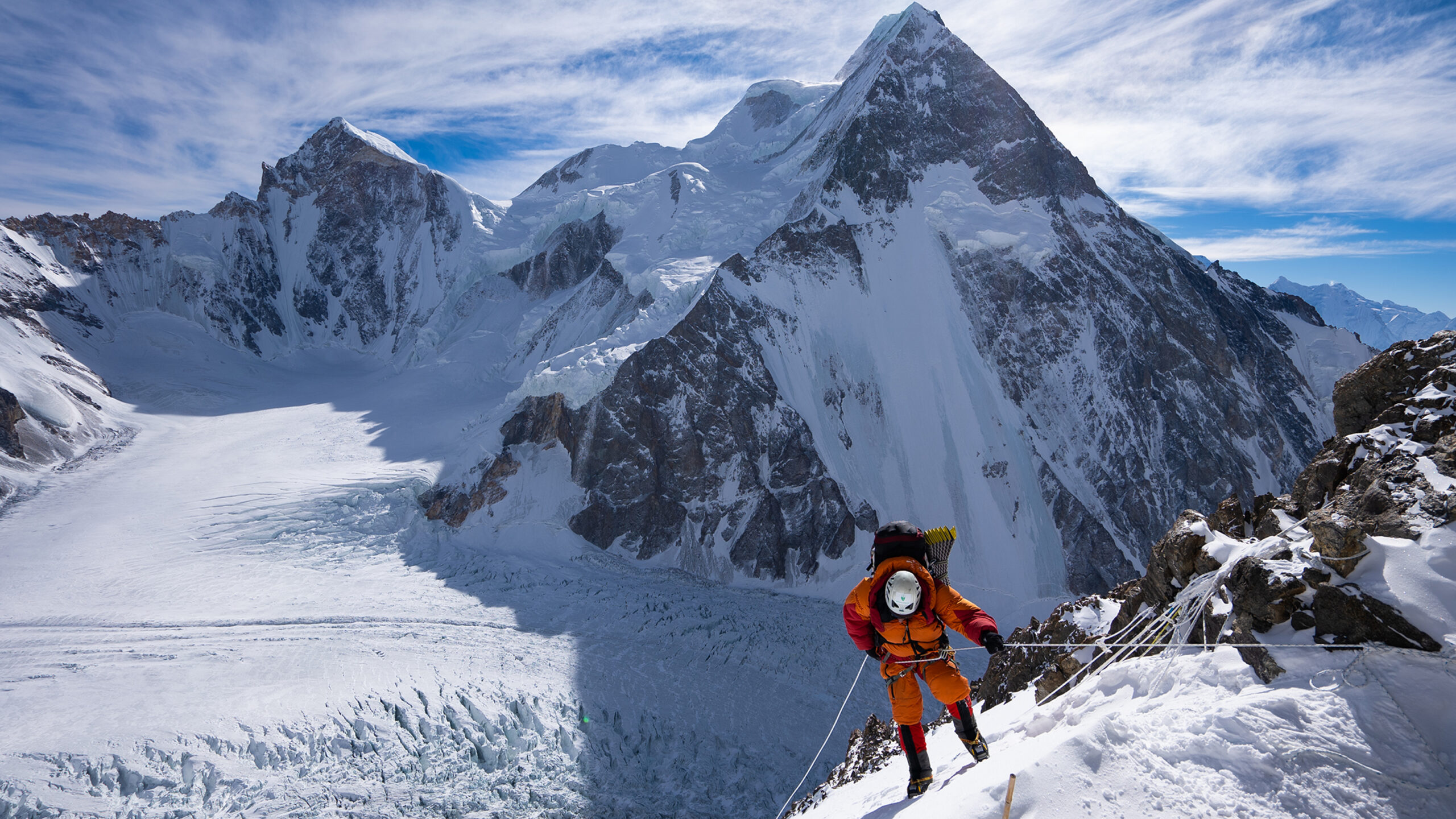
The narrative trajectory of The Last First is structured with the precision of a true-crime procedural. Bar-Lev and his team meticulously tracked the timeline of the season, from the arrival of various teams—divided by nationality, class, and objective—to the eventual, fatal outcomes.
The film highlights the "alpine true crime" elements of the season, including allegations of foul play and sabotage that reportedly emerged among the competing camps. As the expeditions moved up the mountain, the conditions worsened, and the pressure to be the "first" to plant a flag in the middle of winter turned the mountain into a powder keg of resentment. The tragedy that followed, as Bar-Lev suggests, was not merely a result of bad weather or ill-preparedness, but of human collision.
"We spent a good amount of time trying to treat the expedition forensically," Bar-Lev explains. "Looking at each event that occurred and the subsequent outcomes that led to the ultimate tragedy. In the end, it came down to the old Walt Kelly line: ‘We have met the enemy and he is us.’"
Socioeconomic Disparities: Who Pays the Ultimate Price?
One of the most profound contributions of The Last First is its unflinching look at the commercialization of the Himalayas. For many of the wealthy, Western-based climbers, the pursuit of a K2 winter summit is a "sublime experience of risk," a check-box on a list of life achievements. However, for the local guides and support staff, the mountain is a workplace—and often the only one available.
Bar-Lev highlights a harrowing disparity: "The majority of people on the mountain during Winter K2 weren’t there because they were seeking the sublime experience of risk. They were there because work is scarce in the Himalayas, and dangerous mountain work is how people feed their families."
The film forces the audience to confront uncomfortable questions: Who gets to access these aspirational peaks? And who is expected to die to ensure that access remains exclusive? By moving the focus away from the "heroes" of the climb and toward the broader labor structure of the expedition industry, Bar-Lev creates a narrative that is as much about the global class divide as it is about the physics of climbing.
Cinematic Philosophy: The "No Exit" Approach
To capture the suffocating, claustrophobic reality of a high-altitude base camp, Bar-Lev turned to an unlikely source of inspiration: Jean-Paul Sartre’s existential play, No Exit.
"That sense of a gathering of humans in an otherworldly, alien place reminded me a little of No Exit—where the lesson is that we are damned by being thrown into existence with humans of other perspectives," says Bar-Lev.
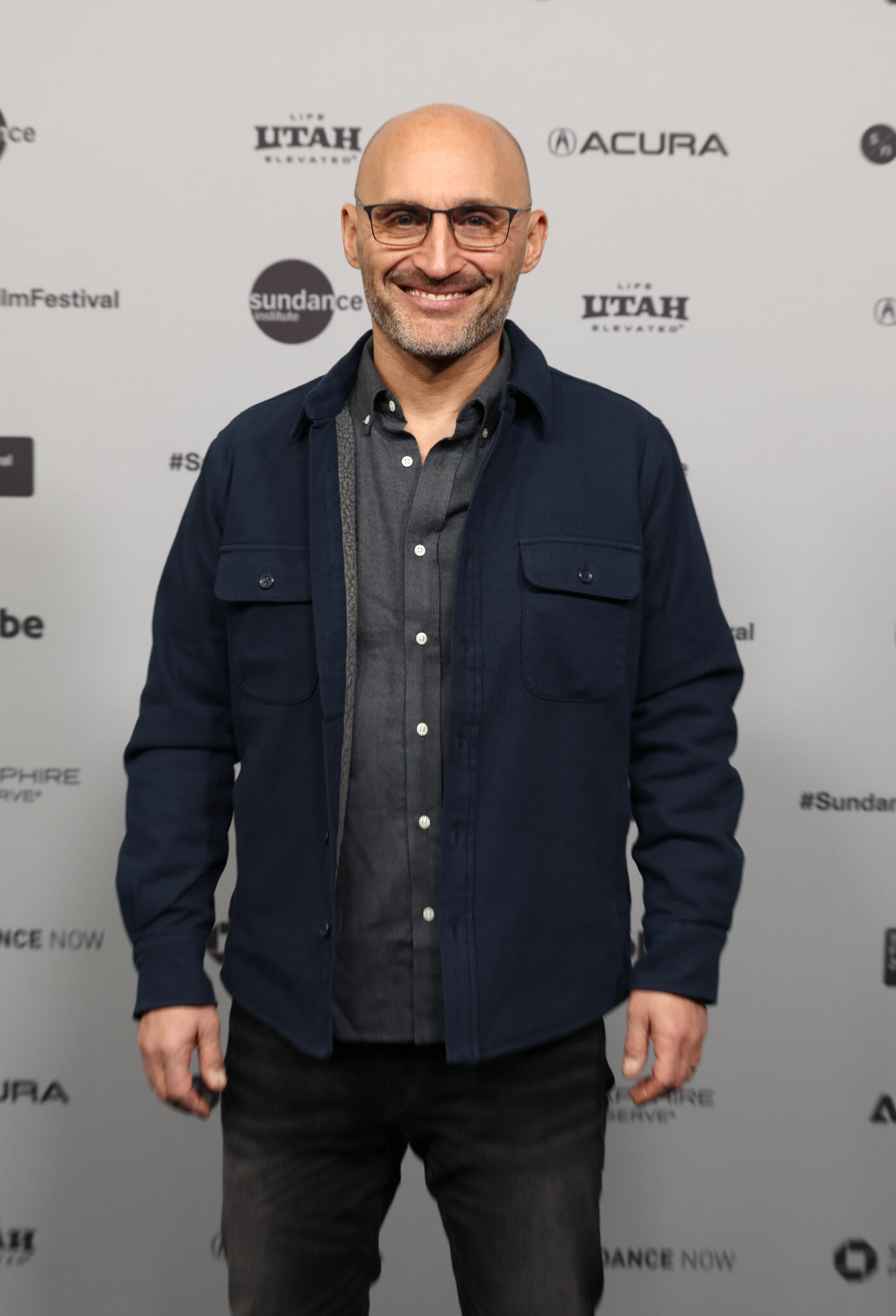
This philosophy guided the film’s narrative structure. Bar-Lev refused to center a single protagonist or provide a clear moral compass. By using a "prismatic approach," he allows the sixty-odd participants in the 2020–2021 season to tell their own versions of the events. The result is a film that demands the audience play judge and jury, deciding for themselves where the blame for the season’s tragedies lies—whether it be in the reckless pursuit of records, the ubiquity of social media cameras on the slopes, or the systemic inequalities inherent in extreme tourism.
Production Challenges: Turning Archives into Verité
Directing a documentary about a place as remote as K2 presented a unique set of logistical hurdles. While many directors would have been tempted to stage reenactments, Bar-Lev chose to lean into the sheer volume of raw, accidental footage captured during the expedition.
"People always ask me if directing this project meant I got to visit the Himalayas," Bar-Lev admits. "The reality is that there were so many cameras on the mountain that we didn’t have to."
However, this abundance of footage came with its own set of complications. Most of the clips were shot on iPhones, intended for social media posts rather than narrative storytelling. Turning this disjointed, low-fidelity material into a cohesive, high-stakes documentary required a massive editorial undertaking. The production team essentially acted as investigators, sifting through hours of fragmented footage to find the "meaningful moments" that revealed the true nature of the tragedy.
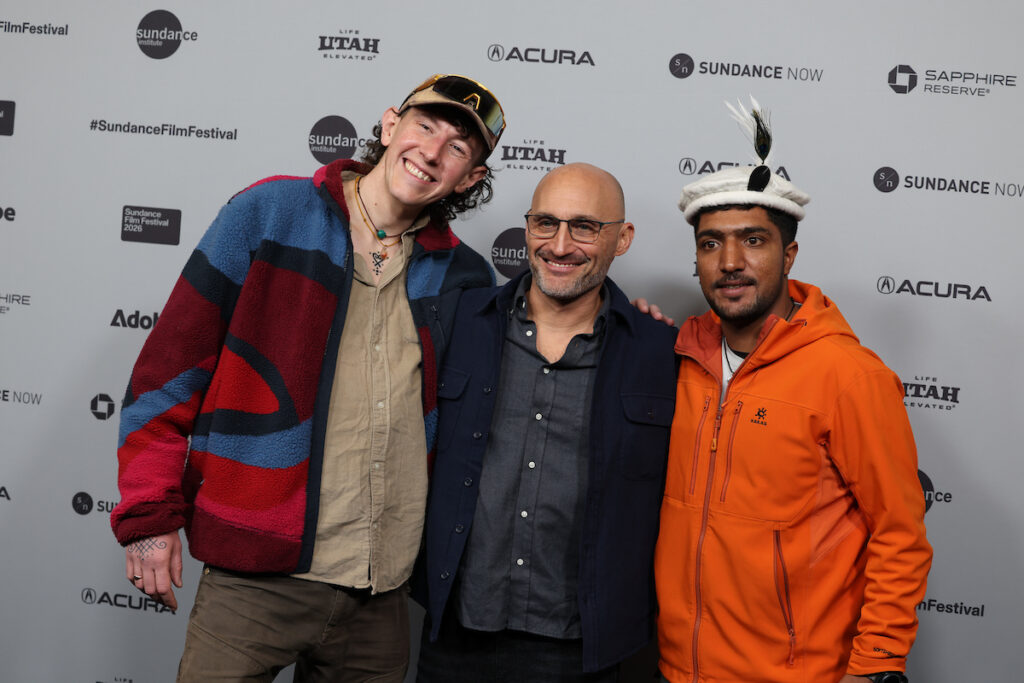
"One giant challenge was not just organizing this material, but, more importantly, finding meaningful moments that were often accidentally and briefly shot along the way," he notes. "We were essentially trying to turn an archival documentary into something that presented more like a vérité film."
The Director’s Vision: A "Religion" of Storytelling
Amir Bar-Lev, who studied comparative religion in college, views his filmography through a theological lens. Whether the subject is the Grateful Dead, football, or the treacherous slopes of K2, he argues that he is consistently exploring the same human impulses: the search for meaning, the structure of belief, and the necessity of myth-making.
"If it’s about mountaineering, I find a way to make it about religion," he says. "I’m a one-trick pony."
This thematic consistency is what makes The Last First so compelling for viewers who may have no interest in mountaineering. Bar-Lev is not interested in creating a "climbing film" for climbers; he is creating an "anti-mountaineering film" for anyone who has ever wrestled with the ethics of ambition.
Implications: A New Era for Adventure Documentaries
As The Last First: Winter K2 begins its theatrical life, it stands as a significant milestone in the evolution of the adventure genre. By shifting the gaze from the physical triumph of the summit to the moral consequences of the pursuit, Bar-Lev challenges the industry to be more self-aware.
The implications for the future of mountain storytelling are clear: the era of the unquestioned "heroic explorer" is over. Audiences are increasingly demanding a more nuanced understanding of the costs associated with these expeditions. As the world becomes more interconnected, the isolation of a mountain peak can no longer shield its participants from the scrutiny of the socioeconomic realities they bring with them.
When asked what he hopes the audience takes away from the film, Bar-Lev is characteristically understated. He hopes that his work reaches both the "believers and the detractors alike." Much like his documentary on the Grateful Dead—which was lauded by those who had no love for the band but gained a newfound understanding of the subculture—Bar-Lev hopes The Last First will resonate even with those who feel the culture of extreme climbing has lost its way.
Conclusion: A Legacy of Collaboration
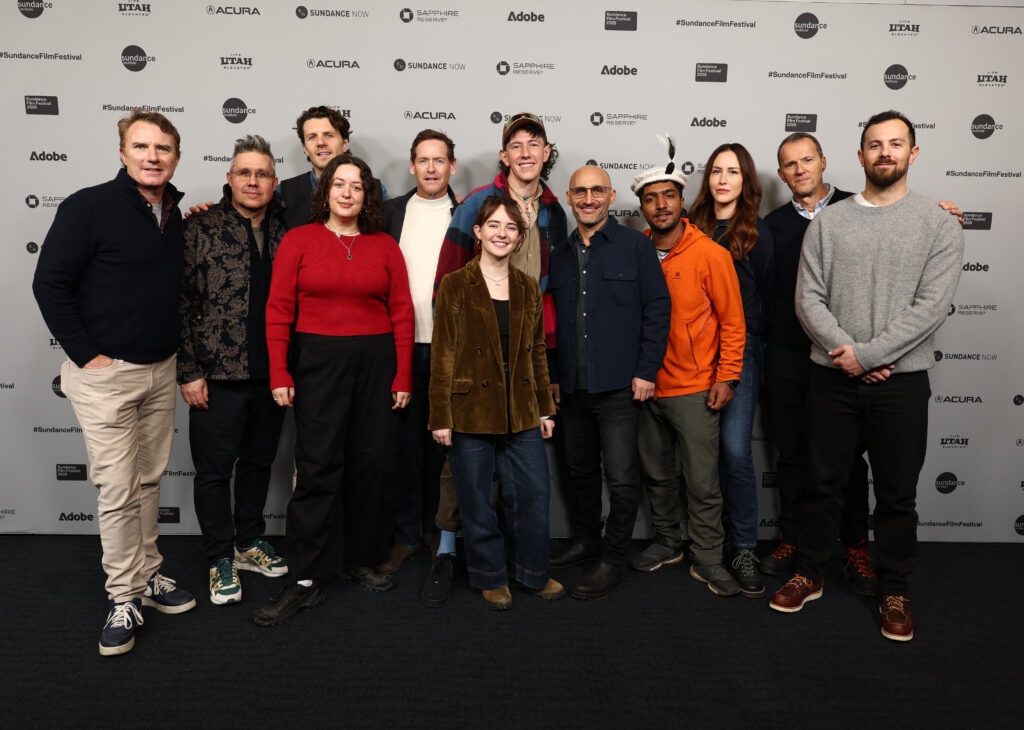
Ultimately, the power of The Last First lies in its collective nature. Bar-Lev is quick to credit his team, referring to them as a "band of superheroes" who were essential in navigating the complexities of the narrative.
"The story of the creative process often narrows toward the story of the director’s choices," Bar-Lev says. "In actuality, all parts of the making of a film are creative choices, and many more hands and hearts are involved than just mine."
With The Last First: Winter K2, Bar-Lev has not only documented a tragedy; he has created a mirror in which the viewer can see the reflection of their own ambitions, their own complicity in a consumer-driven world, and the inherent, dangerous, and beautiful struggle of what it means to be human in an increasingly crowded world.
