
From Box Office Pain to On-Set Precision: How Robert Eggers Turned a Major Flop Into a Filmmaking Lesson for ‘Werwulf’
Main Facts
Renowned auteur Robert Eggers has cultivated a reputation as one of modern cinema’s most meticulous and singular voices. With a distinct cinematic language defined by historical authenticity, eerie atmospheric dread, and striking visual compositions, his name carries immense weight in the horror genre and contemporary pop culture. Yet, despite his massive cultural footprint, Eggers has helmed only four feature films to date: The Witch, The Lighthouse, The Northman, and Nosferatu.
His upcoming fifth feature, Werwulf, is scheduled to slash its way into theaters on December 25, 2026. Judging by early promotional materials and trailers, the film is poised to become another landmark entry in the horror landscape. However, even visionary auteurs are not immune to the unpredictable nature of Hollywood financing and production hurdles.
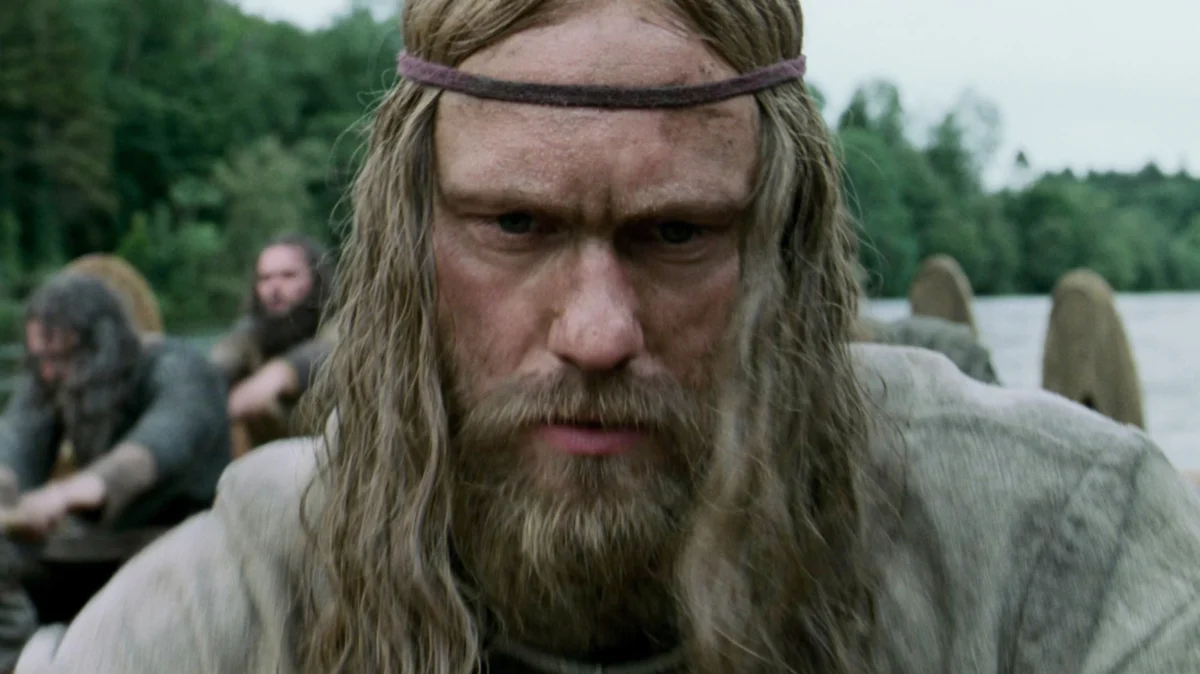
While The Northman—his sweeping 2022 Viking epic—showcased his technical ambition on an unprecedented scale, it ultimately became a major box office casualty due to its steep production budget and a challenging theatrical marketplace. Reflecting on the production of that film during a career retrospective at Beyond Fest in Los Angeles, Eggers revealed that the commercial disappointment of The Northman was matched by valuable, albeit frustrating, behind-the-scenes lessons. Specifically, a seemingly minor logistical breakdown involving background actors and horseback riding on The Northman fundamentally altered how he approached casting extras for his upcoming winter horror release, Werwulf.
Chronology
To understand the trajectory that led to Eggers’ latest production realizations, it is helpful to look back at the developmental timeline of his career.
- 2015: Eggers burst onto the international scene with The Witch, a micro-budget atmospheric horror film that established his penchant for period-accurate dialects and psychological dread.
- 2019: He followed up with The Lighthouse, a claustrophobic, black-and-white psychological thriller starring Willem Dafoe and Robert Pattinson, cementing his status as a premier voice in elevated genre filmmaking.
- April 2022: Eggers expanded his scale exponentially with The Northman, a dark fantasy action epic distributed by Focus Features. Diverting almost entirely from traditional horror, the Viking revenge tale carried a hefty budget reported to be near $70–90 million.
- Late 2022 – 2024: Following the theatrical underperformance of The Northman, Eggers pivoted to his passion project, Nosferatu, before quietly advancing development on his next major genre endeavor, Werwulf.
- October (Beyond Fest): During a career retrospective panel in Los Angeles, Eggers candidly discussed the growing pains of transitioning from indie-budget filmmaking to studio-scale epics, highlighting a specific miscommunication on the set of The Northman.
- December 25, 2026: Werwulf is slated for its theatrical release, marking the practical application of lessons learned from his past productions.
Supporting Data and Production Insights
The transition from the tightly controlled, contained sets of The Witch and The Lighthouse to the sprawling, mud-soaked vistas of The Northman exposed Eggers to the complex logistical machinery of studio filmmaking. With a massive canvas came moving parts that occasionally defied a director’s precise artistic vision.
At the heart of Eggers’ retrospective anecdote is a scene early in The Northman. King Aurvandill War-Raven (played by Ethan Hawke) triumphantly returns to the island of Hrafnsey after years away at war. For this pivotal homecoming, Eggers envisioned a striking visual composition: the aging king flanked by imposing, battle-hardened generals and elite soldiers whose physical presence and fierce appearance would visually complement Hawke’s gravitas.
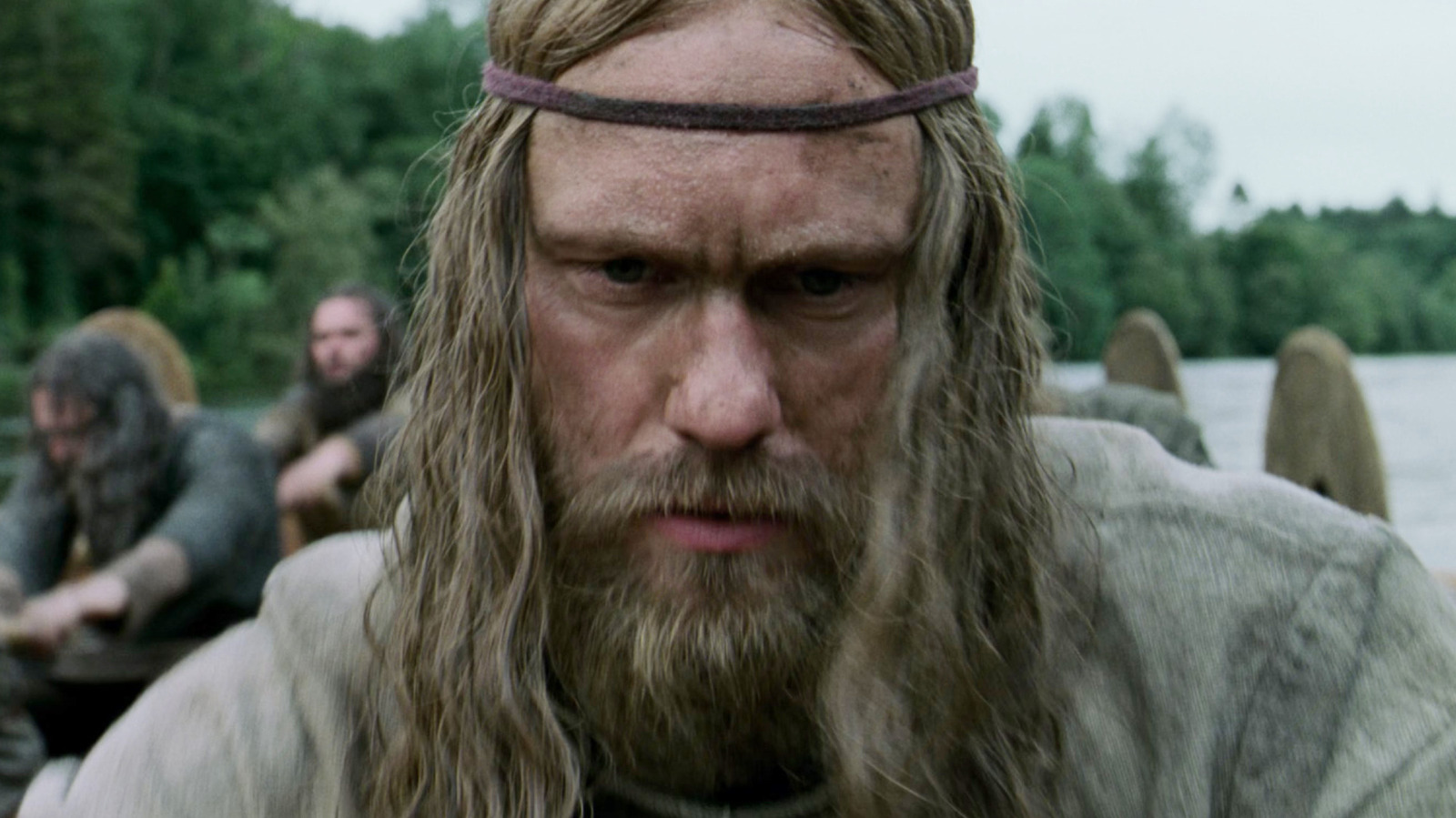
However, the realities of practical filmmaking intervened on the day of shooting. As Eggers recounted to the audience at the Egyptian Theatre:
"When Ethan Hawke comes in, riding into town in the beginning of the movie, I was like, ‘Where the hell are all the extras that I cast as his generals, and his elite soldiers, [that] looked amazing next to him?’ and it’s like, ‘Oh, well, those guys, they can’t ride horses.’ I was like, ‘Okay, but I cast them because they look the best, because they need to be by him.’ [The crew replied], ‘Yeah, yeah, yeah, but they aren’t the horse guys. Like these [others] are the horse guys.’"
Faced with a compromise between aesthetic casting and logistical safety, Eggers had to make do with background performers who possessed the necessary equestrian skills rather than those who perfectly matched the visual profile he initially desired for the king’s inner circle.
This minor yet jarring compromise stuck with the director. When pre-production began on Werwulf, Eggers ensured that history would not repeat itself. During a sequence in Werwulf where the character known as Old Hunter (portrayed by frequent collaborator Willem Dafoe) leads a posse into the wilderness to track the terrifying titular creature, Eggers instituted a strict screening protocol for the background actors.
"So, then, for Werwulf, when later in the film Willem Dafoe brings more hunters […] I was like, ‘Okay, show me only guys who can ride horses,’" Eggers explained. By streamlining the casting requirements early, he avoided the on-set friction that had compromised his artistic vision during The Northman.
Official Responses and Industry Context
While studios rarely dwell publicly on the operational hiccups of historical epics, box office post-mortems for The Northman are well-documented. Released in April 2022 amid a transitional period for theatrical exhibition, the film grossed approximately $69 million worldwide against a production budget estimated to exceed $70 million, before marketing costs. Despite earning critical acclaim for its ferocious action sequences, stellar performances, and commitment to Norse folklore, it failed to turn a theatrical profit, earning its designation as one of the prominent box office disappointments of that year.
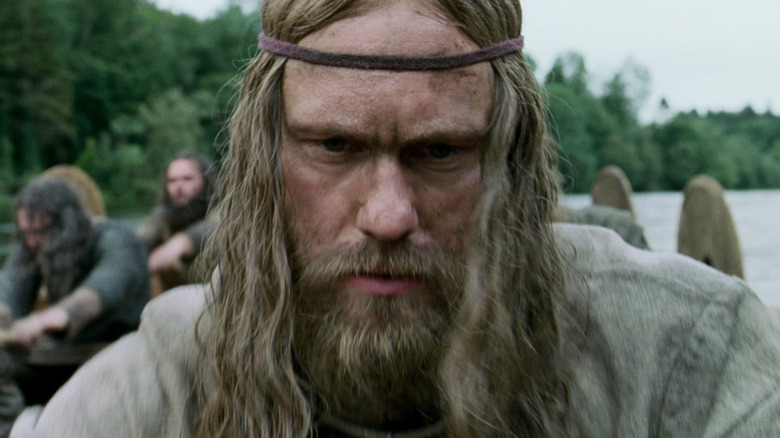
Industry analysts noted that The Northman represented a high-stakes gamble for Focus Features and Regency Enterprises, proving that even critically adored auteurs face immense financial pressure when scaling up to Hollywood blockbuster budgets. Eggers’ willingness to openly discuss these missteps—ranging from financial underperformance to minor on-set casting realities—highlights a refreshing level of transparency. Rather than deflecting blame, the filmmaker has continually treated every production hurdle as an educational stepping stone.
Implications
The lessons Robert Eggers extracted from the commercial failure of The Northman and the operational chaos of its horseback sequences carry broader implications for his career trajectory and modern auteur-driven cinema.
First, it demonstrates the maturation of a filmmaker navigating the treacherous waters between independent artistry and studio-level logistics. When directors accustomed to total creative control—such as those who emerged from the A24-style indie boom—step into studio-financed epics, communication breakdowns with specialized departments (like stunt coordinators, wranglers, and casting directors) are common. By internalizing these logistical bottlenecks, Eggers has refined his pre-production pipeline. For Werwulf, demanding equestrian competency before locking in background talent ensures that visual storytelling and practical execution align seamlessly.
Second, the journey toward Werwulf underscores the resilience required to survive in Hollywood. While The Northman did not conquer the box office, it expanded Eggers’ technical toolkit, teaching him how to manage grand-scale productions, complex choreography, and large ensembles. The humility required for a master craftsman to admit that background horse-riding logistics caught him off guard speaks to an ongoing pursuit of perfection.
As Werwulf prepares to claw its way into theaters on December 25, 2026, audiences can expect a film shaped not only by Eggers’ signature atmospheric terror and historical detail, but also by the hard-earned wisdom of a director who refuses to let logistical hurdles stand in the way of his vision.
