
From Cannes Controversy to Your Living Room: The Home Release of Na Hong-jin’s Sci-Fi Epic "Hope"
The cinematic landscape is defined by those rare, polarizing projects that refuse to fit neatly into established genre boxes. In 2026, no film has sparked more fervent debate—or garnered more visceral reactions—than Hope, the latest masterwork from South Korean visionary Na Hong-jin. Known for his unflinching exploration of dread and human frailty in The Wailing, Na has returned with a sci-fi thriller that challenges the very boundaries of the medium. Following its high-profile, tempestuous debut at the Cannes Film Festival and a subsequent theatrical run that saw a significantly re-edited version reach audiences, Hope is finally making its transition to home media.
Starting Tuesday, October 13, 2026, viewers will have the opportunity to experience the definitive version of Hope from the comfort of their homes. The film will be available for purchase and rental on major digital platforms, while collectors can secure physical copies through a Blu-ray pre-order program. This release marks a pivotal moment for a film that has navigated a complex path from the festival circuit to the living room, inviting audiences to revisit a story that continues to haunt the cultural zeitgeist.
The Chronology of a Controversial Release
The journey of Hope began with a wave of anticipation that rarely greets a director’s sophomore sci-fi venture. When it premiered at the Cannes Film Festival, it became the subject of immediate, intense discourse. Critics and audiences were divided; some hailed it as a transgressive masterpiece of modern horror-science fiction, while others expressed concern regarding the film’s pacing and structural density.
Na Hong-jin, a filmmaker known for his perfectionism, took the festival feedback to heart. In a move that is becoming increasingly rare in an era of "director’s cut" finality, Na oversaw a comprehensive re-edit of the film. The "Cannes Cut" was trimmed and tightened to better emphasize the narrative momentum and the psychological claustrophobia of the film’s central mystery. This refined version hit theaters in September 2026, silencing many of the initial critiques and earning a reputation as a lean, mean, and deeply unsettling cinematic experience.
Now, as the calendar turns to mid-October, the home release offers a chance for a wider audience to engage with this polished iteration. It is a rare opportunity to witness a director refining his vision in real-time, providing a masterclass in how editorial decisions can sharpen the thematic impact of a genre film.
The Narrative Core: Fear in Hope Harbor
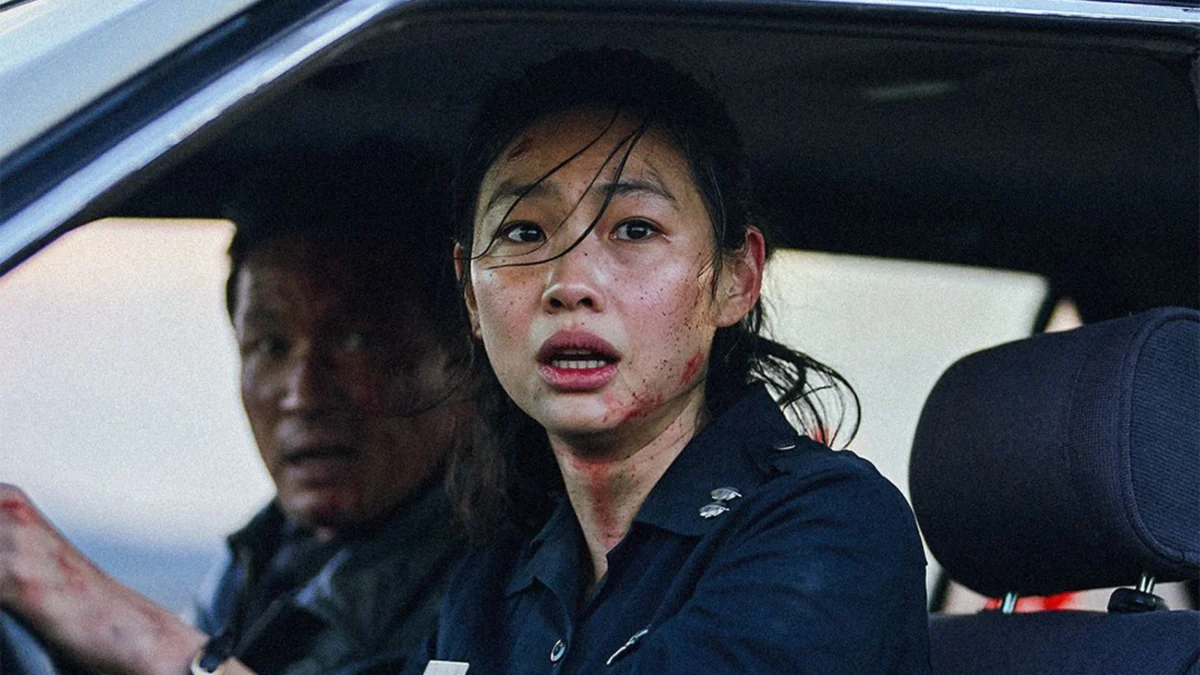
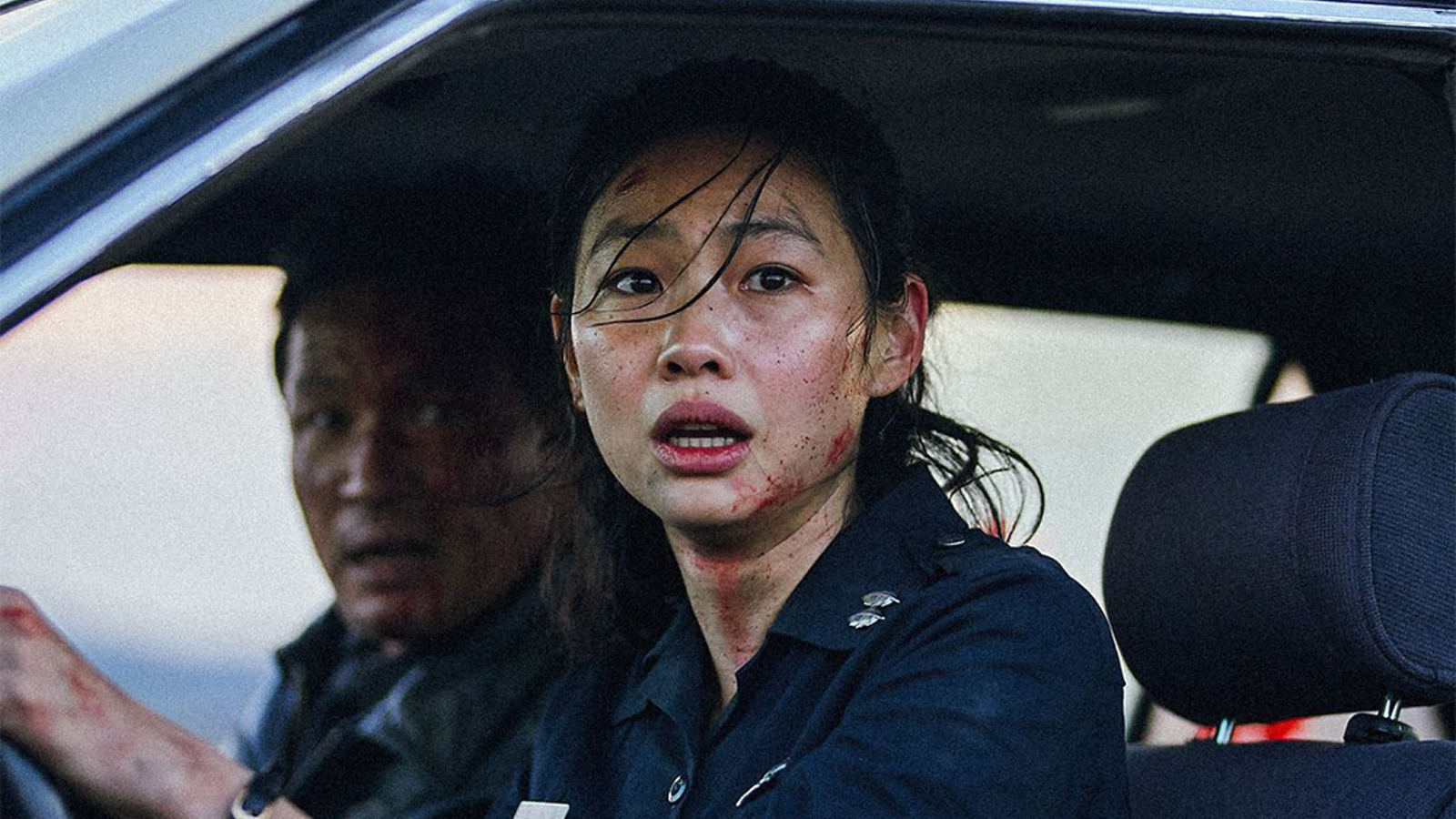
At its heart, Hope is a study in isolation. The film is set in the remote, mist-shrouded South Korean village of Hope Harbor. The plot centers on the local police outpost, specifically Chief Bum-seok and Officer Sung-ae. Their quiet, routine existence is shattered when a series of violent, inexplicable attacks plague the village.
As the authorities delve deeper, the evidence begins to point toward something that defies standard forensic explanation: a mysterious, predatory creature lurking in the dense forest surrounding the village. However, the film is far from a standard "creature feature." As local hunters mobilize and the lines between the investigators and their quarry begin to blur, the film shifts into a psychological exploration of what happens when humanity is confronted by the truly unknown.
The screenplay, which balances existential dread with high-stakes tension, forces characters—and by extension, the audience—to confront their deepest biases. It is a story about the fragility of community and the speed with which "civilized" individuals revert to primal instincts when faced with a threat that cannot be easily categorized or contained.
An International Ensemble
The power of Hope is anchored by a truly global ensemble cast, a testament to the project’s scope and ambition. Leading the charge is the esteemed Hwang Jung-min, who anchors the film with a weary, grounded performance as Chief Bum-seok. He is joined by Zo In-sung and Hoyeon, whose performances provide the emotional urgency that keeps the audience tethered to the film’s increasingly surreal developments.
The international reach of the production is further solidified by the inclusion of Taylor Russell, Cameron Britton, Alicia Vikander, and Michael Fassbender. The integration of Western actors into a distinctively South Korean folk-horror-sci-fi hybrid is seamless, lending a sense of universal stakes to the proceedings. Vikander and Fassbender, in particular, deliver performances that highlight the cross-cultural anxiety inherent in the film’s premise. By blending these diverse talents, Na Hong-jin ensures that Hope feels like a global event rather than a localized genre exercise.
Critical Reception and Scholarly Analysis
The critical reception of Hope has been nothing short of extraordinary. In our initial review, critic Jeremy Mathai noted, "’Hope’ is unlike any other movie you’ll see this year—or any year, for that matter." Mathai went on to argue that the film’s lasting impression stems from its refusal to offer easy resolutions or comforting tropes. "It’s truly not overselling this experience to say that, for better and worse, the final result is far more memorable than any mainstream movie of the pandemic era."
This sentiment has been echoed by scholars and genre enthusiasts alike. Hope has been cited as a primary example of "New Weird" cinema, where the rules of the genre are discarded in favor of atmosphere, allegory, and visceral dread. The film’s use of silence, the oppressive sound design, and the lingering, wide-angle shots of the forest all contribute to a feeling of impending doom that few modern films manage to sustain for a two-hour runtime.
The Implications of the "Cannes Cut" vs. Final Version
The decision to re-edit Hope between its festival premiere and its general theatrical release carries significant implications for the future of film distribution. In an age where digital streaming platforms often dictate the length and pacing of films, Na Hong-jin’s intervention stands as a defense of the director’s prerogative.
The "Cannes Cut" represented an raw, unfiltered look at the director’s intentions, whereas the theatrical version—which is the one arriving on home media—represents a dialogue between creator and audience. This evolution of the film highlights how modern viewers are becoming more sophisticated, often tracking these changes in real-time through social media and critical outlets. The home release, therefore, is not just a delivery of content; it is a historical document of a filmmaker refining his craft in the face of public discourse.
Why Hope Matters in 2026
As we navigate the latter half of 2026, Hope stands as a benchmark for what can be achieved when a director is given the resources to experiment with high-concept science fiction. It eschews the spectacle of space battles or futuristic technology for something much more intimate and terrifying: the monster in the woods that represents our own failings.
The film forces us to ask: What do we do when our systems of order fail? When the police, the hunters, and the community leaders are all equally susceptible to fear, where does hope actually reside? The title itself is deeply ironic, as the village of Hope Harbor becomes the site of utter hopelessness. Yet, it is within this bleakness that Na finds something profound to say about the human condition.
Final Thoughts on the Home Release
The digital release on October 13, 2026, serves as the final chapter in the current cycle of the film’s life. By making it available for purchase and rental, the studio is betting on the film’s long-term legacy. Hope is the kind of movie that demands repeat viewings; the dense layering of its mystery and the complexity of its cinematography mean that there is always something new to uncover upon a second or third watch.
For those who missed the film during its theatrical window, the home release is an essential acquisition. It is a challenging, uncomfortable, and utterly essential piece of cinema that will likely be discussed for years to come. Whether you are a fan of Na Hong-jin’s previous work or simply a devotee of high-concept, atmospheric thrillers, Hope is a mandatory addition to your library.
As the nights grow longer and the atmosphere turns chilly, there is perhaps no better time to settle in, turn down the lights, and venture into the dark forests of Hope Harbor. Just be prepared—some stories, once seen, are impossible to unsee.
