
The Duality of Corporate Stewardship: Why Paramount is Both the Savior and Scourge of the Avatar: The Last Airbender Franchise
Two decades after Michael Dante DiMartino and Bryan Konietzko introduced audiences to the elemental-bending world of Avatar: The Last Airbender, the beloved property stands firmly as a cornerstone of 21st-century animation. Boasting a rare combination of sweeping epic fantasy, nuanced sociopolitical world-building, deeply flawed and human characters, and finely choreographed martial arts action, the original series changed the television landscape forever.
Yet, as the franchise experiences a major renaissance through Avatar Studios—marked by new feature films, expansive sequel series, and freshly announced prequels—fans are forced to confront an uncomfortable paradox. Paramount Global, the corporate parent of Nickelodeon and Avatar Studios, has proven itself to be simultaneously the best and worst thing to happen to the Avatar universe. While the studio is finally greenlighting ambitious new content and locking in long-term renewals, its historical mismanagement, marketing apathy, and chaotic distribution strategies continue to frustrate the community that keeps the fandom alive.
Main Facts: The Current State of the Avatar Universe
The current landscape of the Avatar: The Last Airbender (ATLA) franchise is busier and more expansive than at any point in its history. However, this wealth of content exists alongside glaring corporate missteps in how these projects are presented to the public.
- The Expansion Wave: More than 20 years after the original series premiere, the franchise spans dozens of graphic novels, prose books, live-action adaptations, and sequel series.
- The 2026 Milestone: The year 2026 marks the debut of the franchise’s first-ever fully animated feature film, which follows Aang and his friends as young adults navigating a brand-new post-series adventure.
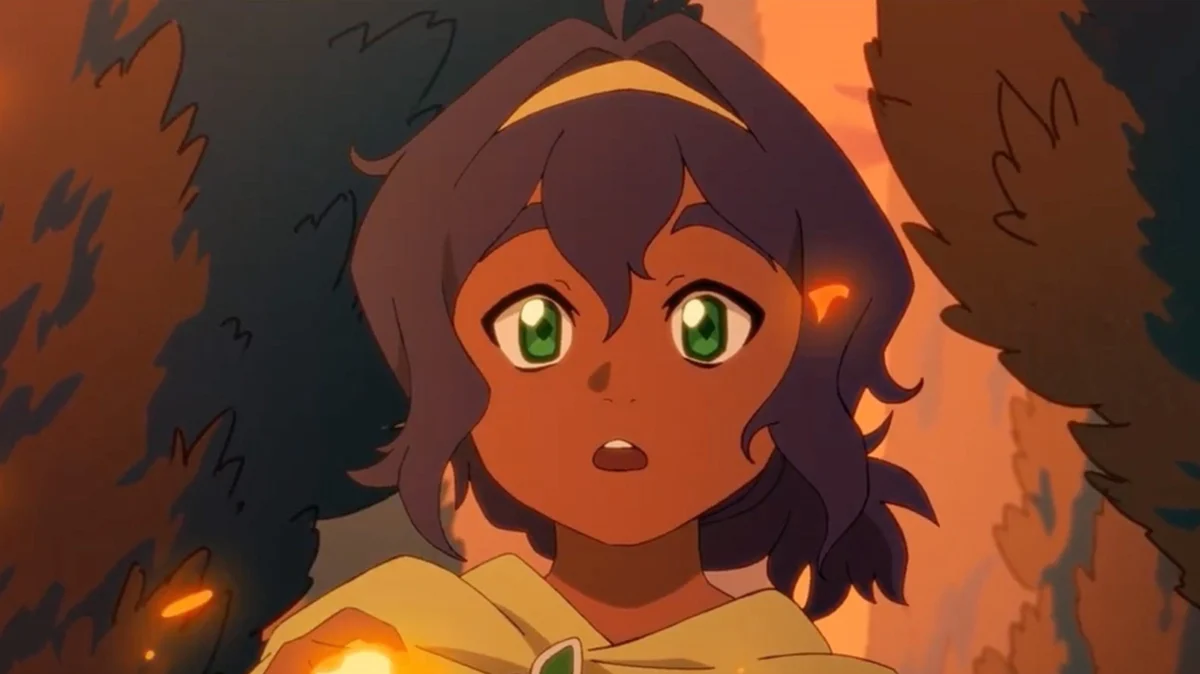
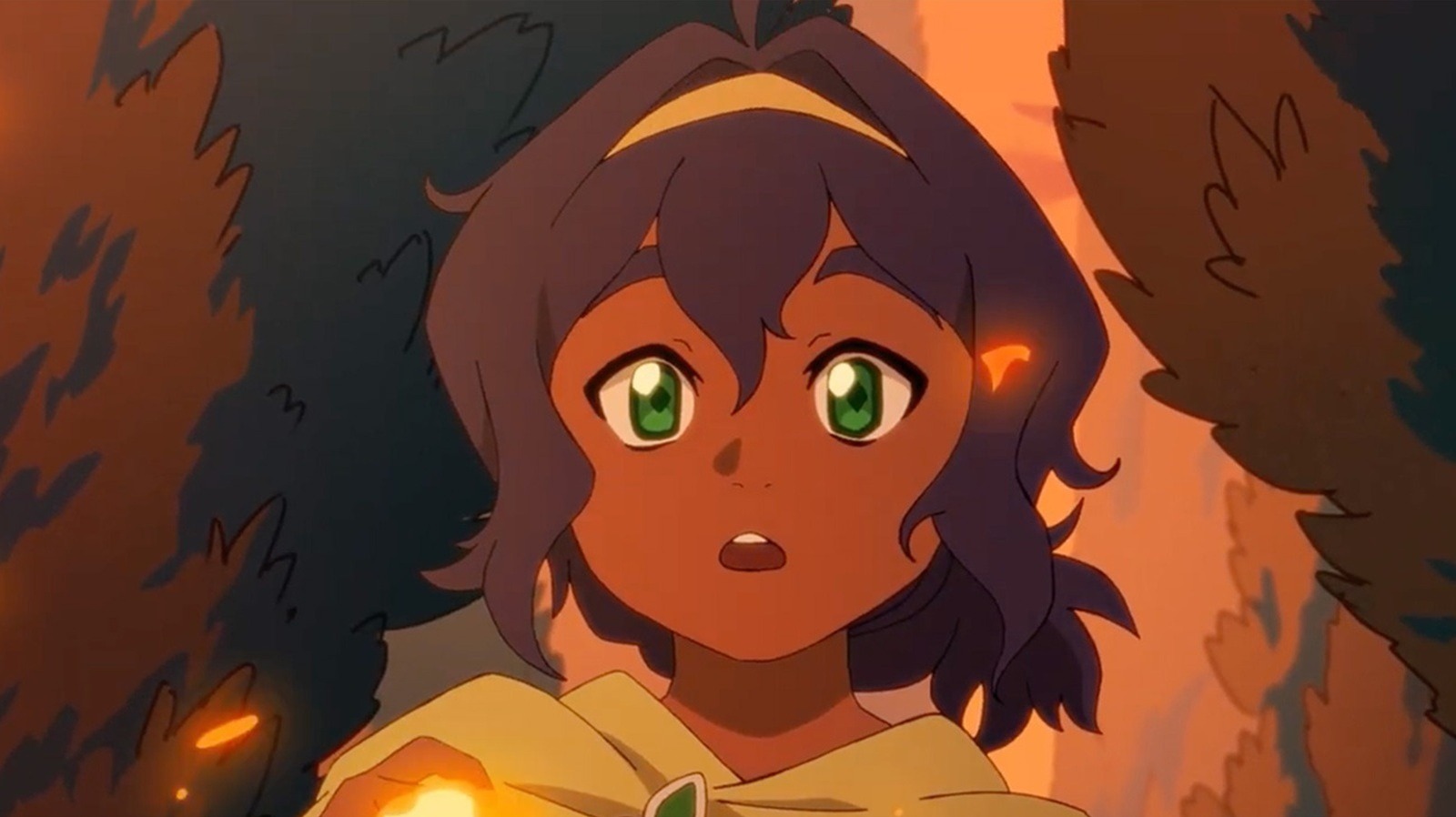
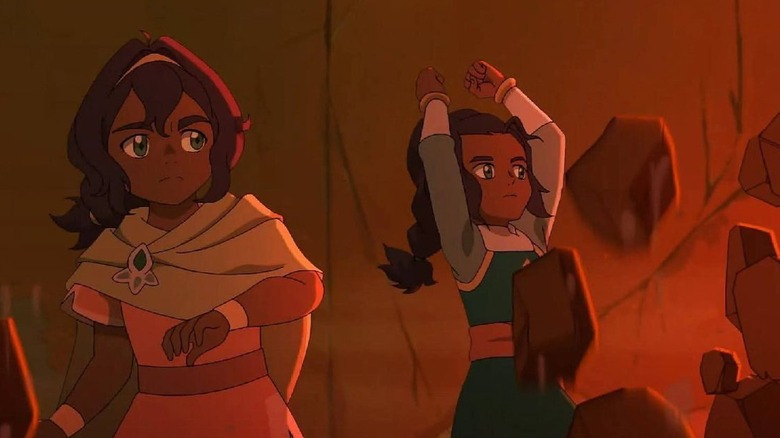
- Avatar: Seven Havens: Released as the first new television series in over a decade, Seven Havens broke franchise tradition by focusing on a historic first: twin Avatars.
- Major NYCC Renewals: At New York Comic Con (NYCC), Avatar Studios and Paramount announced that Seven Havens has already been renewed through Seasons 3 and 4, ensuring it will match the episodic longevity of its predecessors, The Last Airbender and The Legend of Korra.
- The Next Frontier: Alongside the Seven Havens renewal, creators announced Avatar Kuruk: Wave of Chaos, a forthcoming prequel series diving into the life of Avatar Kuruk, widely regarded as one of the most tragic figures in the Avatar reincarnation cycle.
Despite these momentous wins, the enthusiasm surrounding these announcements is heavily tempered by Paramount’s chronic failure to market its intellectual property effectively and respect its animation talent.
Chronology: A History of Missed Opportunities and Corporate Mismanagement
To understand why the current era feels so bittersweet, one must examine the timeline of how Paramount and its subsidiary, Nickelodeon, have handled the Avatar IP over the years.
The Original Era (2005–2014)
- 2005–2008: Avatar: The Last Airbender airs on Nickelodeon to critical acclaim and massive commercial success, establishing a high-water mark for American serialized animation.
- 2012–2014: The Legend of Korra premieres. What follows is a masterclass in network sabotage. Season 1 airs in a standard Saturday morning kids’ slot, but for Season 2, Nickelodeon quietly shuffles the show to Friday evenings with zero marketing.
- Mid-2014: Facing fluctuating ratings caused by its own erratic scheduling, Nickelodeon pulls The Legend of Korra Season 3 off television entirely mid-air, dumping the final five episodes onto digital streaming platforms without warning.
- Late 2014: The fourth and final season is relegated exclusively to digital release on Nick.com and streaming platforms, virtually erasing the show’s linear television footprint.
The Modern Renaissance (2025–2026)
- July 2025: Avatar: Seven Havens is officially announced at San Diego Comic-Con alongside a two-season pick-up to celebrate the franchise’s 20th anniversary. Fans receive a single teaser image—and then absolute radio silence.
- Early 2026: Paramount releases the first-ever animated franchise feature film, Avatar Aang: The Last Airbender. Months prior to release, the entire film mysteriously leaks online. Paramount responds with silence, delaying the film multiple times before quietly stripping it of a wide theatrical release and dumping it directly onto Paramount+. The first official trailer drops the exact same month as the streaming release.
- Mid-2026: Exactly one year after its initial announcement, the first trailer for Seven Havens finally drops, revealing a premiere date just two months away.
- Late 2026 (NYCC): Paramount surprises the fandom by renewing Seven Havens through Season 4 and announcing Avatar Kuruk: Wave of Chaos, signaling a newfound long-term financial commitment to Avatar Studios—even if the marketing machine remains asleep at the wheel.
Supporting Data: The Metrics of Missteps
While qualitative fan grievances are plentiful, quantitative markers reveal a pattern of behavior that highlights Paramount’s uneasy relationship with animation:
- Marketing Lead Times: For major theatrical and streaming releases like Avatar Aang: The Last Airbender, promotional windows have shrunk to less than 30 days before launch, drastically undercutting potential box office or streaming sign-up momentum.
- Platform Shifting: The Legend of Korra saw its linear television audience drop by an estimated 30–50% between Seasons 1 and 2, a direct consequence of unannounced scheduling shifts and a failure to cater to the show’s aging demographic (who had grown up with the original series and transitioned into young adulthood).
- Studio Allocation: Avatar Studios was specifically founded in 2021 by Nickelodeon to house the creators of the original series and allow them total creative freedom. Yet, for nearly four years, the studio’s output was bottlenecked by corporate restructuring, shifting executive priorities, and a reliance on live-action experiments (such as Netflix’s live-action adaptation, which exists outside Paramount’s direct creative control).
Official Responses and Industry Reactions
Executives at Paramount and Nickelodeon have increasingly leaned into the language of prestige and fandom appeasement, especially during convention panels. At the recent New York Comic Con presentation, studio representatives emphasized that the multi-season renewals for Avatar: Seven Havens are designed to give creators Michael Dante DiMartino and Bryan Konietzko the "runway they deserve" to tell complex, serialized stories without the threat of sudden cancellation.
However, industry analysts and animation advocates have pointed out a stark disconnect between corporate PR and actual treatment of creative assets. Speaking anonymously to entertainment trades, several animators within the broader Nickelodeon ecosystem have noted that Paramount routinely views animation as a disposable loss-leader rather than a crown jewel—a sentiment echoed in various critiques labeling Paramount as part of a wider trend of major studios "butcher[ing] animation legacies" for short-term tax write-offs and streaming algorithms.
Conversely, showrunners and creative leads at Avatar Studios have struck an optimistic chord, praising the establishment of a dedicated studio framework that finally isolates their production pipeline from the erratic whims of standard children’s television executives.
Implications: What This Means for the Future of the Franchise
The duality of Paramount’s stewardship leaves the Avatar fandom in a state of cautious whiplash. On one hand, the confirmation of a four-season arc for Seven Havens and the greenlighting of the Kuruk prequel prove that the studio recognizes the immense, enduring commercial value of the IP. The franchise is no longer a dormant relic of the mid-2000s; it is an active, multi-generational cinematic universe.
On the other hand, Paramount’s recurring habit of hiding its own projects—relying on sudden digital drops, minimal trailers, and a general aversion to robust theatrical marketing—suggests that corporate leadership still does not fully trust animation to command mainstream cultural conversations the way live-action superhero or sci-fi franchises do.
Ultimately, Paramount is funding the dreams of Avatar fans while simultaneously fumbling the presentation. As long as Avatar Studios is permitted to make brilliant, daring television like Seven Havens and explore tragic historical figures like Kuruk, fans will likely forgive the corporate radio silence. But as the franchise enters its third decade, the lingering question remains: how much higher could the Avatar empire fly if its parent studio finally learned how to market its greatest creation?
