
Echoes of the Lake: How Crystal Lake Attempts to Resolve a 45-Year Horror Mystery
For over four decades, the Friday the 13th franchise has occupied a unique, somewhat chaotic space in the pantheon of slasher cinema. It is a series defined not by rigid narrative consistency, but by the relentless, lumbering presence of its iconic antagonist, Jason Voorhees. However, the release of the prequel series Crystal Lake on Peacock has finally brought the franchise back to the cultural forefront, serving as the first substantial addition to the lore in over 17 years.
While the series functions as an origin story for the Voorhees family, its most ambitious—and arguably most controversial—undertaking is its attempt to reconcile a long-standing continuity error: the inexplicable physical evolution of Jason Voorhees between the original 1980 film and its 1981 sequel.
Main Facts: The Return to Camp Crystal Lake
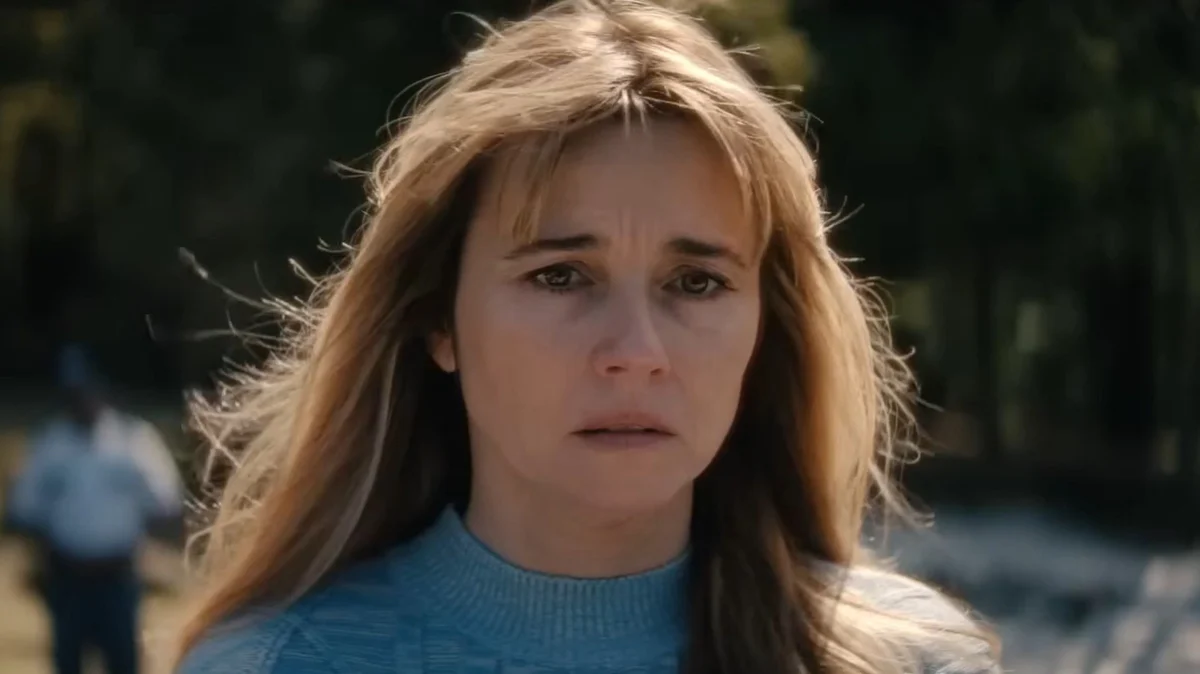
Crystal Lake arrives at a pivotal moment for horror fans. Since the 2009 remake, the franchise has been mired in legal limbo, leaving the status of the Voorhees legend stagnant. The new series, which centers largely on the perspective of Pamela Voorhees (played with chilling nuance by Linda Cardellini), shifts the focus to the year 1972—eight years prior to the events of Sean S. Cunningham’s original slasher masterpiece.
The primary narrative objective of Crystal Lake is to flesh out the psychological decay of Pamela Voorhees, a grieving mother struggling with the aftermath of her son’s supposed drowning. By exploring the events leading up to the Camp Crystal Lake massacre, the show attempts to provide the "why" behind the carnage. However, in the season finale, titled "The Final Chapter," the series pivots from psychological drama to full-blown science-fiction body horror, directly addressing the "Jason Problem" that has haunted the franchise since the Reagan era.
The Chronology of an Identity Crisis
To understand the weight of Crystal Lake’s revelations, one must examine the original, messy timeline of the films. In the 1980 original, Jason Voorhees is a memory—a tragic, drowned boy whose death serves as the catalyst for his mother’s murderous rampage. In the film’s final, iconic jump scare, a young, mud-caked boy emerges from the lake to pull the "final girl," Alice Hardy, into the water.
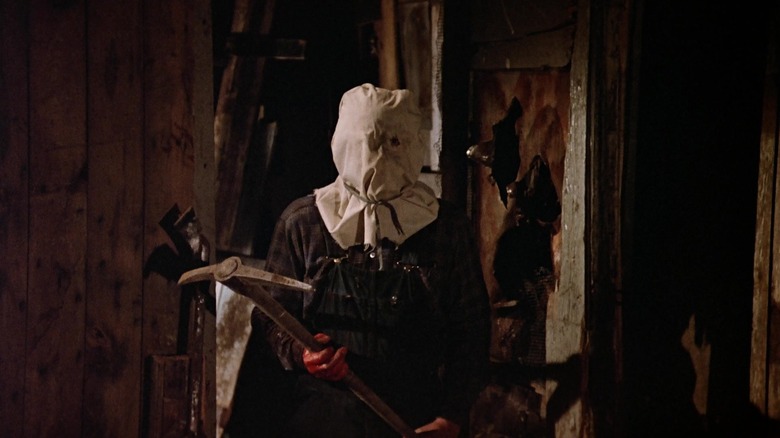
Yet, when Friday the 13th Part 2 premiered just one year later, Jason was no longer a child. He was a full-grown, hulking adult living in a shack in the woods, wearing a burlap sack over his head. For forty-five years, audiences have treated this as a standard "sequel logic" oversight—a studio-mandated choice to ensure a more formidable villain.
Crystal Lake attempts to bridge this gap by revealing that Jason did not die in the water in 1972. Instead, the finale reveals that Jason’s father, Elias Voorhees (Hamish Linklater), was involved in clandestine, unethical experimentation. The series posits that Elias utilized his son as a test subject to determine if human biology could be altered to withstand nuclear fallout. The result? A genetic splicing with cockroach DNA. This, the show claims, is the source of Jason’s preternatural durability and, seemingly, his accelerated physical maturation.
Supporting Data: Examining the "Cockroach" Twist
The introduction of the "cockroach-human hybrid" narrative is a bold, albeit polarizing, narrative pivot. By grounding Jason’s supernatural resilience in biological tampering, the writers have effectively replaced the series’ previously implied "curse" or "legend" with a hard-science origin.
Key Elements of the Explanation:
- Accelerated Growth: The show suggests that the genetic modifications performed by Elias Voorhees account for the massive growth spurt Jason experiences between his childhood appearance in the series and his emergence as a lethal force in the original film’s timeline.
- The Survivor Trait: The cockroach DNA provides a biological justification for how Jason survives gunshot wounds, machete slashes, and, eventually, his own demise throughout the later sequels.
- The 1972 Canon: By establishing "Big Jason" as a reality as early as 1972, the series attempts to retroactively fix the discrepancy. However, this creates a new conflict: if Jason was already a massive, mutated adult in 1972, why did he appear as a small, drowning boy at the end of the 1980 film?
Official Responses and Fan Reception
The reaction to the Crystal Lake finale has been a study in modern fandom polarization. On one hand, long-time devotees of the franchise appreciate the attempt to add layers of depth to the Voorhees mythos. On the other, the "cockroach DNA" twist has been met with significant derision.
Many fans argue that part of Jason Voorhees’ appeal has always been his nebulous, near-mythical status. By attempting to explain his physical stature and regenerative abilities through experimental science, critics argue the show has stripped away the "uncanny" nature of the character, turning a legendary slasher into a B-movie science experiment.
However, the creative team behind Crystal Lake has maintained that the goal was never to restrict the lore, but to provide a cohesive through-line that could sustain a multi-season television format. In interviews, producers have suggested that in the world of Friday the 13th, internal logic is secondary to the "legend" itself, and that Crystal Lake is merely one interpretation of the Voorhees history.
Implications: The Future of the Franchise
The implications of the Crystal Lake finale are profound. By canonizing the idea that Jason was a subject of scientific experimentation, the show fundamentally alters how we view the original films. It effectively reframes the "Alice Hallucination" theory—a popular fan explanation which suggests the boy in the lake was merely a manifestation of Alice’s trauma—as the only logical path forward. If the boy in the water was a hallucination, it frees the franchise from the constraints of the 1980 ending, allowing for a more "hard-canon" version of the events that followed.
Furthermore, the focus on Elias Voorhees as a primary antagonist opens doors for future seasons to explore the origins of the "Curse of Crystal Lake" not as a supernatural phenomenon, but as a byproduct of human hubris and institutional failure.
The "Fast and Loose" Nature of the Lore
It is important to remember that Friday the 13th has never been a series burdened by its own continuity. Director Sean S. Cunningham famously admitted that the original was never intended to spawn a franchise; it was a low-budget exercise in suspense. Every subsequent film added, subtracted, or outright ignored the rules of the previous entries.
From the introduction of the hockey mask in Part III to the space-faring adventures of Jason X, the franchise has thrived on its ability to reinvent itself. In this context, Crystal Lake is simply the latest, albeit most ambitious, attempt to force order onto a narrative that was built on chaos.
Conclusion: Is the Plot Hole Really Fixed?
Ultimately, does Crystal Lake fix the plot hole? The answer depends on what the viewer values more: scientific explanation or thematic mystery. While the show successfully provides a "reason" for Jason’s size, it does so at the cost of the franchise’s enigmatic roots.
For fans who have spent decades debating the size of the boy in the lake, the answers provided by the show may feel like a betrayal of the franchise’s spirit. Yet, for those who simply want to see the Voorhees legend expanded and modernized, the series offers a compelling, if bizarre, new chapter. Whether or not this "cockroach" origin sticks as the permanent bedrock of the Friday the 13th universe remains to be seen. What is certain is that the legend of Jason Voorhees has once again become a point of intense, passionate discourse, proving that even after 45 years, the waters of Crystal Lake are still very much alive.
