
The Return of Mo Lei Tau: Stephen Chow’s Kung Fu Soccer Brings High-Kick Chaos to the Asian Women’s Champions League
By Robert Ewing
Film & Entertainment Desk
Main Facts: The Return of a Master of Absurdity
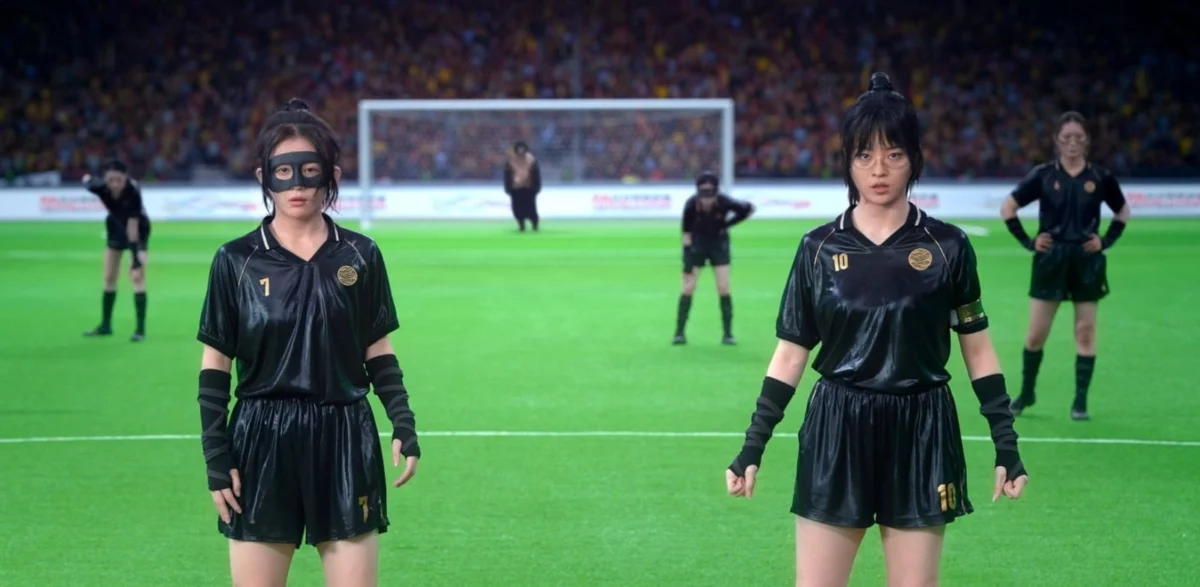
Over two decades after redefining action-comedy with the international phenomenon Shaolin Soccer, legendary Hong Kong filmmaker Stephen Chow is back on the pitch. His latest cinematic venture, Kung Fu Soccer (2026), serves as a spiritual successor to his early 2000s classic, swapping out the ragtag group of Shaolin monks for an underestimated women’s football squad wielding the ancient martial arts of the Emei mountains.
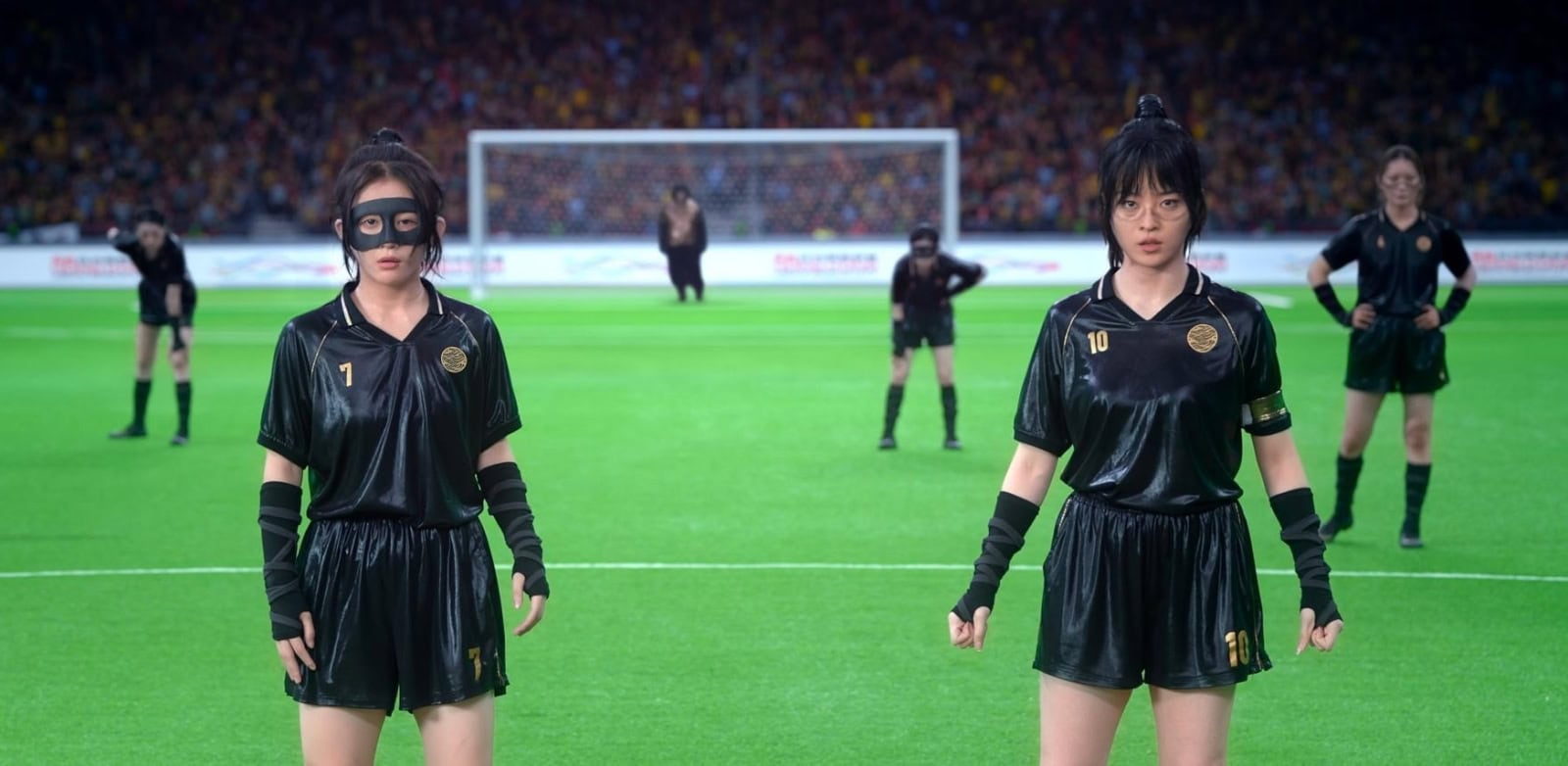
The film boasts a high-profile pan-Asian ensemble cast, featuring Zhang Xiaofei (Hi, Mom), Dilraba Dilmurat, Lay Zhang, veteran actress Carina Lau, and Japanese superstar Takeru Satoh. At its core, Kung Fu Soccer follows the Emei team as they enter the high-stakes arena of the Asian Women’s Champions League. Considered rank outsiders by pundits and opponents alike, the team initially seems destined for a swift exit. However, they quickly become an unstoppable force under the guidance of senior martial arts brother Xu Feng (played by Lay Zhang). Yet, sporting glory is fleeting; an internal ideological dispute soon ruptures the team’s fragile alliance, leading Xu Feng to make a shocking heel-turn and pit himself against his former comrades.
True to Chow’s directorial DNA, the film leans heavily into Mo Lei Tau (a Cantonese comedic style translating roughly to "making no sense" or "coming from nowhere"). The result is a chaotic, unapologetically zany cinematic ride that prioritizes unrelenting physical gags and over-the-top action choreography over traditional narrative structure. While critics note that the film’s plotting and character development leave much to be desired, its sheer comedic energy and nostalgic musical cues make it a notable entry in Chow’s celebrated filmography.

Chronology: Tracing Stephen Chow’s Athletic Comedy Legacy
To understand the cultural and cinematic weight of Kung Fu Soccer, one must trace the evolution of Stephen Chow’s unique brand of sports-infused martial arts comedy over the past twenty-five years:
- 2001: The Genesis – Shaolin Soccer
Stephen Chow released Shaolin Soccer, blending computer-generated imagery with traditional Hong Kong wire-work and slapstick comedy. The film shattered box office records across Asia, establishing Chow as a visionary capable of merging disparate genres—football and martial arts—into a cohesive, crowd-pleasing narrative. - 2004: Global Expansion – Kung Fu Hustle
Following the international success of Shaolin Soccer (which gained traction in the West largely thanks to Miramax Films), Chow directed Kung Fu Hustle. Distributed by Columbia Pictures, the film cemented Chow’s global reputation as a master of cartoonish, physics-defying action-comedy. - The Intervening Decades:
In the years following Kung Fu Hustle, Chow shifted primarily to the director’s chair for major blockbuster fantasies such as Journey to the West: Conquering the Demons (2013) and The Mermaid (2016). While commercially lucrative, fans continually yearned for a return to the sports-centric, frantic martial arts chaos of his earlier work. - 2026: The Pitch Reopens – Kung Fu Soccer Premieres
Chow returns to the sporting arena with Kung Fu Soccer. Shifting the focus from a male team to the Asian Women’s Champions League, the film modernizes the Shaolin Soccer formula for a contemporary, globally diverse audience. Featuring an international cast spanning Chinese and Japanese talent, the film positions itself as both a nostalgic throwback and a fresh injection of comedic madness into modern sports cinema.
Supporting Data: Cast, Crew, and Technical Breakdown
Kung Fu Soccer operates on a grand scale, driven by high-energy performances, technical wizardry, and familiar creative collaborations:

Key Cast and Roles
- Zhang Xiaofei as Shuangshuang: The fierce captain of the Emei team. Her narrative arc is centered around her intense aversion to losing and her ultimate rediscovery of her passion for the game.
- Dilraba Dilmurat as Jade: The co-lead character whose backstory involves stepping away from the sport for romantic pursuits, only to return to the pitch when her relationship dissolves.
- Lay Zhang as Xu Feng: The senior brother who aids the Emei team before turning against them. Xu Feng stands out as the film’s most structurally complex character, serving as both catalyst and antagonist.
- Carina Lau and Takeru Satoh: Round out the star-studded ensemble, bringing additional star power and international crossover appeal, particularly through the inclusion of the Japanese squad as the film’s ultimate tournament bosses.
Production and Technical Elements
- Direction: Stephen Chow, known for his relentless pacing and singular comedic vision.
- Music and Composition: Raymond Wong, Chow’s regular musical collaborator, returns with a sweeping, nostalgic score heavily reminiscent of his work on Kung Fu Hustle.
- Action and Visual Effects: The film relies on a blend of flashy, exaggerated CGI and uncomfortably visceral practical effects. The meticulous attention paid to on-field injuries—such as teeth being shattered and bodies folding under impossible pressure—creates a distinct mixture of body horror and laugh-out-loud physical comedy.
Official Responses and Critical Reception
Upon its release, Kung Fu Soccer has sparked polarized yet largely enthusiastic responses from international critics and audiences alike.
Reviewers have universally praised the film’s comedic set pieces. The sheer inventiveness of the gags—ranging from rival teams like Team Ewha utilizing psychological warfare and physical allure to bypass referee penalties, to characters literally swallowing their own dislodged teeth—has been highlighted as a masterclass in visceral physical comedy. Chow’s direction has been lauded for keeping viewers thoroughly entertained, even when the underlying screenplay falters.

However, industry analysts and film critics have not shied away from pointing out the film’s narrative shortcomings. Chief among the criticisms is the lack of depth afforded to its female leads. Despite shifting the narrative focus to a women’s football league, the film bypasses any genuine social commentary regarding gender disparities in sports, opting instead to treat the women’s game as an equal and parallel universe to men’s football.
Furthermore, character arcs have faced scrutiny. The writing for team captain Shuangshuang and co-lead Jade has been described as one-dimensional, while Xu Feng’s late-stage villainous turn has been criticized by reviewers as a "lazy narrative device" designed to forcefully bridge comedic set pieces rather than stem from organic character growth. Despite these structural flaws, critical consensus lands comfortably on the film being an undeniable, albeit flawed, crowd-pleaser.

Implications: What Kung Fu Soccer Means for Modern Asian Blockbusters
The release of Kung Fu Soccer carries broader implications for the trajectory of Asian commercial cinema and cross-border casting:
- Pan-Asian Collaboration: By casting major stars from both Chinese and Japanese entertainment industries—such as Dilraba Dilmurat, Lay Zhang, and Takeru Satoh—the film signals an ongoing shift toward cross-territory blockbusters designed to appeal broadly across the East Asian market.
- The Durability of Mo Lei Tau: In an era dominated by gritty realism and serialized franchise universes, Chow’s unwavering commitment to pure, nonsensical slapstick proves that there remains a voracious global appetite for uninhibited comedic chaos.
- The Evolution of Sports Entertainment in Cinema: While Kung Fu Soccer avoids deep socio-political commentary on women’s sports, its mere existence as a high-budget action comedy centered around a women’s tournament reflects changing industry priorities regarding franchise-led sports narratives.
Ultimately, Kung Fu Soccer may not rewrite the textbook on complex screenwriting or character development, but as an exercise in pure, unadulterated comedic riot, it secures Stephen Chow’s legacy as a singular voice in global entertainment.
