
Boldly Going Cinematic: Looking Back at the Legacy of Star Trek: The Motion Picture (1979)
Main Facts: The Genesis of a Cinematic Enterprise
When Star Trek: The Motion Picture premiered in December 1979, it marked a monumental shift for a franchise that had, up until that point, lived entirely in the living rooms of television viewers. Billed famously with the tagline "The human adventure is just beginning," the film transitioned Gene Roddenberry’s beloved television universe onto the grand theatrical canvas. Directed by legendary filmmaker and AFI Life Achievement Award honoree Robert Wise, the movie brought back the iconic original television series cast—William Shatner as Admiral James T. Kirk, Leonard Nimoy as Commander Spock, DeForest Kelley as Dr. Leonard "Bones" McCoy, alongside Nichelle Nichols (Uhura), George Takei (Sulu), Walter Koenig (Chekov), and James Doohan (Scotty).
Produced at the height of post-Star Wars science-fiction fever, Paramount Pictures poured unprecedented resources into the production. The result was a cerebral, visually opulent, and philosophically driven space epic that traded fast-paced laser battles for a ponderous, slow-burn exploration of artificial intelligence, evolution, and existential dread. Decades later, the film remains a fascinating artifact of late-1970s blockbuster filmmaking, standing as the grand patriarch of a sprawling multi-media empire that continues to expand to this day.
Chronology: From Small-Screen Cancellation to Big-Screen Glory
1969–1975: In the Wilderness and the Rise of Fandom
Following the cancellation of the original Star Trek television series by NBC in 1969 after three seasons and 79 episodes, the show found an unexpected second life in syndication. Throughout the early 1970s, the fan base—dubbed "Trekkies"—grew exponentially, staging conventions and lobbying studio executives. Recognizing the enduring commercial viability of the property, Paramount began exploring ways to revive the franchise.
1975–1977: The Aborted Star Trek: Phase II
Initially, Paramount planned to launch a dedicated "Fourth Network" anchored by a brand-new television series titled Star Trek: Phase II. Led by creator Gene Roddenberry, pre-production went deep. New sets were constructed, scripts were written, and most of the original cast (minus Leonard Nimoy, who was initially hesitant to return) were contracted. However, as the network plans collapsed, Paramount executives made a pivotal pivot fueled by the staggering box-office success of George Lucas’s Star Wars (1977) and Steven Spielberg’s Close Encounters of the Third Kind (1977). The studio realized science fiction belonged on the big screen, and Phase II was hastily re-engineered into a major motion picture.
1978–1979: Production Turmoil and Special Effects Marathons
Production on Star Trek: The Motion Picture was notoriously fraught with difficulty. The budget escalated dramatically, fueled by cutting-edge visual effects work assigned to Douglas Trumbull and John Dykstra. The script underwent continuous rewrites, and the post-production schedule became a frantic race against the clock to ensure the film could meet its strict holiday release date. Rumors circulated that wet prints were literally being flown across the country just hours before premieres.
December 7, 1979: The Premiere and Mixed Reception
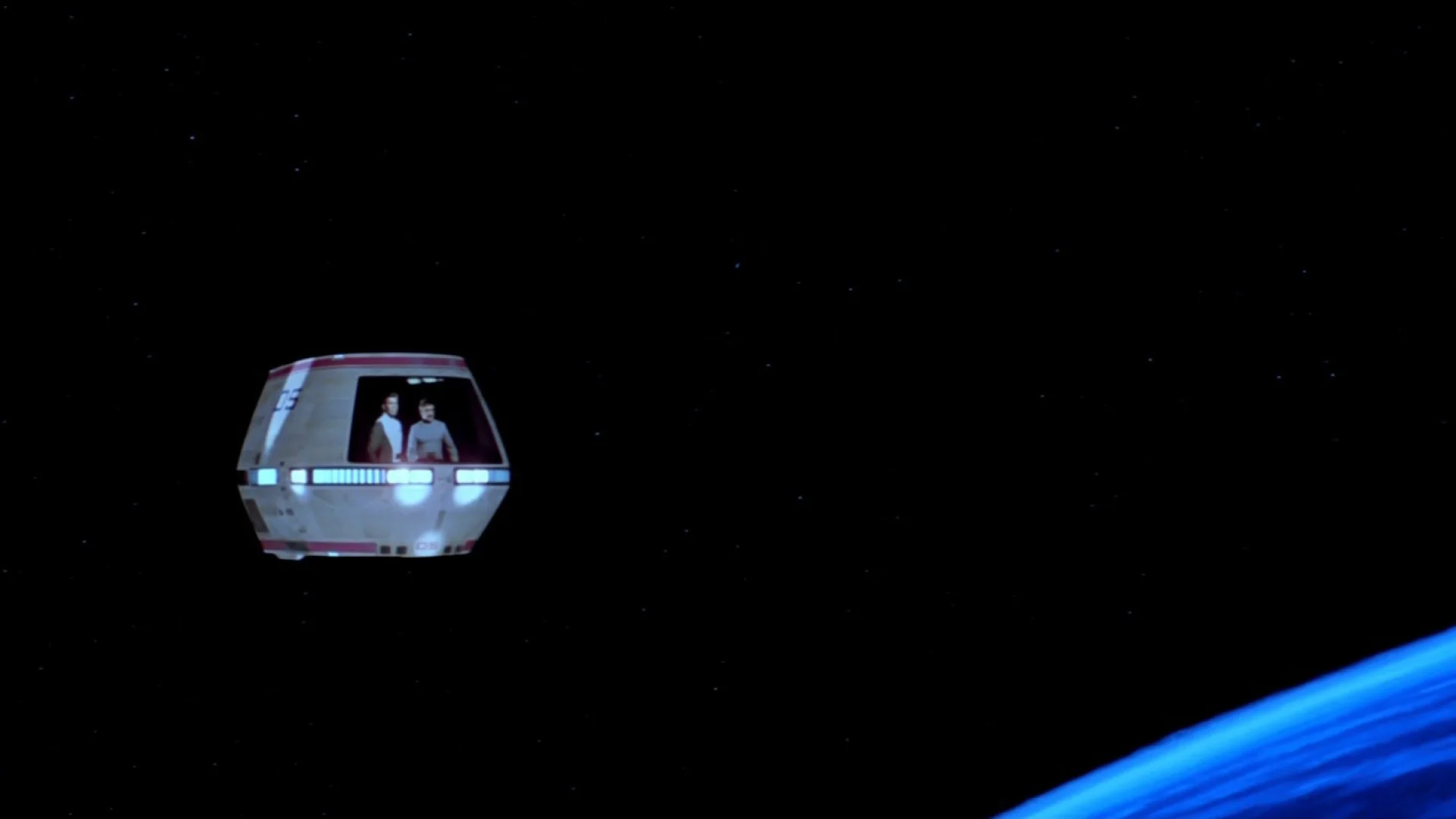
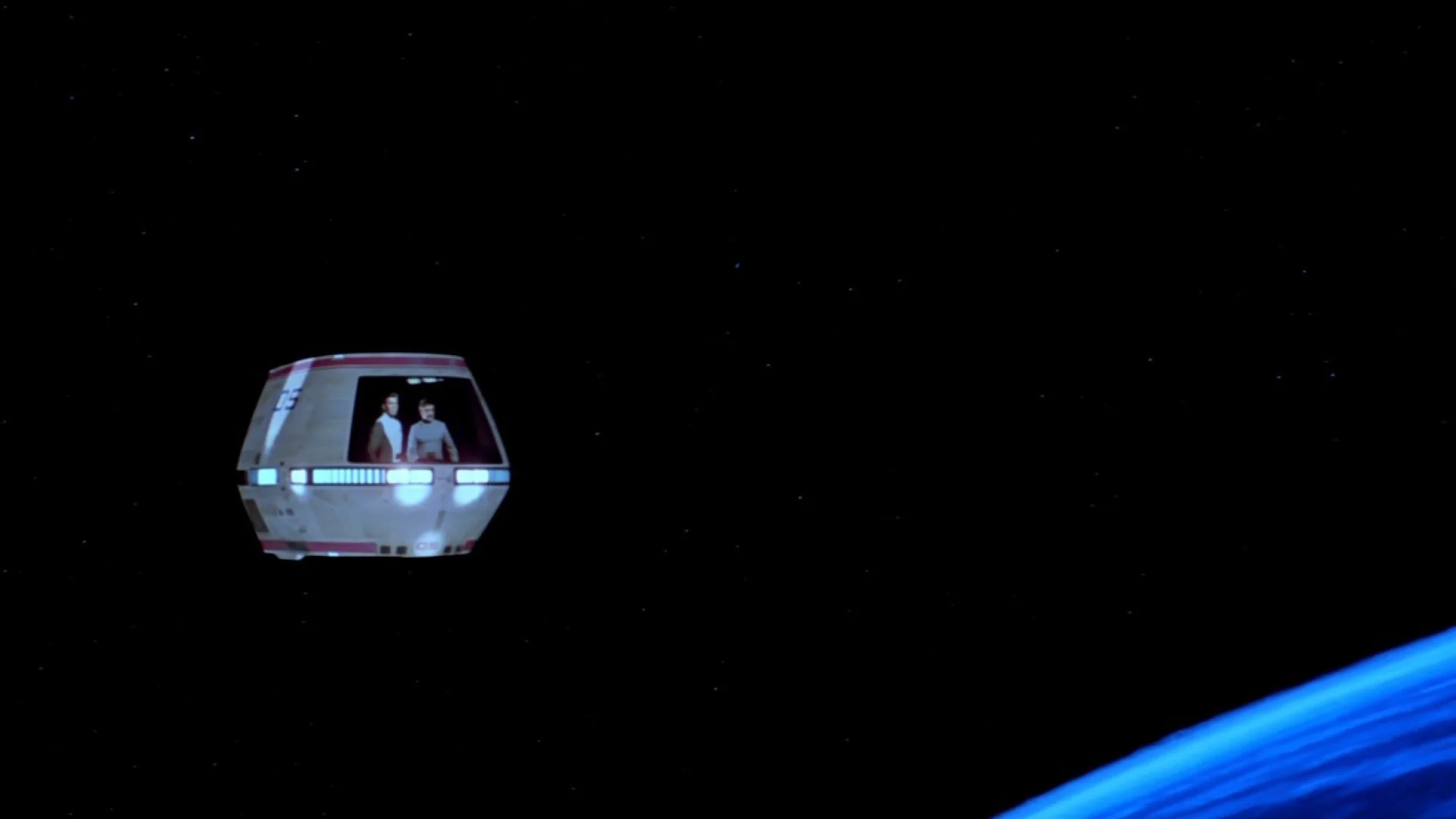
The film debuted to massive audience anticipation and earned solid box-office returns, ultimately grossing over $139 million worldwide against a production budget that had swelled to roughly $45 million. However, critical and fan reception was polarized. Audiences raised on the swashbuckling energy of Star Wars found Robert Wise’s methodical pacing, philosophical themes, and extended visual sequences—such as Kirk’s breathtaking, lingering shuttle flight around the newly refit USS Enterprise—to be overly meditative and slow.
2001: The Director’s Edition
Director Robert Wise never felt he had achieved his definitive vision due to the extreme time constraints imposed by Paramount in 1979. More than two decades later, utilizing digital restoration and new computer-generated effects, Wise returned to the editing room to release Star Trek: The Motion Picture – The Director’s Edition, which tightened the pacing, corrected unfinished visual effects, and finally realized the director’s true artistic intent.
Supporting Data: Production, Box Office, and Critical Metrics
To understand the immense scale and impact of Star Trek: The Motion Picture, it is helpful to examine the financial, technical, and critical metrics surrounding its release:
- Initial Budget: Approximately $35 million, which eventually ballooned to an estimated $44–$46 million due to extensive visual effects overruns—making it one of the most expensive films of its era.
- Box Office Performance: Grossed $139 million globally, securing a profitable return for Paramount and proving that adult-oriented science fiction could still command a massive theatrical audience.
- Academy Award Nominations: Received three Oscar nominations at the 52nd Academy Awards:
- Best Original Score (Jerry Goldsmith)
- Best Art Direction (Harold Michelson, Joe Johnston, Tambi Larsen, and Ray Moyer)
- Best Visual Effects (Douglas Trumbull, John Dykstra, Richard Yuricich, Robert Swarthe, Dave Stewart, and Grant McCune)
- The Jerry Goldsmith Masterpiece: Legendary composer Jerry Goldsmith crafted a sweeping, romantic, and adventurous orchestral score. His soaring central theme was so universally adored that it was subsequently adopted as the primary theme music for Star Trek: The Next Generation and several subsequent television series and films.
- The Refit Enterprise: The physical model of the USS Enterprise (NCC-1701) was redesigned by Andrew Probert. It remains one of the most celebrated starship designs in cinematic history, moving away from the stark, flat-gray television model to a more streamlined, pearl-white, intricately detailed vessel.
Official Responses and Industry Perspectives
At the time of its release, studio executives at Paramount Pictures were understandably anxious about the soaring costs and intense pressure to match the cultural phenomenon of Star Wars. Yet, despite the mixed initial reviews, studio leaders recognized that the film successfully breathed life into a dormant franchise.
Director Robert Wise reflected on the intense pressure of the production in various retrospective interviews throughout his life. "We simply didn’t have the time to finish the film the way it needed to be finished in 1979," Wise noted regarding the rushed post-production schedule. "The optical houses were working around the clock, and we were cutting film right up until the absolute final deadline."

Cast members, too, expressed mixed emotions about the grand cinematic transition. William Shatner often spoke about the weight of returning to the character of James T. Kirk a decade older and wiser, balancing the nostalgia of television with the grandeur of feature-film drama. Meanwhile, Leonard Nimoy’s initial reluctance to return dissolved as he engaged with Spock’s internal conflict—torn between human emotion and Vulcan logic—which formed the emotional backbone of the narrative.
Modern film historians and institutions like the American Film Institute (AFI) have steadily re-evaluated the film’s merits. Rather than viewing it as a flawed Star Wars imitation, contemporary critics champion Star Trek: The Motion Picture as a uniquely philosophical, visionary work of 1970s sci-fi cinema that shares more DNA with Stanley Kubrick’s 2001: A Space Odyssey than standard space-opera pulp.
Implications: The Foundation of a Franchise Legacy
The ultimate significance of Star Trek: The Motion Picture lies not just in its box-office numbers or its technical achievements, but in the fact that it proved Star Trek could exist successfully outside the boundaries of weekly television.
Without the financial risk taken by Paramount in 1979 and the sheer scale envisioned by Robert Wise, none of the subsequent iterations of the franchise would exist. The film established the template for cinematic storytelling within the universe, paving the way for the critically acclaimed Star Trek II: The Wrath of Khan (1982)—which course-corrected the pacing and action elements while retaining the rich character dynamics—and the dozens of television spin-offs that followed, from The Next Generation to modern streaming iterations.
Furthermore, the film cemented the enduring cultural bond between the original cast and their fans. By placing Kirk, Spock, McCoy, and the rest of the crew on the bridge of a majestic new Enterprise, Star Trek: The Motion Picture ensured that the human adventure would continue to resonate across generations, cementing science fiction as a vehicle for profound philosophical inquiry and enduring cinematic wonder.
