
The Anatomy of Cinematic Success and Television Craft: Why TV’s Greatest Secret Weapon Gives Feature Writers a Massive Edge
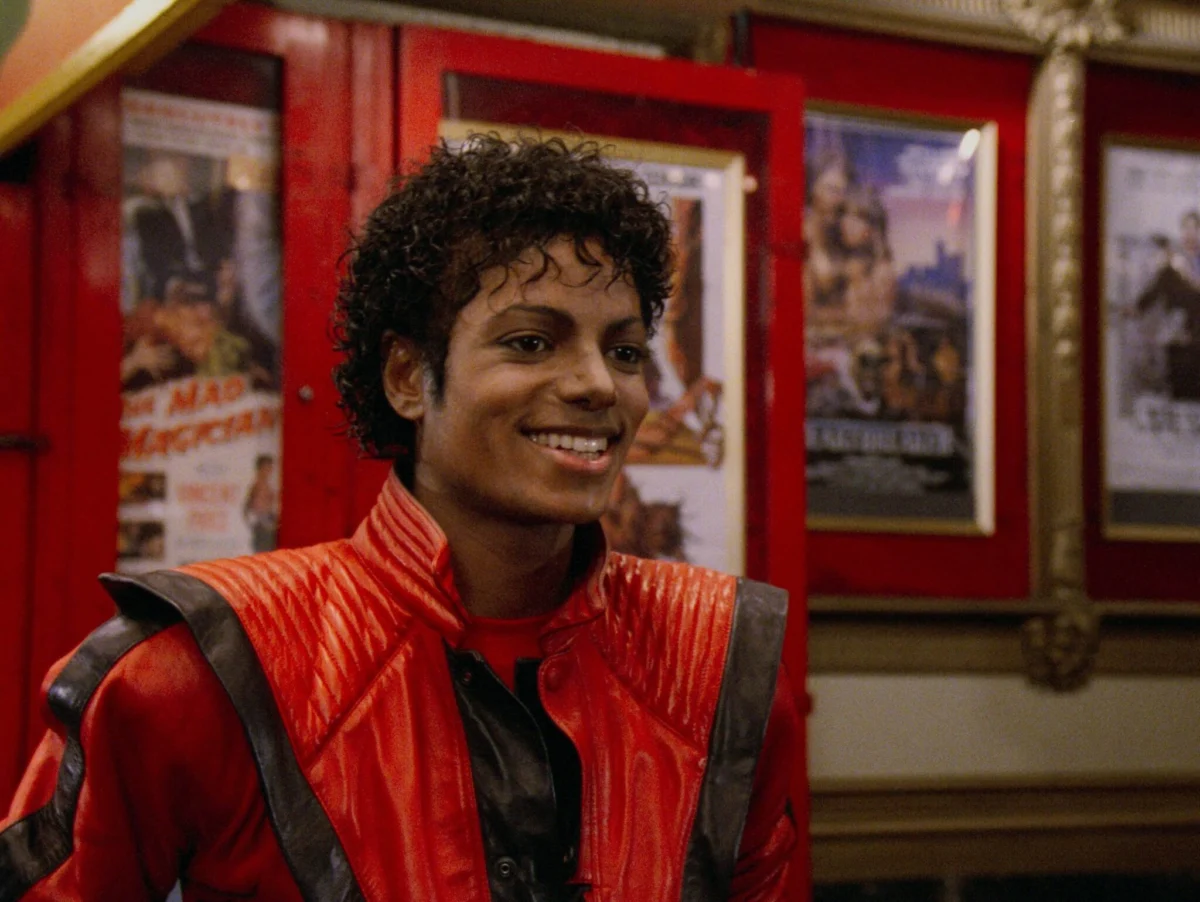
In the high-stakes, hyper-competitive ecosystem of Hollywood development, screenwriting lore is constantly being rewritten. Writers, producers, and executives constantly search for the holy grail of storytelling: a concept that satisfies the professional appetite for unprecedented originality while simultaneously appealing to a mainstream audience that happily consumes what it already knows.
Recently, this paradox took center stage yet again with the box office performance of the Michael Jackson biographical drama Michael. While industry insiders expressed perpetual shock that a biopic could pull massive numbers, seasoned analysts rolled their eyes. Michael Jackson remains the most commercially successful and culturally seismic pop star in modern history, possessing a biography fraught with monumental triumphs and tragic contradictions. Pair that with a catalog of universally beloved chart-toppers, and the theatrical draw is elementary.
Yet, behind the polished lens of every major musical biopic lies a torturous war zone of estate negotiations, legal red tape, and sanitized storytelling. Examining the realities of musical biopics offers a fascinating window into modern Hollywood’s risk-averse nature. More importantly, it bridges the gap into a masterclass on screenwriting craft: examining how television’s most enduring narrative tool—the "bottle episode"—can completely revolutionize the way feature film writers construct conflict, generate tension, and captivate audiences when traditional plot momentum grinds to a halt.
The Chronology and Complex Realities of the Musical Biopic
To understand why movies like Michael are simultaneous unicorns and cash cows, one must look at the brutal lifecycle of developing a musical biopic.
The Development Minefield
- Conception & Intellectual Property: A producer or writer identifies a high-value musical icon or band ripe for cinematic adaptation. Right away, hurdles appear. If it is a surviving group, band members frequently harbor decades of lingering resentment. In many cases, critical members flat-out refuse to sign away rights to their likeness or life story, instantly killing projects centered on legendary acts like The Police or Pink Floyd.
- The Estate Battle: If the subject has passed away, creators must navigate the labyrinth of artist estates. These are often controlled by multiple surviving relatives—such as a singer’s several children—all holding divergent emotional attachments, financial stakes, and conflicting visions for the narrative. Securing unanimous sign-off is virtually miraculous.
- The Sanitization Process: Because living subjects or litigious estates retain script veto power, any nuance, darkness, or mild negativity is systematically scrubbed from the screenplay. This explains why major studio musical biopics routinely face critical backlash for feeling overly sanitized.
- The Financial Catalyst: Projects typically only break through these monumental logjams when the underlying subjects or their managing estates face severe financial pressures. When liquidity becomes an issue, the appetite for a lucrative, studio-backed cinematic retrospective suddenly skyrockets.
Despite these hurdles, audiences continue to buy tickets. This creates a fascinating professional paradox: while Hollywood’s executive class relentlessly demands fresh, unprecedented concepts, the global ticket-buying public happily pays to see familiar, predictable stories executed with high production value. Navigating this dichotomy requires a screenwriter to understand the inner mechanics of professional script construction.
The Masterclass: Unlocking the Secret of the "Bottle Episode"
Moving away from the silver screen and into contemporary prestige television provides a masterclass in narrative engineering. Consider the acclaimed second season of FX/Netflix-style dark comedies or relationship dramas—such as the breakout hit anthology Beef—which routinely delivers psychological masterclasses in character dynamics.
In Beef, the narrative focuses on Joshua, the uptight manager of an exclusive, ritzy country club, and his increasingly strained marriage to Lindsay, who pressures him to abandon his post to launch a long-planned Airbnb venture. Concurrently, a young, naive staff couple at the club—Austin and Ashley—discover and weaponize a secretly recorded video of a violent domestic dispute between Joshua and Lindsay, blackmailing their way into high-powered club promotions.
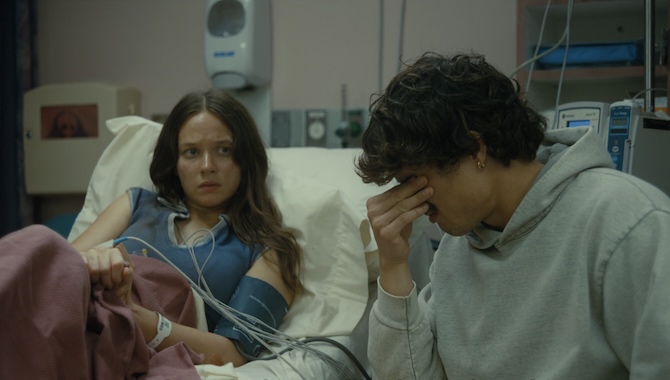
By the time the series reaches its fourth episode, the plot hits a temporary structural ceiling. Following an impulsive, frantic chase down a steep hill after suspecting Austin of romantic improprieties with the club owner’s Korean assistant, Ashley suffers a bad injury. Episode 4 takes place almost entirely within the cramped, chaotic confines of a hospital Emergency Room as Austin and Ashley wait endlessly for an open room.
What is a Bottle Episode?
In television production terminology, this narrative strategy is known as a bottle episode. Historically designed as a budget-saving mechanism, a bottle episode restricts the narrative action to a single, contained location. The underlying philosophy mirrors the advice given to aspiring feature screenwriters who pen contained thrillers or single-location horror films: scarcity breeds creativity, and containment dramatically slashes production costs.
However, the true brilliance of a bottle episode goes far beyond saving money. In standard television writing, and especially in feature films, the golden rule of storytelling is absolute: Move the story forward. Every single scene must aggressively propel characters closer to their ultimate narrative destination.
In feature screenwriting, failing to move the plot forward is fatal. In traditional television writing, the mandate softens to "do the best you can." But in a bottle episode, the rulebook is rewritten entirely: "If you can push the story forward, great. If you can’t, that is entirely acceptable too."
This introduces the ultimate test of a writer’s mettle. How do you keep an audience utterly riveted when the plot itself is completely frozen? Mastering this specific skill gives a feature screenwriter a colossal, unfair advantage in the marketplace. If a writer can sustain tension and entertainment value when a protagonist’s overarching goal is entirely stripped away, their fundamental command of character conflict becomes unbreakable.
Supporting Data and Dramatic Mechanics: The Power of Imbalance
So, how does a writer generate engaging narrative momentum in the total absence of forward plot movement? The answer lies in the second most powerful tool in the dramatic arsenal: Imbalance through Conflict.
When physical plot progression stalls, a writer must immediately pivot to interpersonal imbalance. By conflict, dramatic theory does not mean characters perpetually screaming at each other. Rather, conflict encompasses any state of emotional or situational disequilibrium between characters.
The Psychology of Imbalance
When two characters interact while their dynamic is fundamentally out of balance, a psychological phenomenon occurs: the audience perceives a form of "pseudo-forward-momentum."
As the characters converse, negotiate, or clash, the viewer holds onto the innate hope that the characters will successfully resolve their issues and restore harmony to the relationship.
- The Hypothetical Dinner Party Example: Imagine a married couple, Dan and Shelly, attending a social gathering. Dan resents Shelly’s tendency to overindulge in alcohol at public events and spends the evening making passive-aggressive remarks, deeply humiliating her. The scene cuts to late that night as the couple silently gets ready for bed.
- The Absence of Plot: Technically, neither character is chasing a grand objective (such as Indiana Jones tracking down a lost artifact). There is no external plot advancement.
- The Presence of Friction: Yet, the scene crackles with electric tension because of the unresolved emotional imbalance. Shelly is wounded by Dan’s public betrayal; Dan is defensive about her drinking habits. Whether they explicitly address the elephant in the room or maintain a icy silence while brushing their teeth, the underlying imbalance creates powerful dramatic momentum. The audience stays hooked purely out of the desperate hope that the couple can bridge the gap and bring their relationship back into equilibrium.
Application in Contemporary Television
Returning to the emergency room setting of Beef’s fourth episode, the primary unresolved disequilibrium involves Austin’s clandestine physical therapy sessions with the club owner’s assistant, and Ashley’s agonizing suspicion of emotional betrayal.
Instead of moving the overarching blackmail plot forward, the writers weaponize this existing imbalance. In one standout sequence, Austin steps away to use a vending machine, leaving his phone unattended with Ashley. The assistant immediately texts him. Seizing the opportunity, Ashley begins texting back as Austin, attempting to trap the assistant and extract a confession of wrongdoing.
While the macro-plot of the series remains temporarily bottled in the ER waiting room, the micro-conflict creates an intense illusion of rapid narrative progression. Viewers remain glued to the screen because the emotional stakes feel entirely active, proving that narrative momentum lives just as comfortably in psychological excavation as it does in physical action.
Official Industry Implications
For emerging screenwriters and industry professionals navigating the contemporary cinematic landscape, these dual lessons carry profound strategic implications:
- Pitching Originality vs. Execution: While commercial execs crave fresh IP, mastering the execution of universal human emotions allows writers to take familiar tropes and elevate them through undeniable character depth.
- Mastering the Micro-Scene: Screenwriters must recognize that external plot mechanics are ultimately secondary to internal character mechanics. If a scene’s forward momentum stalls, leaning aggressively into relational imbalance and unhealed friction will save the script from flatlining.
- The Value of Contained Spaces: Learning to write compelling bottle-style sequences forces writers to abandon lazy exposition and rely entirely on sharp dialogue, subtext, and behavioral tension.
As the deadline for prestigious platforms and competitions—such as the Blood & Ink Showdown—rapidly approaches, writers are urged to audit their current screenplays. Examine those sluggish middle scenes where the plot hits a wall: infuse them with unresolved interpersonal imbalance, watch the pseudo-momentum take over, and turn a stagnant screenplay into an undeniable page-turner.
