
Celebrating a Cinematic Masterpiece: The Enduring Legacy of The Thin Man (1934) and Its Place in American Film History
Main Facts: The Triumph of Sophisticated Comedy and Mystery
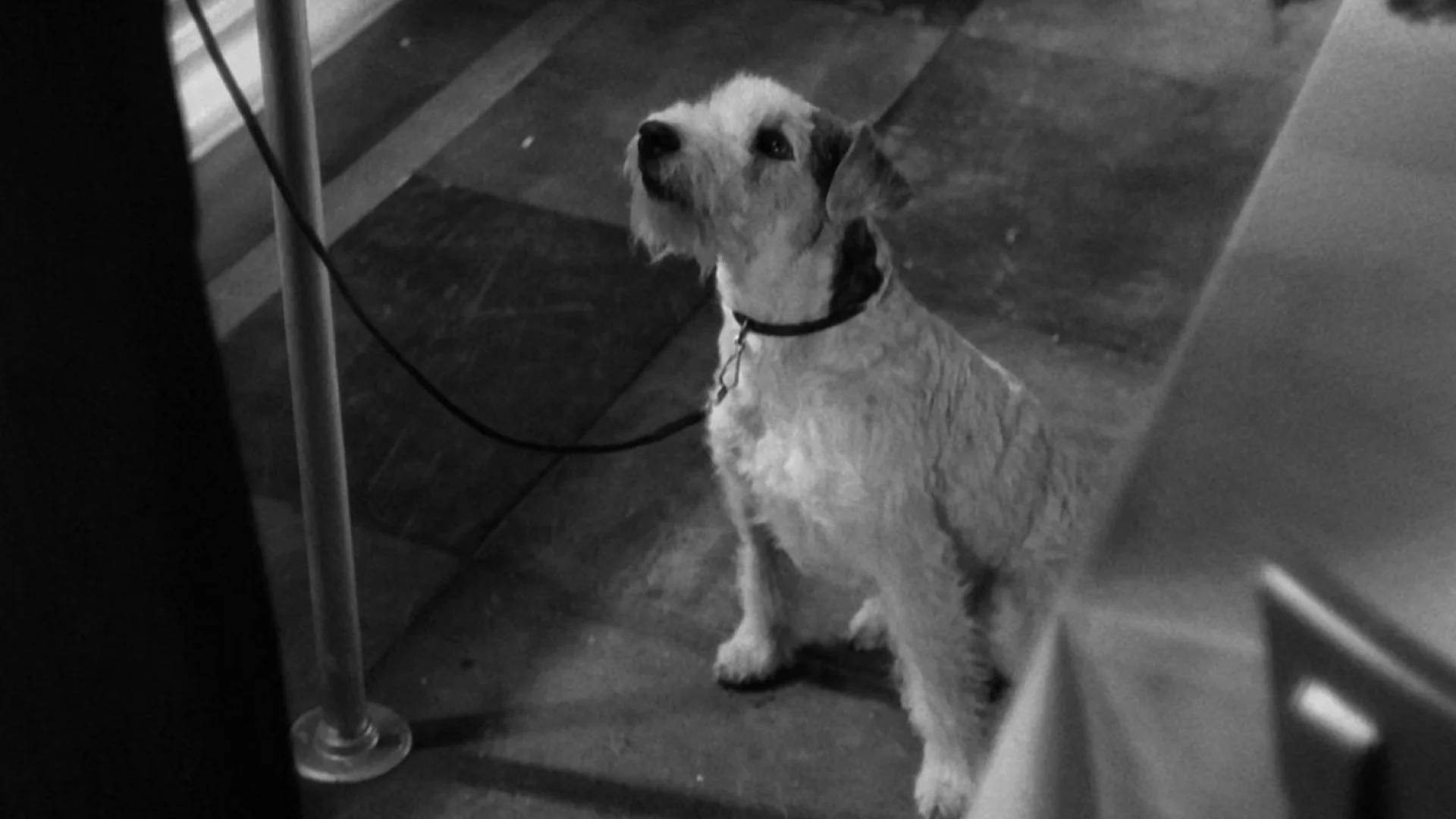
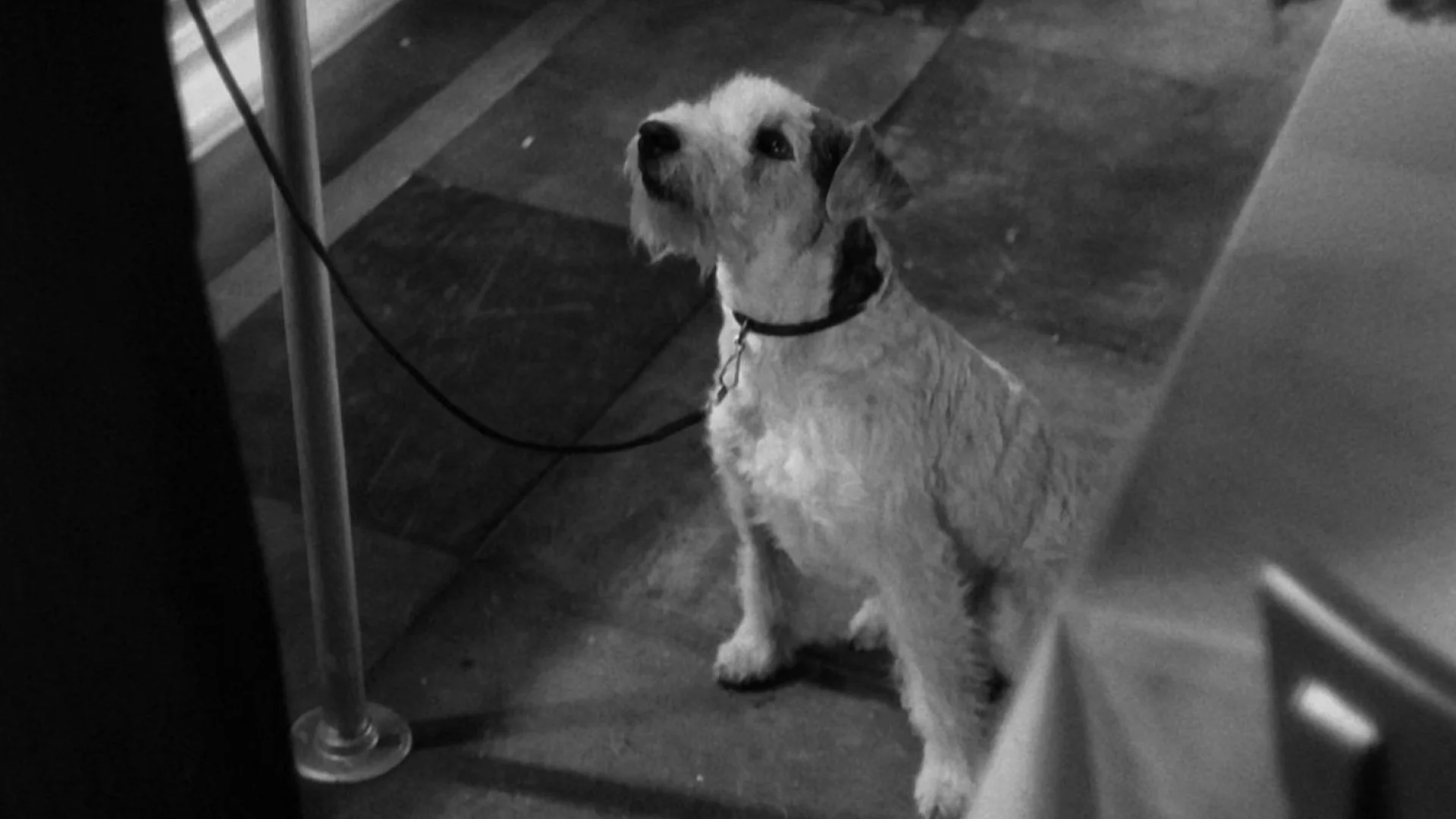
Released in the depths of the Great Depression in 1934, The Thin Man stands as a monumental achievement in American cinema, seamlessly blending screwball comedy with sophisticated whodunnit mystery. Directed by W.S. Van Dyke and produced by Metro-Goldwyn-Mayer (MGM), the film was adapted from Dashiell Hammett’s final novel of the same name. At its narrative and cultural core are the characters Nick and Nora Charles, brought to unforgettable life by the electric screen duo of William Powell and Myrna Loy. Accompanied by their wire-haired fox terrier, Asta, the couple redefined romantic banter, marital partnership, and cinematic style.
The American Film Institute (AFI) rightfully recognized The Thin Man as one of the greatest American film comedies of all time, embedding it securely within its prestigious "100 Years… 100 Laughs" list. Rather than portraying marriage as a stifling domestic trap or a source of endless melodrama, the film presented Nick and Nora as glamorous, cocktail-swilling, witty partners-in-crime who genuinely enjoyed each other’s company. This dynamic shattered contemporary conventions and established a new archetype for Hollywood couples.
The film’s production was a modest affair by Hollywood standards—shot in a remarkably swift 14 days on a budget of roughly $223,000—yet it became a massive box-office sensation. It grossed over $1.4 million domestically and nearly as much abroad, proving that audiences hungered for sophistication, sharp dialogue, and lighthearted escapism during economically turbulent times. Its immense success birthed one of Hollywood’s most successful franchises, spawning five sequels: After the Thin Man (1936), Another Thin Man (1939), Shadow of the Thin Man (1941), The Thin Man Goes Home (1945), and Song of the Thin Man (1947).
Chronology: From Dashiell Hammett’s Page to the Silver Screen
To understand the cultural phenomenon of The Thin Man, one must trace its journey from literary page to celluloid legend through a distinct timeline of events:
- January 1934: Dashiell Hammett publishes his novel The Thin Man. Though known primarily for hard-boiled detective fiction like The Maltese Falcon, Hammett injects a heavy dose of domestic wit and autobiographical inspiration into the book, modeling Nora Charles in part after his real-life partner, playwright Lillian Hellman.
- Spring 1934: Recognizing cinematic potential, MGM acquires the rights. Director W.S. Van Dyke is tasked with bringing the story to life. Initially, MGM management is hesitant to cast William Powell, who was primarily known for dramatic roles, and outright dismisses Myrna Loy, typecast as exotic sirens or "vamps." Van Dyke aggressively champions the pair, recognizing their off-screen chemistry and comedic timing.
- May 1934: Principal photography commences. Operating under Van Dyke’s famously fast-paced directing style—often capturing scenes in a single take—the production wraps in just two weeks.
- May 24, 1934: The Thin Man premieres in New York City to instantaneous critical acclaim and immediate audience adoration. It transforms Powell and Loy into A-list superstars and perennial fan favorites, cementing their status as one of Hollywood’s premier cinematic pairings (they would go on to make 14 films together).
- Late 1934: The film receives Academy Award nominations, including Best Picture, Best Actor for William Powell, Best Director for W.S. Van Dyke, and Best Writing/Adaptation for Frances Goodrich and Albert Hackett.
- 1936–1947: Capitalizing on the unprecedented chemistry of the leads and the public’s insatiable appetite for the characters, MGM rolls out a continuous stream of sequels over the next decade, maintaining high quality and box-office returns throughout the turbulent years of World War II and the post-war era.
Supporting Data: Box Office, Critical Reception, and Cultural Footprint
The enduring brilliance of The Thin Man is backed by remarkable commercial statistics, critical milestones, and archival preservation efforts:
- Box Office Performance: Made on a lean budget of approximately $223,000, The Thin Man grossed $1.241 million in the United States and Canada, alongside $257,000 internationally, accumulating a worldwide total of nearly $1.5 million—a staggering return on investment for 1934.
- Academy Recognition: The film earned four major Oscar nominations at the 7th Academy Awards:
- Best Picture (lost to It Happened One Night)
- Best Actor in a Leading Role – William Powell
- Best Director – W.S. Van Dyke
- Best Writing, Adaptation – Frances Goodrich and Albert Hackett
- AFI Accolades: The American Film Institute ranked The Thin Man #32 on its definitive "100 Years… 100 Laughs" list, celebrating the most humorous contributions to American cinematic history. Additionally, Nick and Nora Charles were nominated by the AFI for inclusion on their "100 Heroes and Villains" list.
- The Asta Phenomenon: Skippy, the wire-haired fox terrier who played the iconic dog Asta, became a bonafide animal star. Skippy went on to appear in several other classic films of the era, including Bringing Up Baby (1938) alongside Katharine Hepburn and Cary Grant.
Official Responses and Archival Preservation
In the decades following its release, cultural institutions, film critics, and industry bodies have continually reassessed and elevated The Thin Man. The American Film Institute has frequently highlighted the picture as a masterclass in tone, pacing, and character-driven comedy.

Film historians and preservationists, such as those working with the Library of Congress and the AFI Catalog, emphasize that The Thin Man represents the absolute peak of Pre-Code Hollywood sophistication—a brief window in film history before the strict enforcement of the Motion Picture Production Code in July 1934. The film features relaxed attitudes toward alcohol consumption (Nick and Nora are practically introduced via a cocktail shaker), witty banter concerning marital intimacy, and a nonchalant attitude toward convention that would become much harder to depict on screen just months later.
Furthermore, contemporary critics writing for the AFI Catalog note that the film’s screenplay—crafted by the legendary husband-and-wife writing team Frances Goodrich and Albert Hackett—achieved a rare alchemy. They successfully translated Hammett’s cynical, hard-boiled mystery into a sparkling romantic comedy without losing the intricate plotting of the murder mystery itself.
Implications: How The Thin Man Shaped Modern Cinema and Television
The legacy of The Thin Man extends far beyond its initial theatrical run, establishing narrative and stylistic tropes that reverberate through modern film and television today.

1. Redefining the Hollywood Partnership
Before Nick and Nora Charles, cinematic couples in American movies were often defined by dramatic pursuit, romantic longing, or tragic misunderstandings. The Thin Man introduced the concept of the "happily married couple who solve crimes and drink martinis." Their relationship was built on mutual respect, sharp verbal sparring, and affectionate equality rather than patriarchal domination or submissive compliance. This blueprint directly inspired decades of romantic mystery pairings, from television’s Hart to Hart to modern comedic-mystery ensembles.
2. The Birth of the "Whodunnit" Ensemble
The film’s climax—where Nick Charles gathers all the quirky, eccentric suspects in a drawing-room dinner party to dramatically expose the murderer—solidified a narrative trope that Agatha Christie popularized in literature and which countless murder-mystery films and television shows (such as Knives Out or Columbo) utilize to this day.
3. Pre-Code Wit and Dialogue-Driven Comedy
The rapid-fire, overlapping dialogue utilized by Powell and Loy anticipated the screwball comedies of the late 1930s (such as His Girl Friday and The Awful Truth). By prioritizing character voice, witty repartee, and behavioral quirks over pure physical action, The Thin Man demonstrated that intellectual banter could be just as thrilling to audiences as car chases or dramatic confrontations.

Streaming and Discoverability Today
For modern audiences seeking to explore the roots of classic American cinema, The Thin Man remains widely accessible across various digital platforms and physical media collections. Through resources like the AFI Catalog, film enthusiasts can dive deep into the production history, cast details, and cultural context of this timeless classic. As contemporary viewers continue to stream The Thin Man, Nick, Nora, and Asta prove that true cinematic charm, sparkling wit, and masterful storytelling never go out of style.
