
Breathing Life Back Into Fantasy: A Definitive Review of LAIKA’s Stop-Motion Masterpiece Wildwood
Main Facts: A Triumphant Return for LAIKA
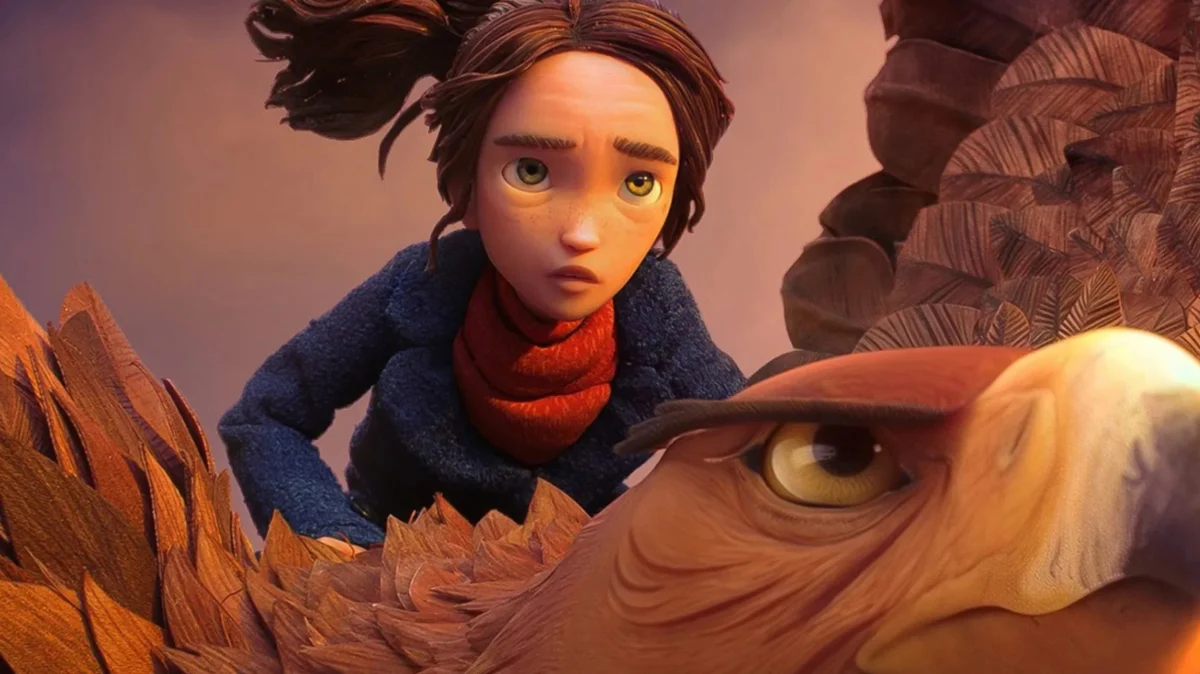
In an era dominated by hyperkinetic, algorithm-driven computer-generated imagery (CGI) and predictable franchise retreads, stop-motion animation studio LAIKA has once again proven that physical craftsmanship can outshine digital noise. Directed by Travis Knight and photographed by legendary cinematographer Caleb Deschanel (The Right Stuff, Being There), Wildwood stands as a monumental achievement in modern fantasy filmmaking.
Based on the 2011 novel by Colin Meloy—frontman of the indie-folk band The Decemberists—and illustrated by Carson Ellis, the film chronicles the perilous journey of 12-year-old Prue McKeel. When a flock of crows abducts her infant brother from their Portland, Oregon, home, Prue and her classmate Curtis venture past the borders of the city into the mysterious, untamed "Impassable Wilderness."
Boasting an all-star voice cast that includes Peyton Elizabeth Lee, Jacob Tremblay, Carey Mulligan, Mahershala Ali, Angela Bassett, Jake Johnson, Maya Erskine, and Tantoo Cardinal, Wildwood is rated PG-13—a rare designation for an animated feature, earned through its uncompromising depiction of high-stakes conflict, eerie folk-horror aesthetics, and visceral, on-screen danger.
Chronology: The Journey From Page to Screen
The path to bringing Wildwood to life has been a long-gestating passion project for LAIKA, tracing its roots back over a decade:
- 2011: Colin Meloy publishes the first novel in the Wildwood Chronicles, launching a trilogy that quickly gains a dedicated readership for its rich, folklore-inspired world-building and distinct Pacific Northwest setting.
- 2016: LAIKA officially announces it has optioned the film rights to the Wildwood series, signaling plans to adapt the intricate fantasy novel into the studio’s signature stop-motion style.
- 2024–2025: Production details emerge regarding the immense scale of the project, highlighting the studio’s reliance on practical puppets, handmade sets, and cinematography supervised by Caleb Deschanel to capture a tangible, organic aesthetic.
- October 23, 2026: Wildwood officially opens in theaters nationwide, earning immediate critical acclaim as a landmark release in contemporary animation and positioning itself as an early frontrunner for cinematic accolades.
Supporting Data: Behind the Craft of Wildwood
To understand the magnitude of Wildwood, one must examine the painstaking mechanics of stop-motion animation, a medium that defies the quick-fix nature of modern Hollywood blockbusters.
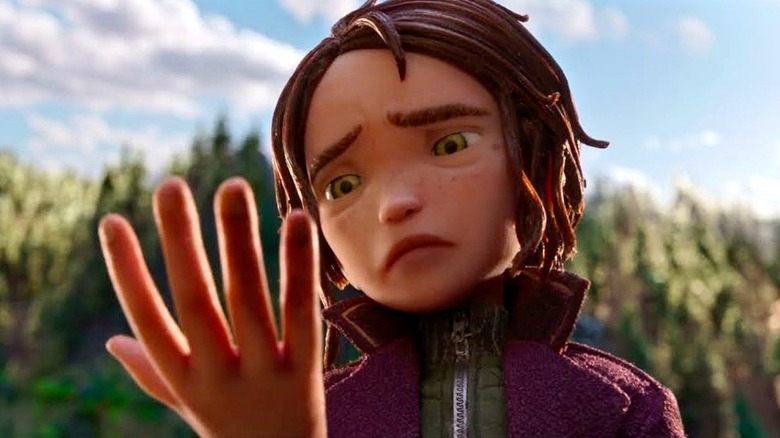
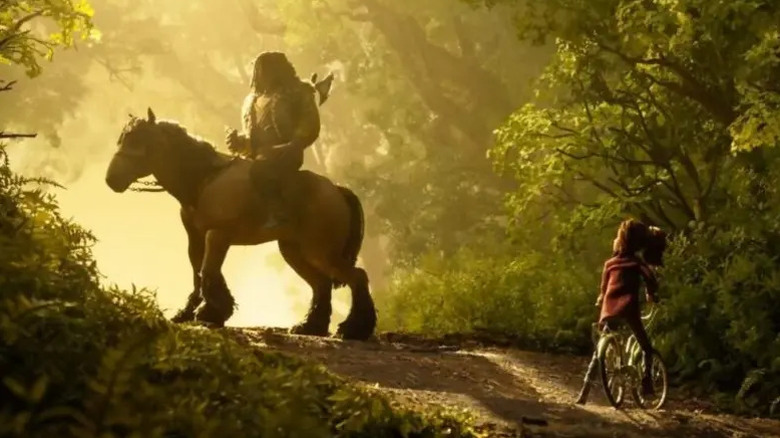
- The Medium: Unlike digital features where scenes can be rendered overnight, LAIKA’s animators capture frames one by one using physical puppets and miniature sets. Wildwood features intricate details—quivering plants, windblown leaves, and expressive characters—that give the frame a breathing, tactile quality.
- The Visuals: Cinematographer Caleb Deschanel brought his decades of live-action expertise to the production, ensuring that lighting, framing, and camera movement mimic the crisp, deliberate pacing of classic cinema rather than the sensory overload typical of modern family films.
- The Box Office and Critical Reception: Reviewers have widely praised the film for breaking away from the stale "chosen one" tropes popularized by post-Harry Potter young adult literature. Garnering a stellar 9 out of 10 rating from major outlets, Wildwood has been favorably compared to fantasy touchstones like Jim Henson’s The Dark Crystal and Philip Pullman’s His Dark Materials.
- Content Demographics: Rated PG-13 for sequences of violence, battle conflagrations featuring swords and bayonets, and dark thematic elements, Wildwood unapologetically targets a more mature audience than standard animated fare, leaning into the genuine horrors of war rather than sanitized, bloodless combat.
Official Responses and Creative Vision
Director Travis Knight and the creative team behind Wildwood have consistently emphasized their desire to push stop-motion animation into uncharted territory, both technically and narratively.
Speaking on the challenges of adapting Meloy’s densely layered novel, Knight focused on preserving the palpable sense of wonder that often gets lost in high-budget fantasy adaptations. "We wanted to create a world that feels alive, where the magic isn’t just a digital special effect, but something embedded in the moss, the trees, and the very fabric of the physical puppets," production notes indicate.
Authors Colin Meloy and Carson Ellis have expressed profound admiration for how LAIKA translated their written word and visual illustrations into three-dimensional space. By anchoring the fantastical elements in a meticulously recreated Portland—complete with nods to local landmarks like Powell’s Books and Voodoo Donuts—the adaptation maintains an authentic emotional core.
Meanwhile, cast members like Carey Mulligan, who voices the formidable Dowager Governess Alexandra, have highlighted the unique intensity of working on a project where the physical environment feels just as menacing to the characters as it does to the actors portraying them.
Implications: Changing the Landscape of Modern Animation
Wildwood arrives at a critical juncture for the animation industry, carrying implications that extend far beyond its box office performance.
A Rebuke of Hyperkinetic CGI
For over two decades, animated features aimed at younger audiences have trended toward hyper-fast pacing, incessant wisecracks, and dense, computer-generated clutter designed to hold the attention of distracted viewers. Wildwood rejects this philosophy entirely. By leaning into the laborious, deliberate pacing of stop-motion, the film proves that audiences—both young and old—are starved for visual breathing room. Its success demonstrates that viewers can and will slow down to appreciate texture, shadow, and compositional beauty when a film trusts them to do so.
Redefining the PG-13 Animated Feature
Historically, American animation has struggled to break out of the "for kids only" box, with studios rarely greenlighting mature, dark fantasy narratives outside of niche anime imports. By earning a PG-13 rating for genuine peril, bloody battle sequences, and complex moral dilemmas involving child soldiers and political corruption, Wildwood expands the stylistic boundaries of what Western stop-motion can achieve. It paves the way for future storytellers to adapt darker, more folkloric source material without fearing commercial dilution.
Elevating Folk Horror and Pastoral Fantasy
In literary and cinematic circles, Wildwood bridges the gap between classic children’s adventure and atmospheric folk horror. By drawing inspiration from the eerie, mossy mysticism of Arthur Machen’s early 20th-century writings and the lyrical nature poetry of William Wordsworth, the film subverts the commercialized sheen of modern franchises. It reminds Hollywood that true fantasy does not require self-important mythology or endless sequel setups; it simply requires a distinct voice, meticulous artistry, and a healthy respect for the unknown.
