
Honoring a Legend: How the 2026 Street Fighter Movie Pays Tribute to Raul Julia’s Immortal M. Bison
Main Facts
The cinematic legacy of the Street Fighter franchise is inextricably linked to one monumental, star-studded performance: Raul Julia’s unforgettable turn as the despotic General M. Bison in the 1994 live-action adaptation directed by Steven E. de Souza. Despite the 1994 film’s polarizing critical reception, Julia’s magnetic, theatrical, and utterly committed portrayal remains universally adored. He famously took on the role while battling terminal stomach cancer, delivering a masterclass in scenery-chewing villainy that single-handedly elevated the project into cult-classic status.
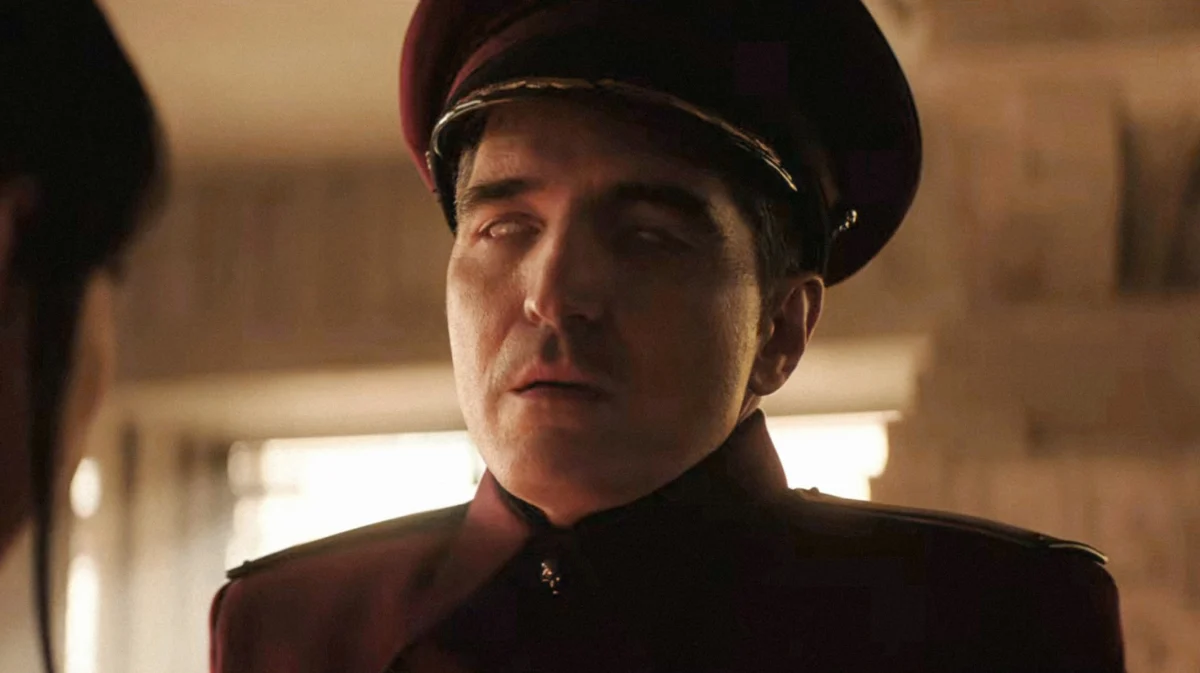
Now, over three decades later, director Kitao Sakurai’s 2026 Street Fighter live-action film breathes new life into the property while paying explicit homage to its cinematic roots. Starring David Dastmalchian as the iconic antagonist M. Bison and Callina Liang as the vengeful martial artist Chun-Li, the new feature incorporates at least two direct, carefully crafted nods to Julia’s definitive portrayal. These tributes span both visual Easter eggs—such as a grand, Napoleon-esque portrait mirroring the original film’s set design—and a modernized spin on one of the most quotable lines in action cinema history.
Chronology: From 1994’s Cult Classic to the 2026 Modern Adaptation
To understand the weight of the 2026 tributes, one must trace the historical timeline of the franchise’s cinematic iterations:
- December 1994: Universal Pictures releases the original live-action Street Fighter, starring Jean-Claude Van Damme as Colonel Guile and Raul Julia as M. Bison. It stands as Julia’s final feature film before his untimely passing in October 1994.
- Late 1990s – 2010s: Over the decades, Julia’s performance undergoes a cultural re-evaluation. What was once viewed by mainstream critics as campy cheese is celebrated by internet culture, trivia nerds, and cinephiles as a tour de force of committed acting, particularly his iconic "Tuesday" dialogue exchange with Ming-Na Wen’s Chun-Li.
- The Development Years: Paramount Pictures and other studios attempt various iterations to bring Capcom’s premier fighting game franchise back to the silver screen, eventually locking in a fresh creative vision led by director Kitao Sakurai.
- 2026: Kitao Sakurai’s Street Fighter hits theaters. Cast members include David Dastmalchian, who embraces the challenge of following in Julia’s massive footsteps by playing M. Bison with a chilling, calculated edge, alongside Callina Liang as Chun-Li. Critics and audiences immediately spot the film’s affectionate callbacks to the 1994 classic, cementing a bridge between the old guard of video game adaptations and modern cinema.
Supporting Data & Production Insights: Unpacking the Homages
The production design and script of the 2026 Street Fighter utilized specific creative choices to honor Julia’s memory without letting nostalgia completely overwhelm the narrative.
1. The Napoleon Complex Portrait
In the 1994 film, M. Bison’s headquarters are plastered with visual proof of his monumental ego, most notably a massive painting depicting the dictator styled after French military and political leader Napoleon Bonaparte.
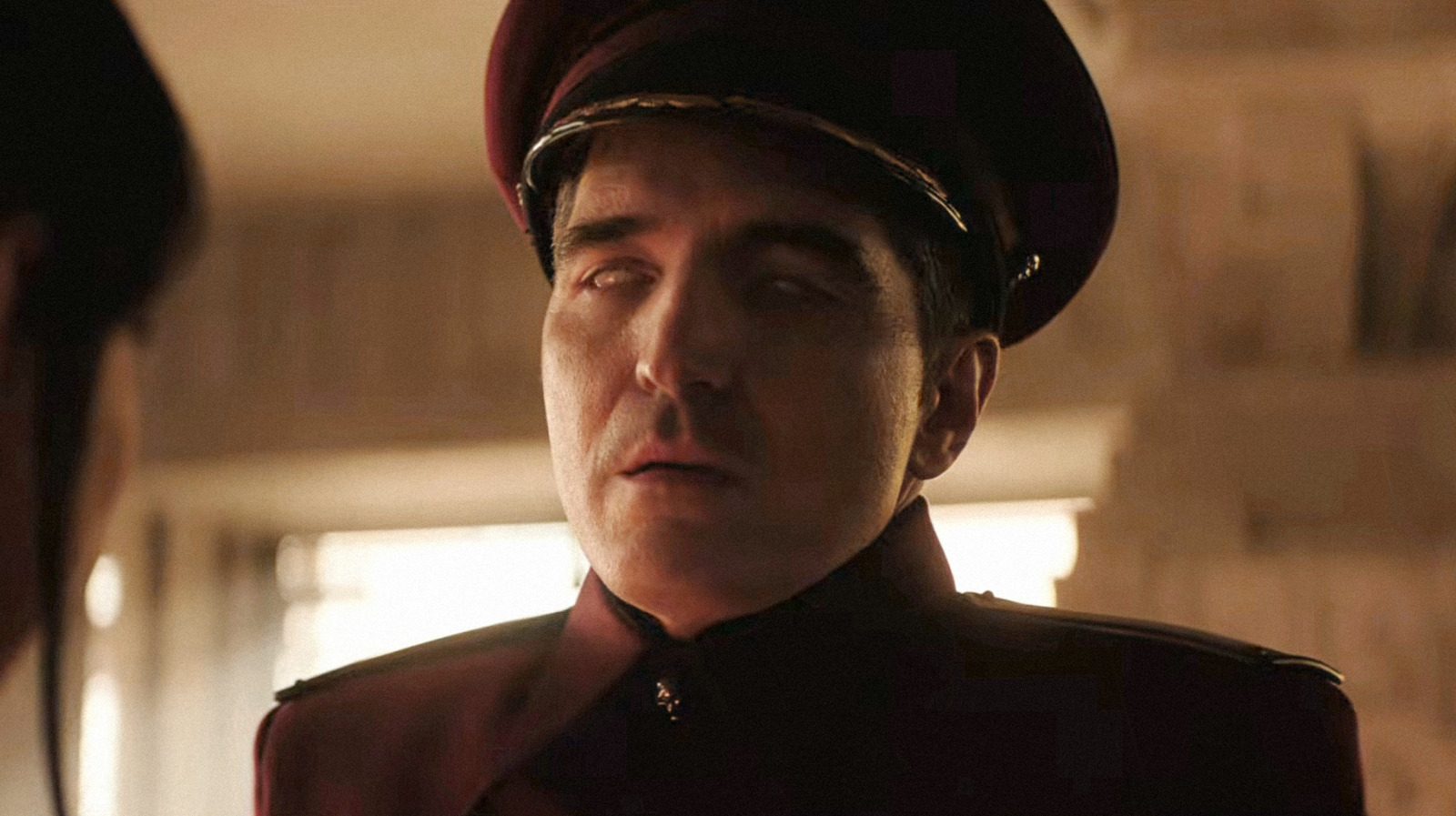
In the 2026 adaptation, production designers recreated a strikingly similar artistic tribute. Situated prominently inside Dastmalchian’s version of the Bison office, the painting serves as a silent narrative shorthand. It informs the audience immediately that this iteration of the character shares the same theatrical megalomania and grandiose self-image that Julia brought to the screen. When Chun-Li (Callina Liang) confronts Bison in this space, the art direction subtly reminds viewers that while the actor has changed, the psychological profile of pure, unadulterated hubris remains intact.
2. Evolution of the "Tuesday" Line
Perhaps the most famous piece of dialogue from the 1994 script—penned by action veteran Steven E. de Souza—occurs when Bison dismisses Chun-Li’s lifelong trauma over the destruction of her village and the murder of her father with the chilling line: "For you, the day Bison graced your village was the most important day of your life. But for me, it was Tuesday."
In the 2026 film, Sakurai and his writers modernize this moment during a high-stakes confrontation. After overpowering Chun-Li in combat, a victorious Bison prepares to leave her behind to pursue broader global objectives. Instead of letting her go with a standard cinematic threat, Dastmalchian’s Bison delivers a direct line-read nod:
"For you, today is the day that you die. But for me … it’s Tuesday."
While slightly altered in poetic structure, the intent is unmistakable. It highlights the vast, terrifying chasm between the personal tragedy of the hero and the mundane, industrial-scale cruelty of the villain.
Official Responses and Creative Intent
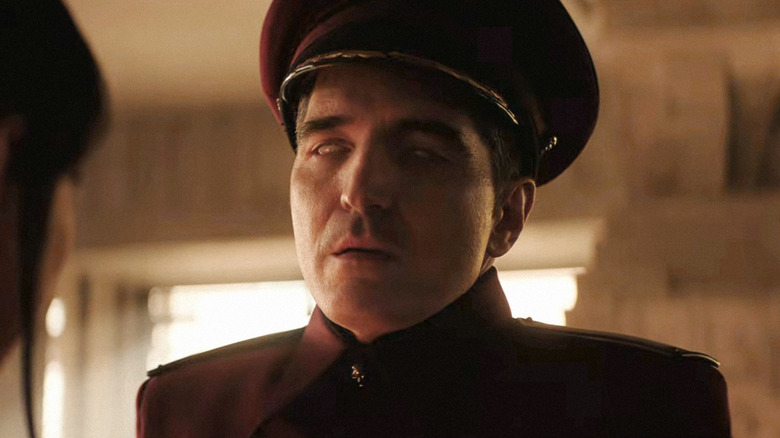
The creative team behind the 2026 film has been vocal about the reverence they hold for the franchise’s cinematic past. Speaking on the integration of these Easter eggs, director Kitao Sakurai noted that any attempt to bring Street Fighter to live-action without acknowledging Raul Julia would feel incomplete.
"You simply cannot touch M. Bison without paying respects to the titan who defined him for cinematic audiences," production insiders shared regarding the development process. "Raul Julia turned a video game villain into Shakespearean theater. David Dastmalchian understood that assignment completely, and these nods are love letters from one generation of cinema lovers to another."
David Dastmalchian, known for his dynamic supporting and villainous turns in blockbuster franchises like The Dark Knight, The Suicide Squad, and Dune, approached the role with a blend of original interpretation and deep respect. Rather than attempting a direct impersonation of Julia—which would be an impossible task—Dastmalchian funneled Julia’s signature cold arrogance into a fresh, modern performance style, ensuring the homages felt earned rather than gimmicky.
Implications for the Street Fighter Cinematic Universe
The inclusion of these deliberate tributes carries significant implications for the future of video game adaptations in Hollywood:
- Embracing Cinematic History: For years, early video game adaptations from the 1990s (such as Super Mario Bros., Double Dragon, and the 1994 Street Fighter) were swept under the rug by studios attempting to reboot properties. The 2026 film proves that these campy predecessors can be celebrated rather than discarded, transforming historical baggage into nostalgic capital.
- Elevating Video Game Villains: Julia’s performance proved that comic-book and video game antagonists require theatricality, conviction, and emotional weight to truly resonate. By leaning into these lessons, modern adaptations are encouraged to let their villains be larger-than-life instead of washing them out with grim-dark realism.
- Fan Engagement and Cultural Memory: Easter eggs like the Napoleon painting and the "Tuesday" line do more than trigger cheap applause; they act as a connective tissue uniting multi-generational fan bases. Parents who grew up watching Julia chew the scenery in 1994 can now sit in theaters alongside their children, sharing an appreciation for a cinematic icon who continues to command the screen long after his final bow.
Ultimately, while iterations of Street Fighter will continue to evolve on the big screen through new actors and modern visual effects, Raul Julia’s M. Bison remains the undisputed gold standard—and the 2026 film ensures that his legendary spirit will never be forgotten.
