
The Man Behind the Mask: Todd Stashwick’s Calculated Arrival in Marvel’s ‘VisionQuest’
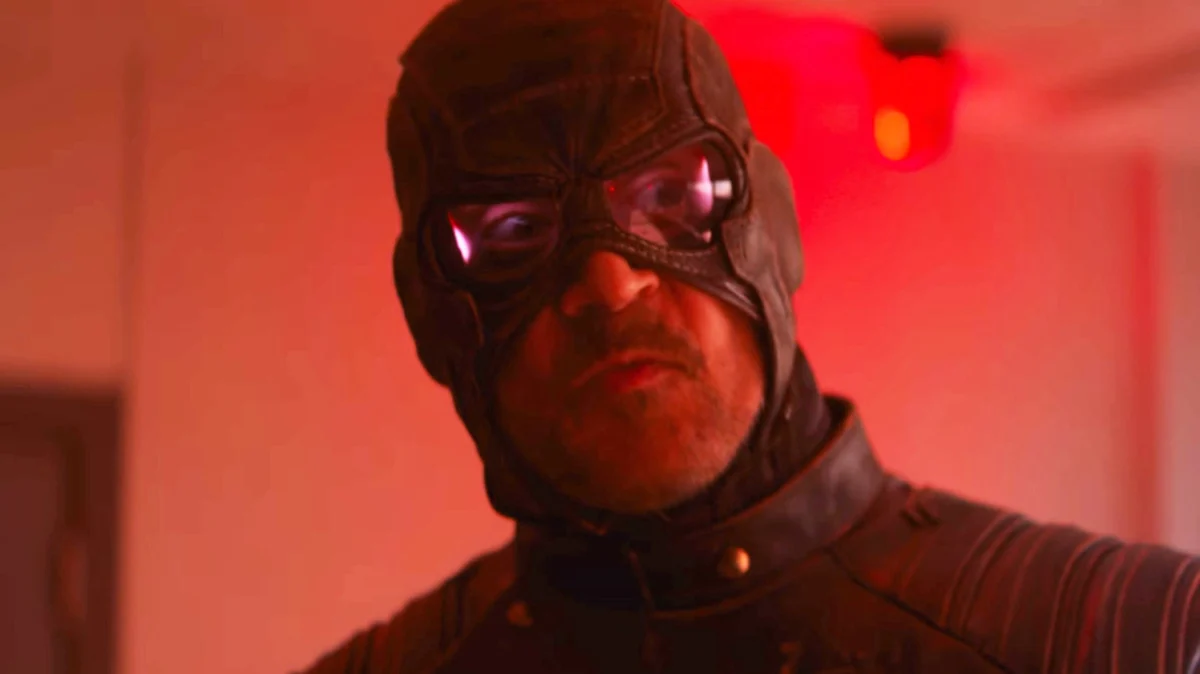
The Marvel Cinematic Universe (MCU) has long been defined by its ability to weave disparate threads into a tapestry of interconnected storytelling. With the debut of VisionQuest, the franchise has reached a new narrative high point, effectively acting as the final piece of an unofficial trilogy that includes the groundbreaking WandaVision and the mystical Agatha All Along. Among the show’s many revelations, perhaps none is as compelling—or as mysterious—as the introduction of Paladin, the relentless mercenary tasked with hunting down the titular android. Portrayed with cold, calculated precision by veteran character actor Todd Stashwick, Paladin has quickly become the series’ breakout antagonist.
The Narrative Landscape of VisionQuest
VisionQuest is more than just a standard superhero procedural; it is a profound meditation on the nature of consciousness and grief. The series picks up the existential baton dropped by Avengers: Age of Ultron, providing a necessary, poignant epilogue to the destructive legacy of the titular villain. As noted in critical reviews, the series masterfully balances the "shiny superhero patina" of two rival robots—Vision and Ultron—with a deeply human story about the power of connection and the burden of parenthood.
The show succeeds by populating its world with the "leftovers" of Stark Industries. Beyond the central conflict, the series highlights a fascinating ensemble of AI personalities, including Orla Brady’s F.R.I.D.A.Y., James D’Arcy’s J.A.R.V.I.S., and Emily Hampshire’s E.D.I.T.H. Yet, amidst these familiar digital voices, Paladin stands out as an anomaly—a biological force of nature in a world of circuits and code.
The Enigma of Paladin
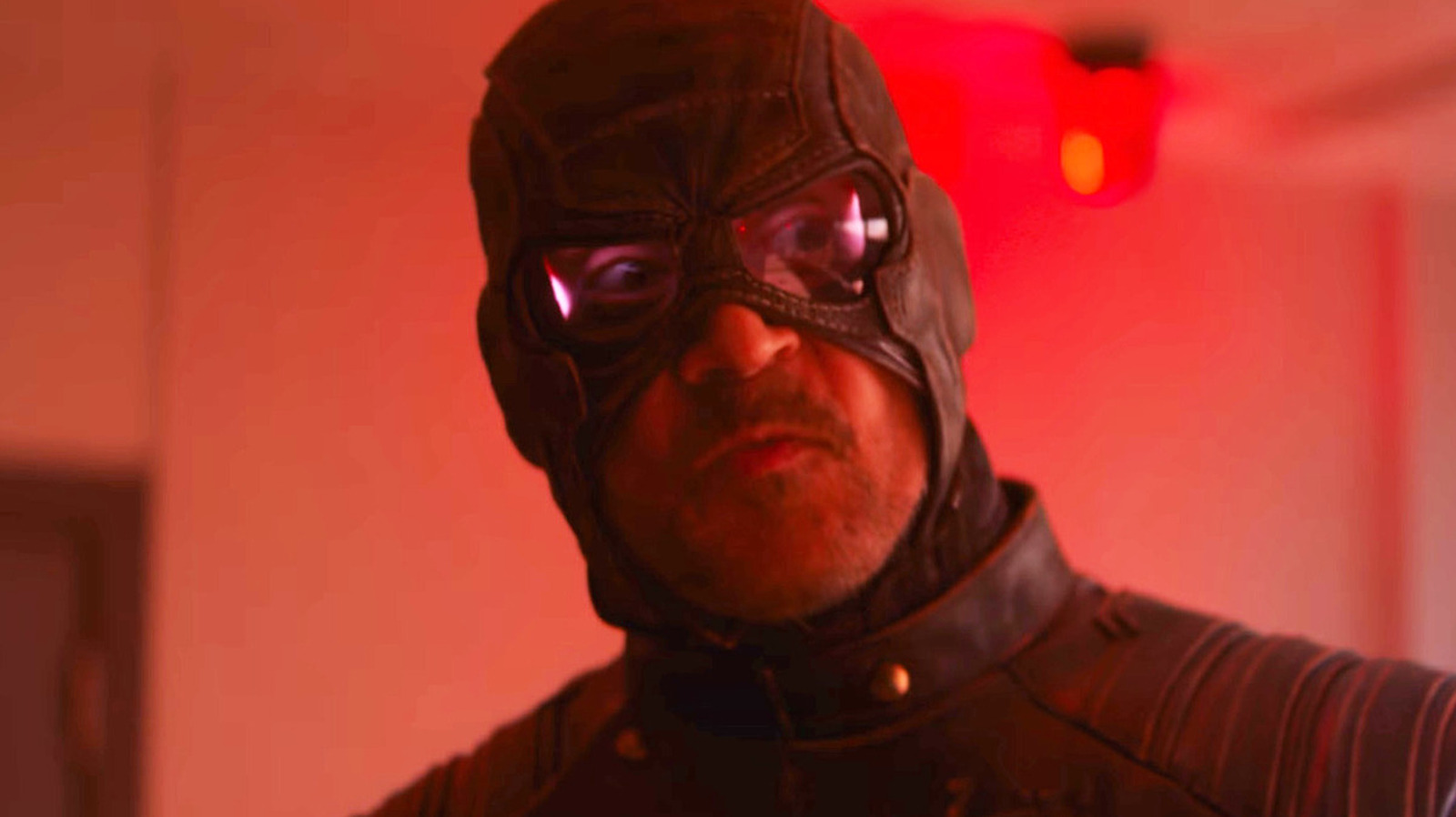
Paladin is not merely a henchman; he is an enigma. As a mercenary, he represents a tradition—a mantle passed down through generations—which suggests a depth of lore that the MCU has only begun to scratch. His arrival in VisionQuest serves as a narrative catalyst, forcing Vision to confront not only his past as an Avengers project but also his current fragility.
The intrigue surrounding Paladin is heightened by the secrecy of his employer. The series hints that the individual—or entity—behind the mercenary’s contract may hold the keys to the future of the MCU. By positioning Stashwick’s character as a hunter, the writers have created a ticking clock that adds a layer of suspense to every episode, moving the series away from traditional "save the world" stakes and into the realm of a high-stakes, cat-and-mouse thriller.
A Career Built on Genre Excellence
While many viewers might be seeing Todd Stashwick in a Marvel project for the first time, his presence is the result of decades of honing his craft. Stashwick’s trajectory from small-screen work in the late 90s to his current position as a sought-after genre staple is a masterclass in professional endurance.
The Formative Years (1990s–2000s)
Stashwick’s early career was defined by versatility. Like many working actors of his generation, he cut his teeth on the procedural circuit, appearing in Law & Order and Spin City. However, he soon found his footing in the burgeoning world of speculative fiction. His appearances in Buffy the Vampire Slayer and its spin-off, Angel, established his ability to handle supernatural subject matter with the same gravity as grounded drama. This reliability made him a go-to choice for shows like Supernatural and Terminator: The Sarah Connor Chronicles, where he frequently brought an understated intensity to supporting roles.
The Superhero Pivot
Stashwick is part of an elite group of performers who have successfully navigated the divide between DC and Marvel. Before joining the MCU, he appeared in the stylized, gothic atmosphere of Gotham. This experience in the DC television ecosystem arguably prepared him for the complex, lore-heavy environment of VisionQuest. His ability to thrive in a "ludicrously fun" world while maintaining character integrity is precisely why he was selected to bring the stoic, dangerous Paladin to life.
The Matalas Connection: A Creative Symbiosis
A critical component of Stashwick’s success—and his casting in VisionQuest—is his long-standing partnership with showrunner Terry Matalas. This creative alliance has resulted in some of the most memorable character work in recent science fiction television.
Their collaboration on 12 Monkeys allowed Stashwick to explore the nuances of a complex antagonist, setting the stage for his work in the Star Trek universe. In Star Trek: Picard, Stashwick portrayed Captain Liam Shaw, a character that quickly became a fan favorite. Interestingly, Stashwick’s approach to Shaw was heavily inspired by Robert Shaw’s iconic performance as Quint in Jaws. Just as Quint was driven by a singular, obsessive need to hunt the great white shark, Captain Shaw was a man defined by his trauma and his rigid, uncompromising worldview.
When transitioning to the role of Paladin, Stashwick has brought that same "Jaws-inspired" intensity. Where Captain Shaw was an officer bound by Starfleet protocol, Paladin is a man bound by his contract—a shark in human skin, navigating the complex waters of the Marvel Cinematic Universe with a singular, terrifying focus.
Implications for the Future of the MCU
The inclusion of Paladin signals a shift in the MCU’s approach to antagonists. By utilizing a character who operates outside the traditional "world-ending threat" paradigm, Marvel is leaning into more grounded, personal stakes. The implications of this are significant:
- Narrative Scaling: By moving away from massive CGI battles to focus on the hunt between Vision and Paladin, the series allows for more character development and deeper thematic exploration.
- Legacy Characters: Paladin’s nature as a "mantle-based" hero/villain suggests that the MCU is looking to incorporate more legacy-based characters, potentially opening the door for further exploration of underground mercenary groups within the Marvel canon.
- The "Matalas Effect": The success of VisionQuest may lead to a more permanent shift in Marvel’s production philosophy, favoring showrunners with deep experience in long-form, serialized science fiction rather than those primarily focused on film-style blockbuster beats.
Official Responses and Behind-the-Scenes Insights
While Marvel Studios is notoriously tight-lipped regarding future plot points, early interviews with the production team suggest that Stashwick’s casting was non-negotiable. Matalas has frequently cited Stashwick’s ability to deliver "quiet menace" as the primary reason for his inclusion. In a landscape often dominated by grandstanding villains, Stashwick’s Paladin offers a breath of fresh air—a man of few words who communicates primarily through his lethal proficiency.
Critics have praised this choice, noting that Stashwick’s performance avoids the typical "villainous monologue" tropes, opting instead for a performance that feels lived-in and professional. For an actor who has spent decades in the trenches of television production, this role feels like a long-overdue spotlight on one of Hollywood’s most reliable, yet underrated, performers.
Conclusion: The Path Ahead
As VisionQuest continues to unfold on Disney+, the role of Paladin will undoubtedly evolve. Whether he serves as the primary obstacle for Vision or as a precursor to a larger, more dangerous force, Todd Stashwick has cemented his place in the Marvel pantheon. His journey from guest spots on Buffy to the center of an MCU series is a testament to the power of consistency and craft.
For fans of the series, the mystery of Paladin’s client remains the most tantalizing question of the season. Yet, regardless of the final reveal, the character is already a success. By grounding the fantastical elements of the MCU in the performance of an actor who understands the weight of a legacy, VisionQuest has proven that the most compelling conflicts are not always the ones that threaten the universe, but the ones that challenge the very nature of what it means to be human—or, in the case of Vision and his pursuer, what it means to be something more.
VisionQuest is currently streaming on Disney+.
